
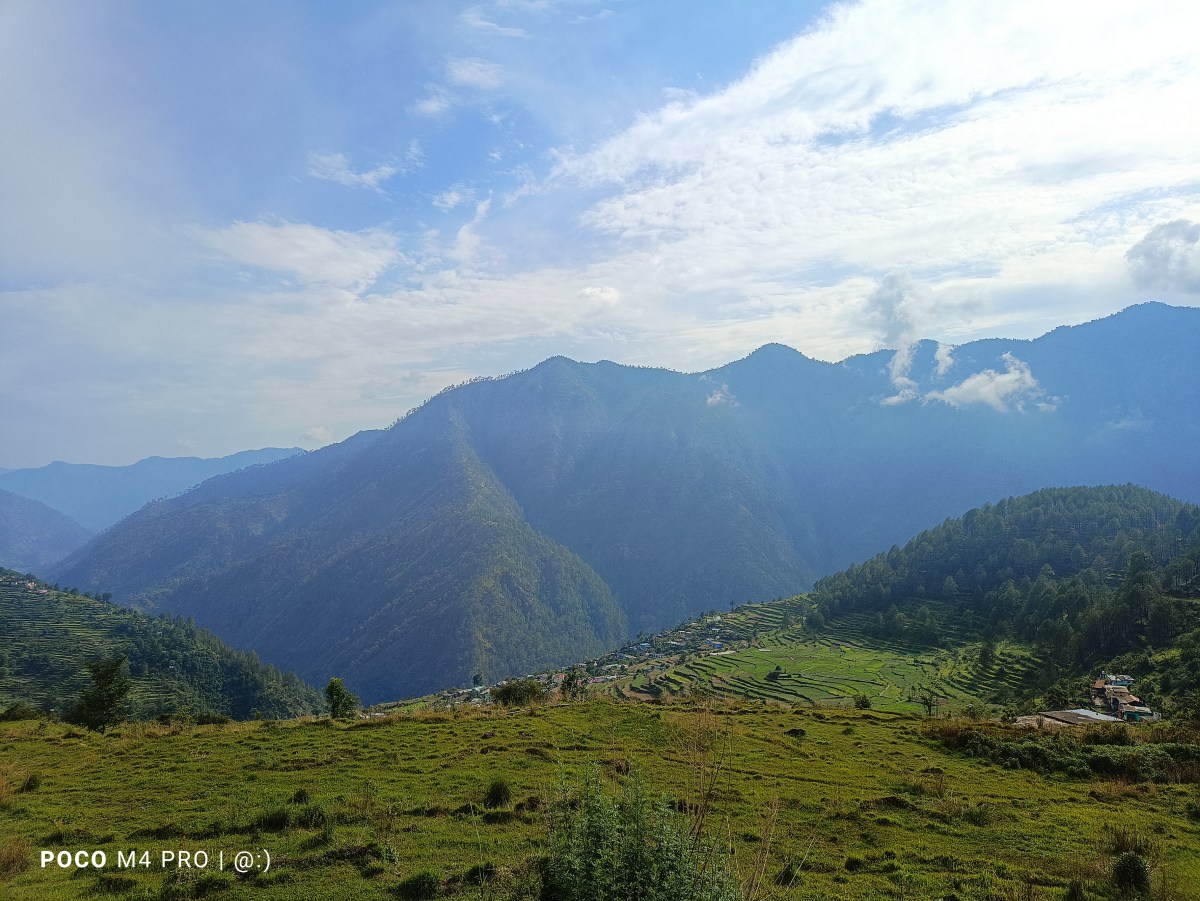
Here’s a small story from the hills of Uttarakhand.

For the past few months at my workplace in Uttarakhand, we had been facing recurring water shortages. Almost every month, the water supply would stop for four to five days. Our only reliable source was the pipeline connection. There is also a dhara (a natural spring), but reaching it means walking down steep paths and carrying heavy buckets back uphill. For daily needs, that is simply not practical.

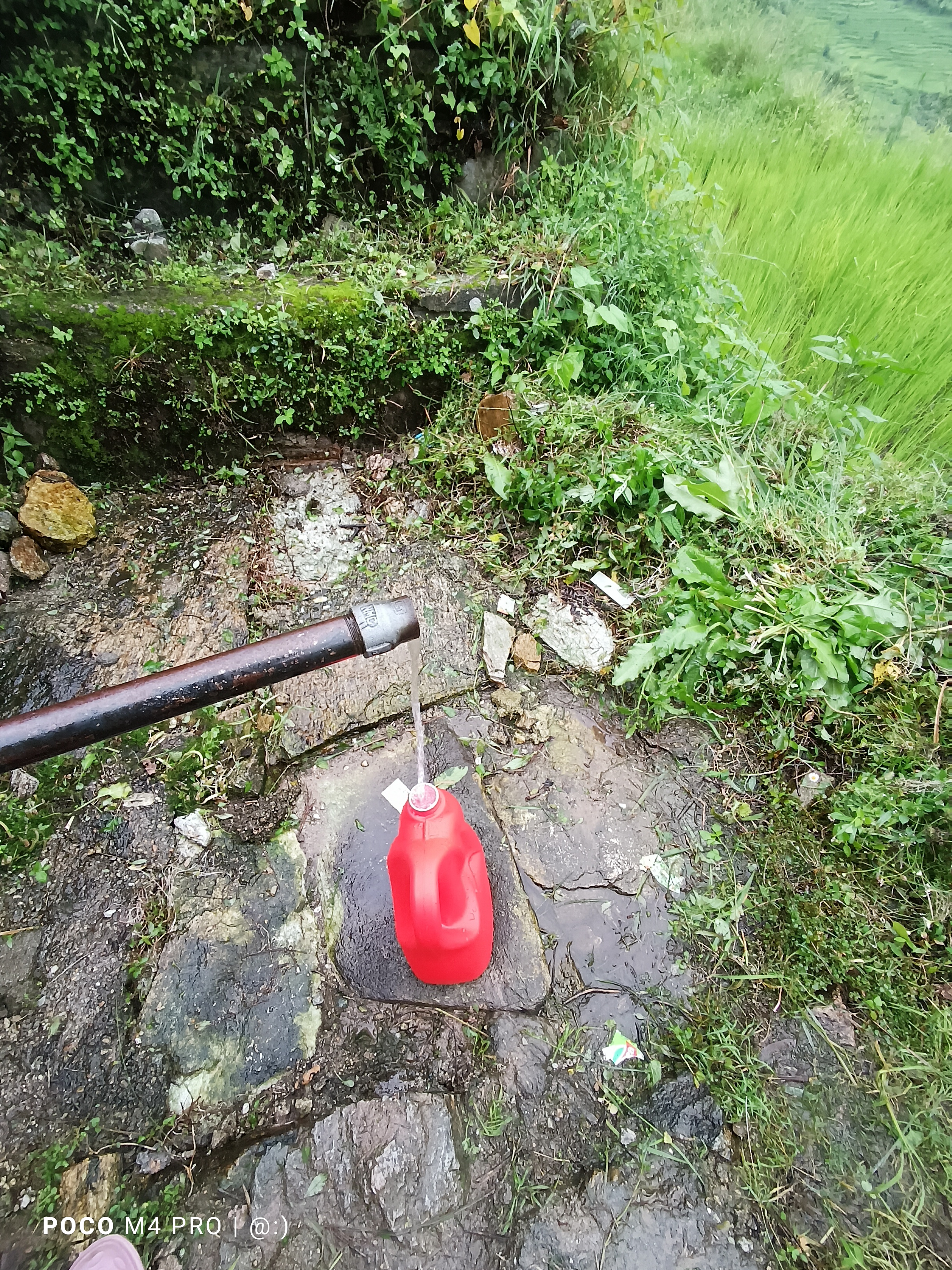
Recently, the issue resurfaced. For four consecutive days, there was no water. What initially feels like a minor inconvenience gradually becomes exhausting. Every small task from cooking to cleaning begins to revolve around water scarcity. You start calculating every drop. You begin planning your day around uncertainty.
On Saturday, 27th September, instead of waiting and assuming that “it will get fixed somehow,” I decided to take action. I contacted Uttarakhand Jal Sansthan and registered a complaint.
To my surprise, the complaint was officially recorded, and within just two hours, the local official responsible for water management called me personally. Soon after, the water supply was restored.
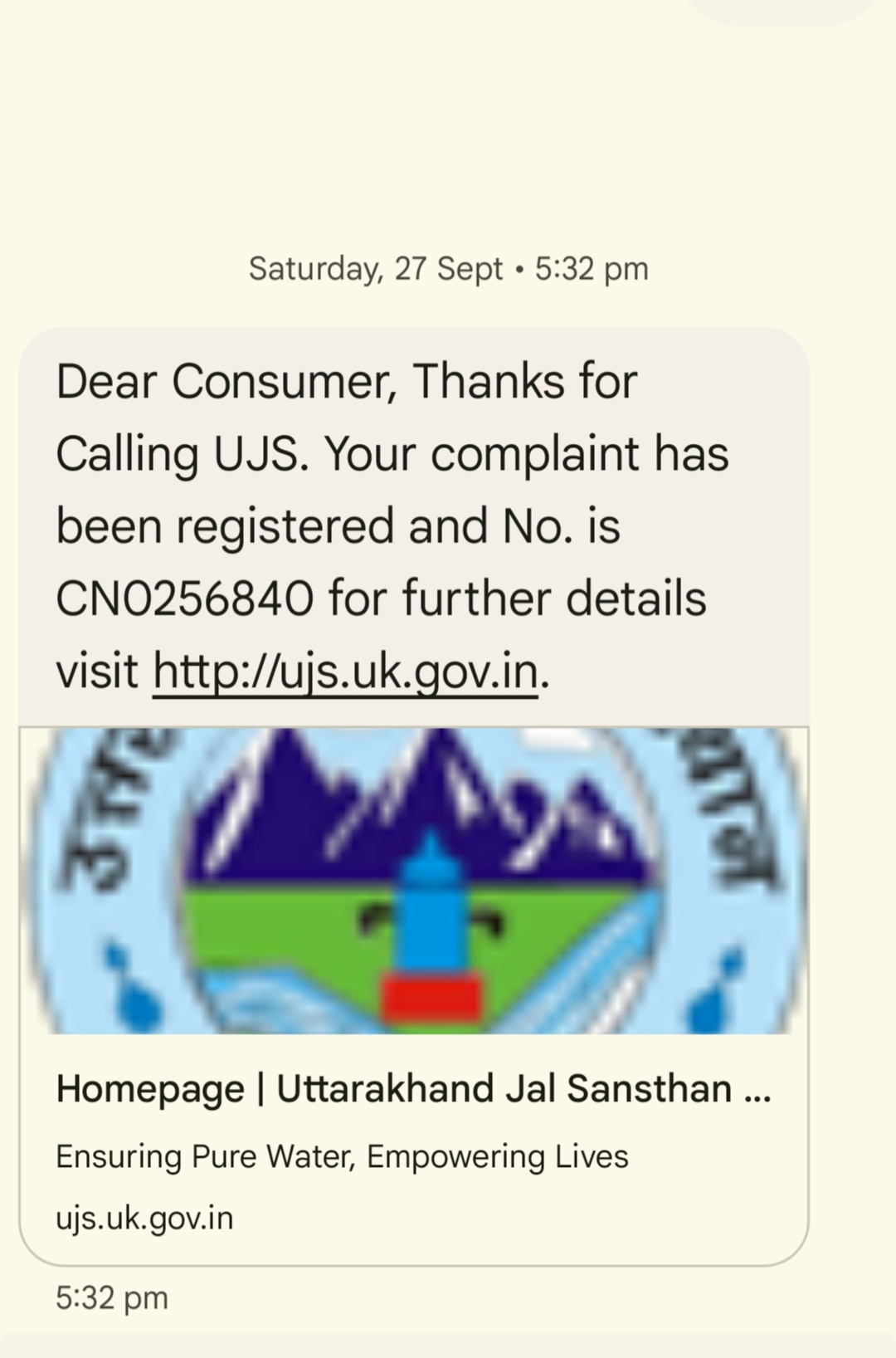
But what impressed me even more was what happened next. The following day, I received a follow-up call to confirm whether the supply was functioning properly. Not just action, but accountability. Not just resolution, but confirmation.
That moment made me pause.
We often speak about good governance in classrooms, policy discussions, seminars, and examinations. We debate transparency, efficiency, responsiveness, and citizen-centric administration. But sometimes, good governance is not a grand reform, a large-scale scheme, or a headline announcement.
This experience reminded me that governance works best when two sides participate: Institutions that respond and the Citizens who act.
In public policy discussions, we often emphasize structural reforms, budget allocations, and legislative frameworks. Yet at the grassroots level, what truly shapes people’s perception of the state is service delivery. Trust in governance is not built through speeches, but through everyday responsiveness.
Water flowing again through the pipeline may seem ordinary. Yet in that moment, it felt like a quiet example of the state functioning as it should.
Good governance is not merely a theory discussed in textbooks. It is a lived experience when institutions respond with efficiency, and citizens participate with awareness and initiative.

 iVolunteer Blog - everything about volunteering