“औरत देवी होती है…”
I have heard this line countless times growing up, in homes, in communities, in conversations that glorify women as symbols of strength, sacrifice, and purity.
But somewhere during my fieldwork as a Swar Fellow, I started questioning, “What happens when this same ‘devi’ does not fit into society’s expectations?” What happens when she makes a mistake, resists, or simply survives in ways that society does not approve of?
Does she still remain a “devi”?
Or does she become invisible?
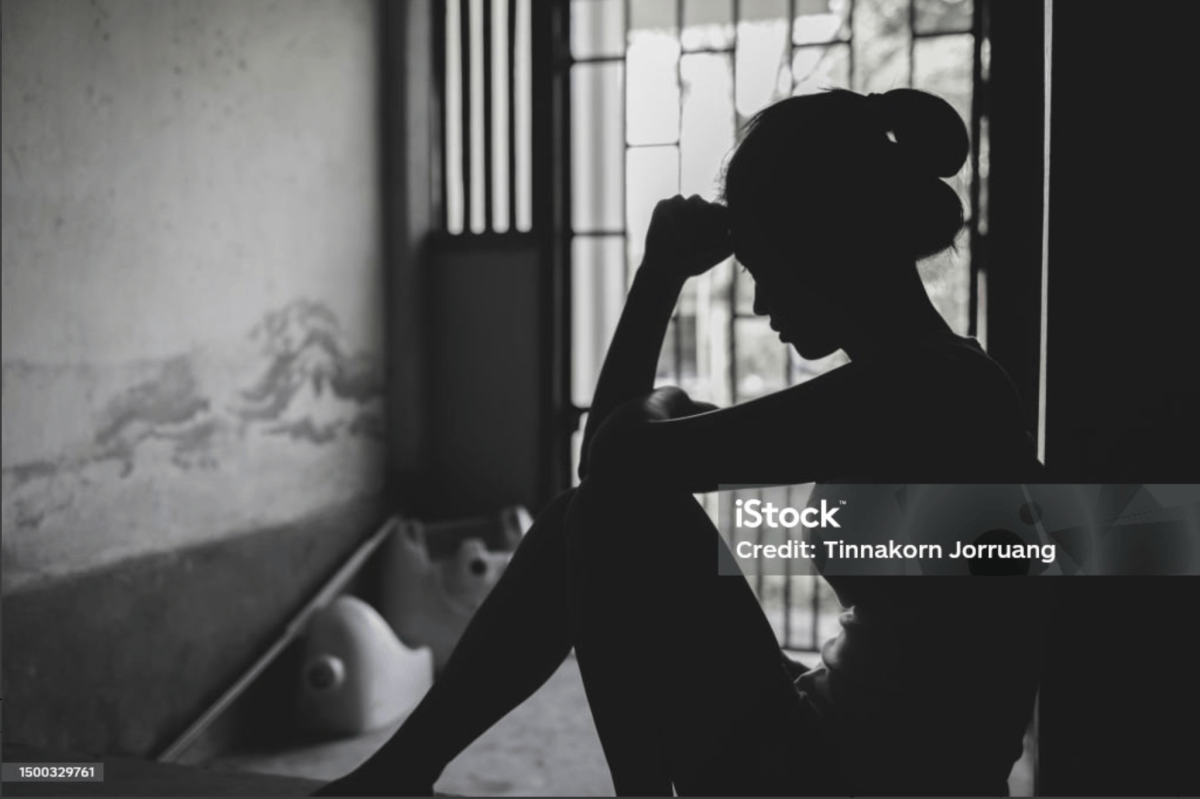
It is this question that led me to think about a group we rarely talk about women in prisons.
The Reality Behind the Labels
Women in prisons face what I would call triple marginalisation.
First, they are women in a deeply patriarchal society.
Second, they are individuals in conflict with the law.
And third, within the criminal justice system itself, they are a minority, often overlooked and underserved. This combination creates a situation where their struggles are not just legal, but deeply social and emotional.
Why Do Women End Up in Prison?
From what I’ve understood through my research and field exposure, women’s pathways to crime are often very different from men’s.
Many women come from economically weaker backgrounds. Their lives are shaped by dependency, lack of opportunities, and sometimes violence within their own homes. Crimes like theft or small property offences are often linked to survival.
In more serious cases, such as violence against husbands or family members, there is often a history of abuse, cruelty, or harassment behind the act. These are not just “crimes” in isolation—they are responses shaped by years of silence, suffering, and lack of support.
A System Not Designed for Women
Despite these realities, our prison system is largely not built keeping women in mind.
There are very few exclusive women’s prisons in India. Most women are housed in separate enclosures within general prisons designed for men. This creates serious challenges: Lack of privacy, Inadequate facilities for menstruation, pregnancy, and childcare, Limited access to female medical staff, poor mental health support
Even basic dignity becomes a struggle.
What disturbed me the most is the shortage of women staff in prisons and police. This raises serious concerns around safety, privacy, and even basic human rights.
The issues don’t stop at infrastructure. Women inmates often face: Neglect of their physical and mental health, Lack of trained and sensitive staff, Incidents of harassment and abuse. Many of these stories never come out. Fear, stigma, and power imbalance keep women silent. Even when research is conducted, access is restricted, and voices are filtered. This means we often don’t get to hear their real experiences.
Life After Prison: Another Battle
One thing that stayed with me deeply is what happens after women leave prison. Unlike men, women face much harsher social stigma. Society is less forgiving. Reintegration becomes difficult, families may reject them, communities may isolate them, and opportunities become scarce.
In many ways, their punishment doesn’t end with their sentence.
What Needs to Change?
Through this journey of learning, one thing is very clear to me:
We need to start humanising women in prisons.
They are not just “offenders.” They are individuals with stories, struggles, and circumstances.
As someone working at the grassroots, I see how systems and social norms shape women’s lives every day. The stories of women in prisons are not separate from the communities we work with, they are an extension of the same inequalities. If we truly believe in justice, it has to be compassionate, inclusive, and aware of gender realities. Because real change begins when we start seeing those who have been made invisible.
 iVolunteer Blog - everything about volunteering