Sometimes a simple conversation stays with you longer than you expect.
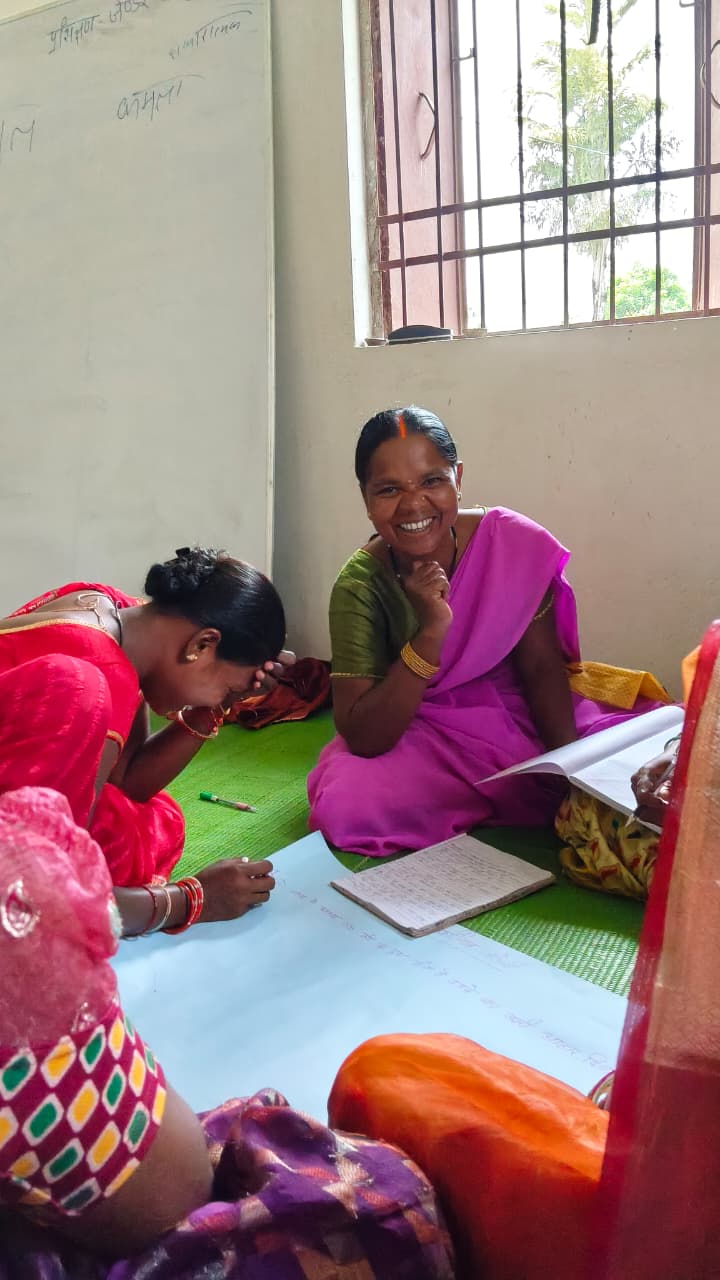
During one of my field interactions, a group discussion was happening around marriage and traditions. At one point, the girls in the room very confidently said something that felt hopeful. They said they do not believe in dowry and that this practice should not continue anymore. For them, marriage should begin with respect and understanding, not money.
It felt like a small but powerful moment, hearing young girls question something that has existed in our society for so long. But the conversation took an interesting turn. Almost instantly, some boys responded, “Okay, then if there will be no dowry, there should be no alimony either.”
For a moment, everyone just paused. That response made me think about something deeper. Are we, somewhere in our minds, treating dowry like a kind of security deposit for marriage? Almost like money given at the beginning of a partnership, and if the partnership fails, another financial conversation begins. But marriage is not supposed to work like a transaction.
Dowry has often been justified as tradition or support for the new couple, but in reality it has placed enormous pressure on the families of girls for generations. At the same time, alimony exists as a legal provision meant to ensure fairness and financial support when a marriage ends. Yet in everyday discussions, people sometimes talk about these two things as if they balance each other out.
That moment made me realise that the issue might be bigger than just dowry itself. Maybe it is also about the way we sometimes think about marriage, in terms of exchange, compensation, or financial security. If we truly want equality in relationships, then the goal should not be replacing one financial expectation with another. The real goal should be building partnerships where respect, responsibility, and independence matter more than any transaction. The girls who spoke up that day were doing something important. They were questioning a tradition that many people still accept without thinking.
And maybe real change always begins like this, with a conversation, a pause, and a question that makes everyone reflect a little deeper.
 iVolunteer Blog - everything about volunteering