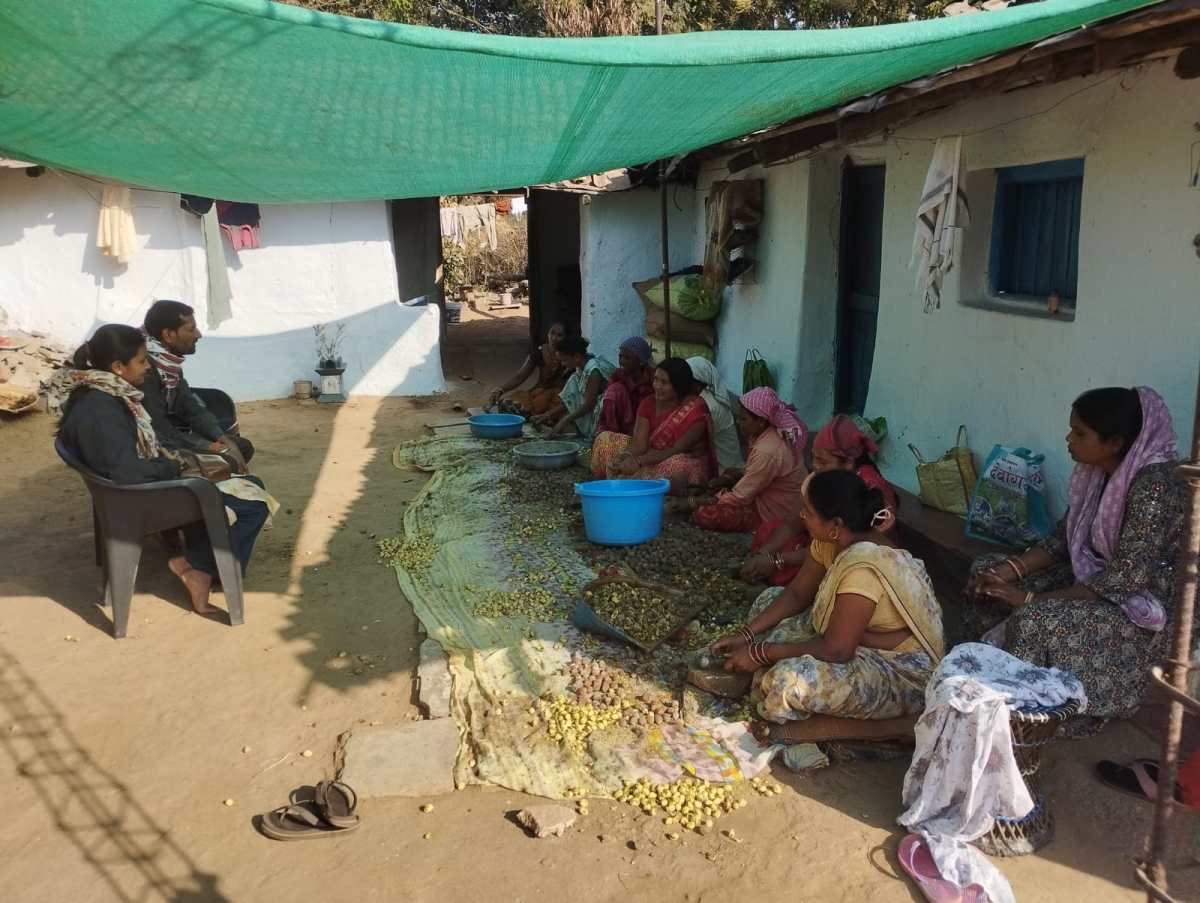
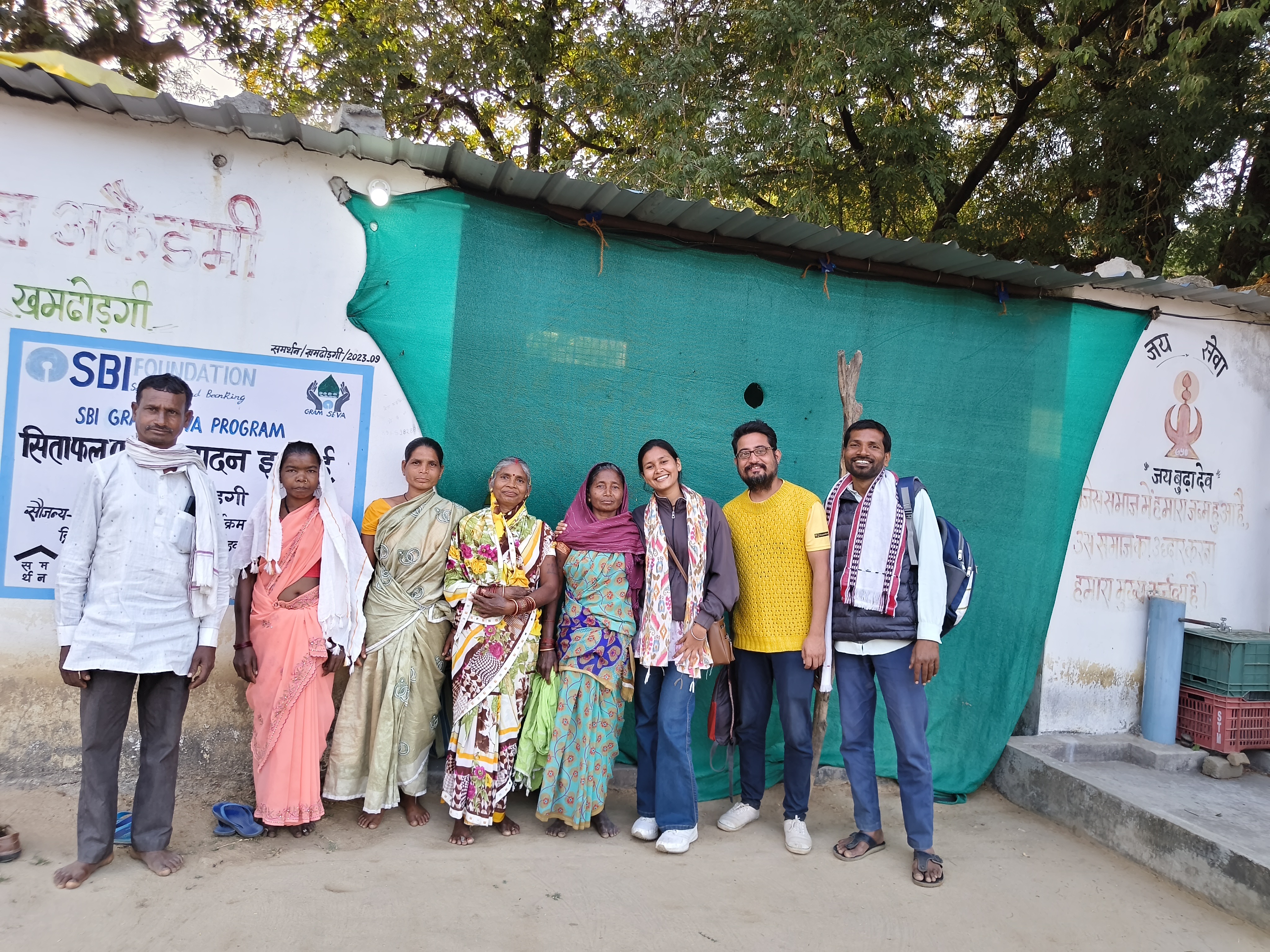
For a year long, I have been understanding the rural enterprises through conducting various Entrepreneurship Development Program (EDP) trainings among women where I talk about starting or growing a business, marketing and finances. I have been attending various exhibitions to understand the variety of products, their labelling, packaging and marketing strategies and learning deeply about their motivations behind the business. Here in this blog I’ll be writing about the significant challenges faced by rural women entrepreneurs.
In 3 EDP training that I conducted in Varabhgaon, Hivra and, Borisavargaon, overall 98 women attended the sessions or you can say partially attended as there were mid- way disruptions, some were burdened with the responsibilities of home others have to look at their farms, none of them own any or earn through the work they do. A few 25 among them did care about what was happening in the EDP training and brought their concerns to the table regarding their existing businesses or showed interest in beginning to earn their own livelihood. We will be structurally understanding a challenge through stages of business.
Challenge 1 :- Production stage.
Many women start their business not with the resources they naturally have but easily available to begin with. Many women buy raw material from weekly markets, in small quantities which means high costs. Let’s take for example a woman doing business of potato chips, but they tend to buy potatoes from the local market in small quantities at high prices. This would automatically increase their costs of production, which will be far ahead from their industrial competitors. The lack of quality consistency and standards in the products especially in the food processing sector gives rise to consumer apprehensions regarding product. Sometimes manual processing methods do not bring quantity production as demanded for the market or for any bulk orders. While we look for small enterprises in villages they generally revolve around the same themes, “aachar, papad, beauty Parlour etc”., Very rarely it is seen that they have understood the demand of the market.
Challenge 2: Packaging and Labelling
Even if the products met the quality and hygiene standards, and entrepreneurs have the capacity to serve the peak demands, they fall short in packaging and labelling. In business, we have saying, “what shows up, sells down”. In a world where thousands many variety of potato chips, packaging matters because that’s the first sign your products attract customers. This is something solved by pringles, not a packet but a cylindrical box, and the product despite its high price, its attractiveness and solutions for safe storage of chips at home added pringles to shopped bags. Figuring out the kind of packaging for different kind of products becomes challenging for rural enterprises. Even if they figure out the packaging, again figuring out vendor at reasonable prices becomes challenging. Here also, low production quantities increases packaging costs affecting per unit cost. Once packaging is decided, it’s branding and labelling becomes challenging, in case of food products that require nutrient label, shelf life labels etc. women entrepreneurs struggles to get this cost intensive test done, and figure out what needs to go into their packaging.
Challenge 3 : Marketing and selling, access and linkages.
Production and packaging can still be figured out but the business that begins with limited market knowledge and accessibility suffers from slow growth. Many rural women entrepreneurs begin small scale business as a source of livelihood. The only selling channels for rural women entrepreneurs is their village, and local town market and some exhibitions if they are associated with some non-profit organisations. The approach they follow is to make door to door visits to get orders and then supply them, this increases the costs. They lack operational skills and tools for hassle free selling and marketing and are usually constrained by social restrictions limiting their mobility beyond their village territory. Lack of confidence and skills of negotiation and persuasion forbids them to establish B2B contracts.
Challenge 4 : Access to Seed Fund
The another major challenge that rural women entrepreneurs face is access to seed fund to begin something of their own. The farm in which they put their major labour does not earn them the money needed. Understanding the rural circumstances, getting money for setting up a small business from family is a an unexpected grace. Talking of agents who can lend money, like moneylenders, banks etc., is an hardcore no from women because of low risk taking abilities, documentations and social constructs. The only way she can lend or save money from is through self help groups at a very low interest rate of 1%. This government initiative has played a huge role in budding rural women collectives, entreprises etc. But again the operationality of these SHGs in various regions is of question mark. The another way to obtain seed fund is through NGOs functioning in their region through micro-credit schemes at no or low interest rates.
Challenge 5: Understanding the motivations
Frankly speaking, non-government organisations has played a major role in empowering women to begin with small scale startups and supported them throughout by providing them training, helping them access finance and market through exhibitions, supported them in production and motivations to begin. But deeply reflecting over livelihood initiatives pushed by NGOs and CSRs, the major question that pops up is about sustainability and ownership of such initiatives. Need analysis by the orgnaisations and need realisation by the community are tow different sides of a coin. The ownership, sustainability and impact comes from bringing both sides to a common plate. Many of these initiatives run for 2 years as the project timeline is short, and the focus of all the stakeholders is to bring maximum tangible output in 2 years. For eg., lac value chain project in Chattissgarh began with great enthusiasm, but became inoperational after the project period gets over. Talking about production associated challenges mentioned before, like lack of innovation, comes focusing more on building infrastructure than capacity. It easy delivering solar based papad making machine, sewing machine and lot much than providing them market skills and platform. Majority of rural women entrepreneurs begins through motivations brought by external parties rather than driven by internal self for doing business.
As a learning enthusiast especially in the field of livelihoods and enterprises, I am open to share case studies behind what i mentioned above and a some of the entrepreneurial success stories, do comment if you find this relevant.
 iVolunteer Blog - everything about volunteering