
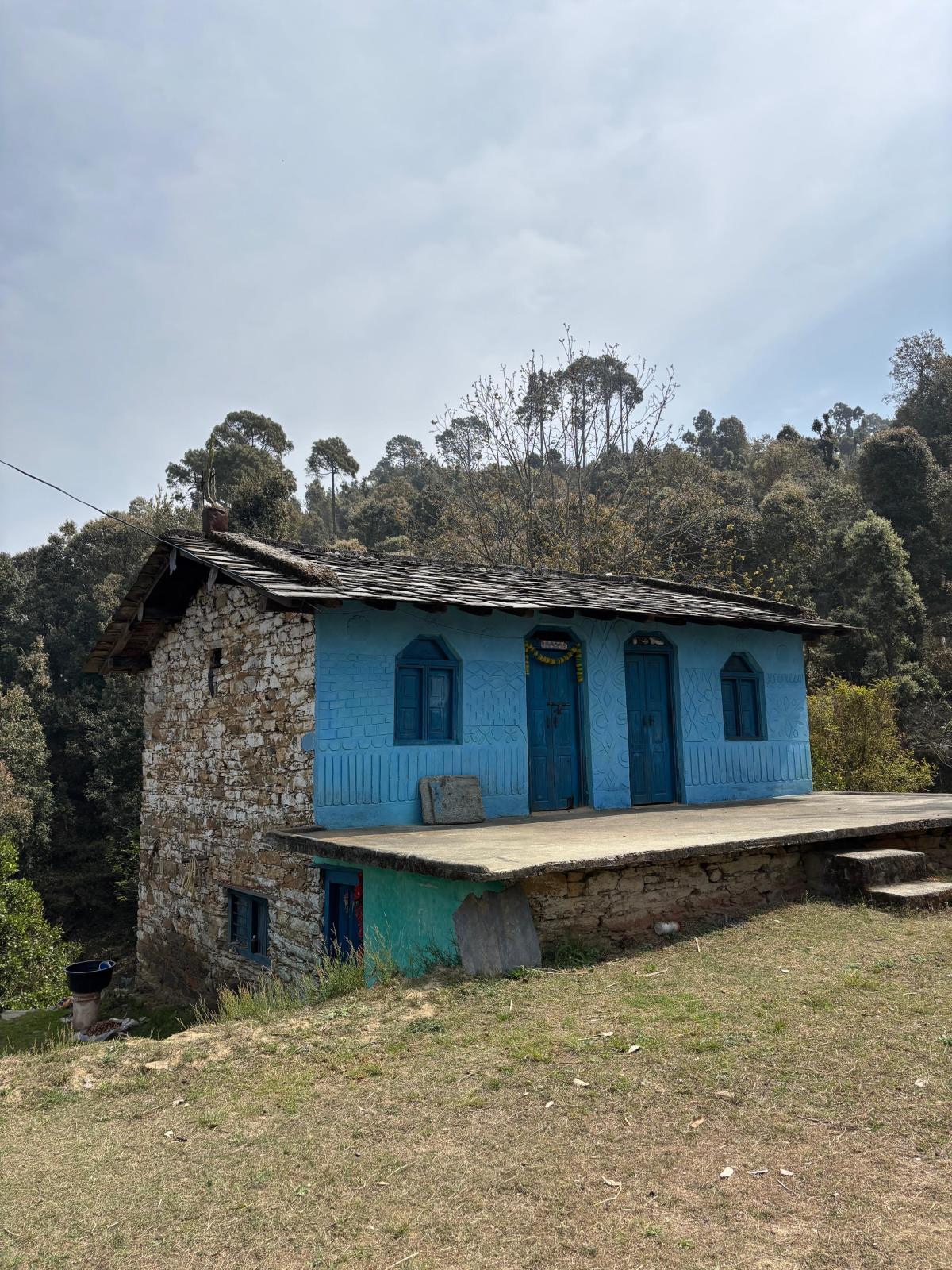
In the quiet villages of Uttarakhand, there is a silence that wasn’t always there. It is not the peaceful silence of the hills, but one shaped by absence of young voices, of bustling activity, of lives that have slowly moved away. Migration has become a defining reality of the state, especially across regions like Kumaon and Garhwal, where young people are steadily leaving their native villages in search of better opportunities.
For many, this movement begins within the state itself. Youth from remote villages often migrate to nearby towns or district headquarters for education or employment. Over time, this movement extends beyond Uttarakhand to larger cities, where opportunities appear more diverse and secure. What starts as a temporary shift for studies or work often turns into a permanent relocation, as returning home offers limited prospects for growth and stability.
This migration is not a choice made lightly, but one shaped by necessity. Limited access to higher education, lack of employment opportunities, and inadequate infrastructure in rural areas push young people to look elsewhere. Agriculture, once the backbone of rural livelihoods, is no longer seen as a viable or aspirational option. With small landholdings, unpredictable weather conditions, and low economic returns, it struggles to retain the younger generation. As a result, education becomes both a pathway and a reason to leave, with many students moving out at an early age and gradually building their lives away from their villages.
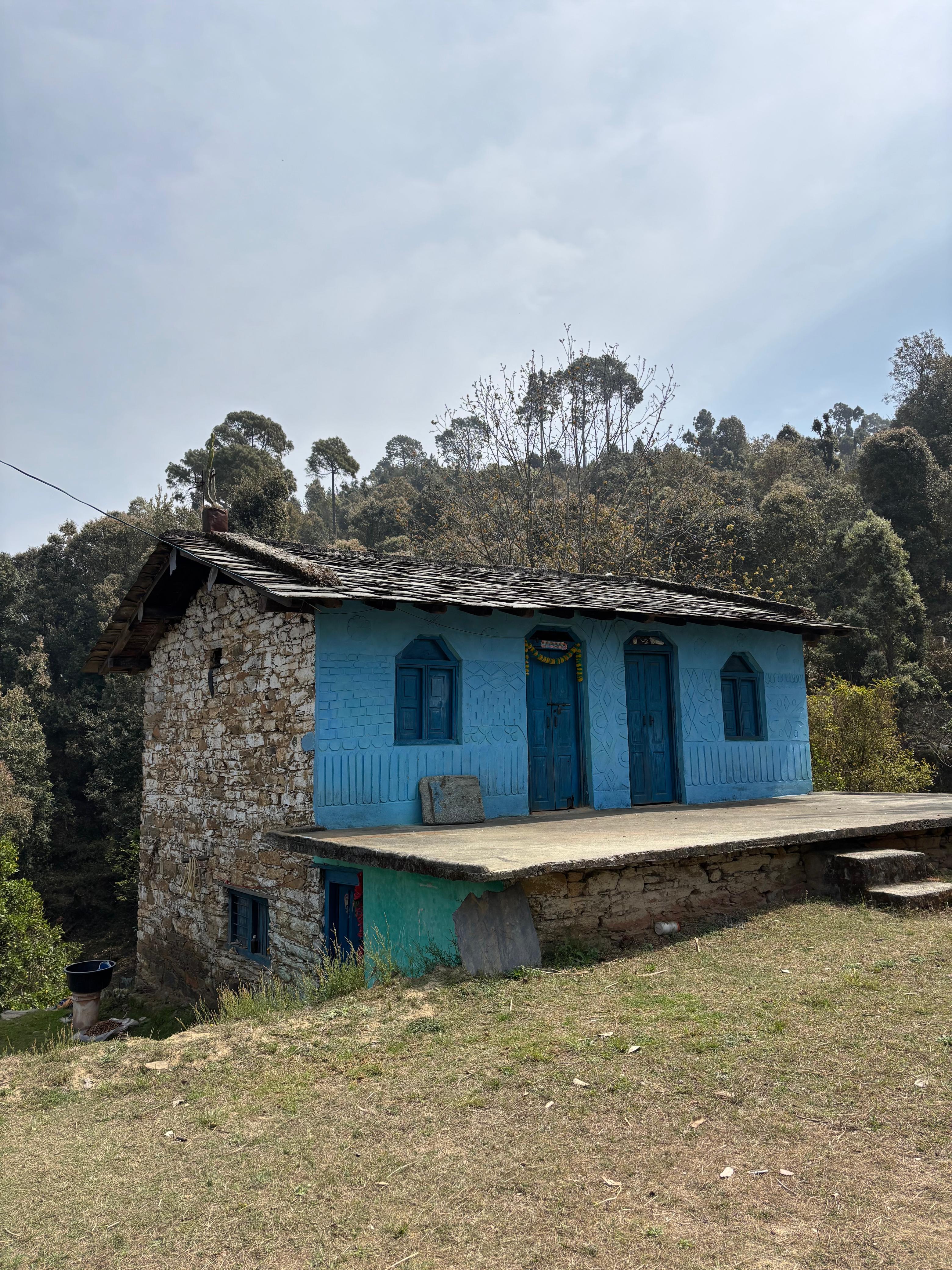
The impact of this ongoing migration is visible in multiple ways. Agriculture is among the most affected sectors, as fewer young people remain to work on the land. Farming is increasingly left to the elderly, or in many cases, abandoned altogether. This not only weakens local food systems but also leads to the gradual loss of traditional agricultural knowledge and practices that have been sustained for generations. Villages themselves are changing, with many homes locked for most of the year, creating what are often referred to as “ghost villages.” The social fabric of these communities weakens as populations shrink, and cultural traditions begin to fade.
Alongside these changes, there is also a growing disconnect between youth and their roots. As young people settle into urban environments, their relationship with their native place shifts. What was once a lived experience becomes something more distant – visited occasionally, remembered more than actively engaged with. This loss of connection is not always intentional, but it reflects the realities of adapting to new spaces and opportunities.
At the same time, migration is not entirely negative. For many families, it brings financial stability, exposure, and access to opportunities that would otherwise remain out of reach. Remittances play an important role in supporting households back home, and migration can open new pathways for individuals and communities alike. The issue, therefore, is not migration itself, but the imbalance it creates when a significant portion of the youth leaves without adequate opportunities to return or remain.
This imbalance leads to uneven development, where urban areas continue to grow while rural regions experience decline. Addressing this challenge requires creating conditions where migration becomes a matter of choice rather than compulsion. Strengthening local economies, improving the viability of agriculture, promoting small-scale enterprises, and expanding access to quality education and skill development within rural areas can help bridge this gap. Equally important is reimagining rural life as dignified and full of possibility, so that staying back is seen as a viable and meaningful option.
Migration in Uttarakhand ultimately reflects both aspiration and constraint. It speaks of the desire for better opportunities, but also highlights the gaps that exist within the system. The hills are not just geographical spaces; they are homes, histories, and identities. Preserving them requires not preventing migration, but ensuring that leaving is not the only path available.
 iVolunteer Blog - everything about volunteering