
Introduction
For centuries, farmers have relied on a simple but effective practice: saving seeds from one harvest and planting it in the next season. Thus in many farming communities, the idea of saving seeds is not new. Farmers selected seeds from the healthiest plants, gradually developing crop varieties that were well suited to the local climate, soil conditions, and dietary preferences. This practice ensured continuity, preserved crop varieties suited to local conditions, and reduced dependence on external inputs such as having to purchase seeds from the market. However, over the past few decades, agriculture has increasingly shifted toward commercially produced seeds and high-yield hybrid varieties. Although these have contributed to increased production in many areas, they have also led to the gradual decline of traditional seed-saving practices. As farmers began purchasing seeds every season, many locally adapted varieties slowly disappeared from cultivation. As traditional varieties gradually disappeared, so did an important layer of agricultural resilience.
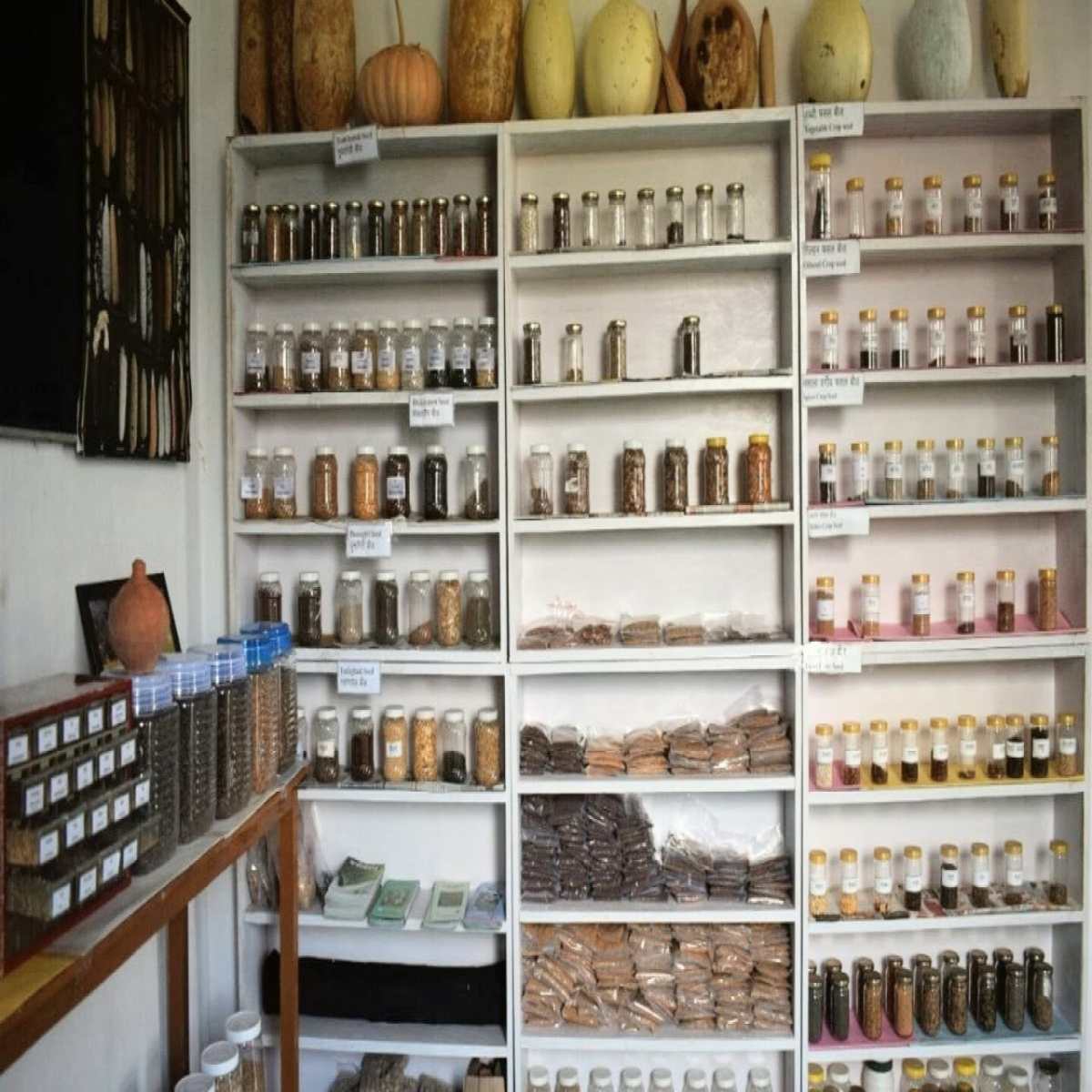
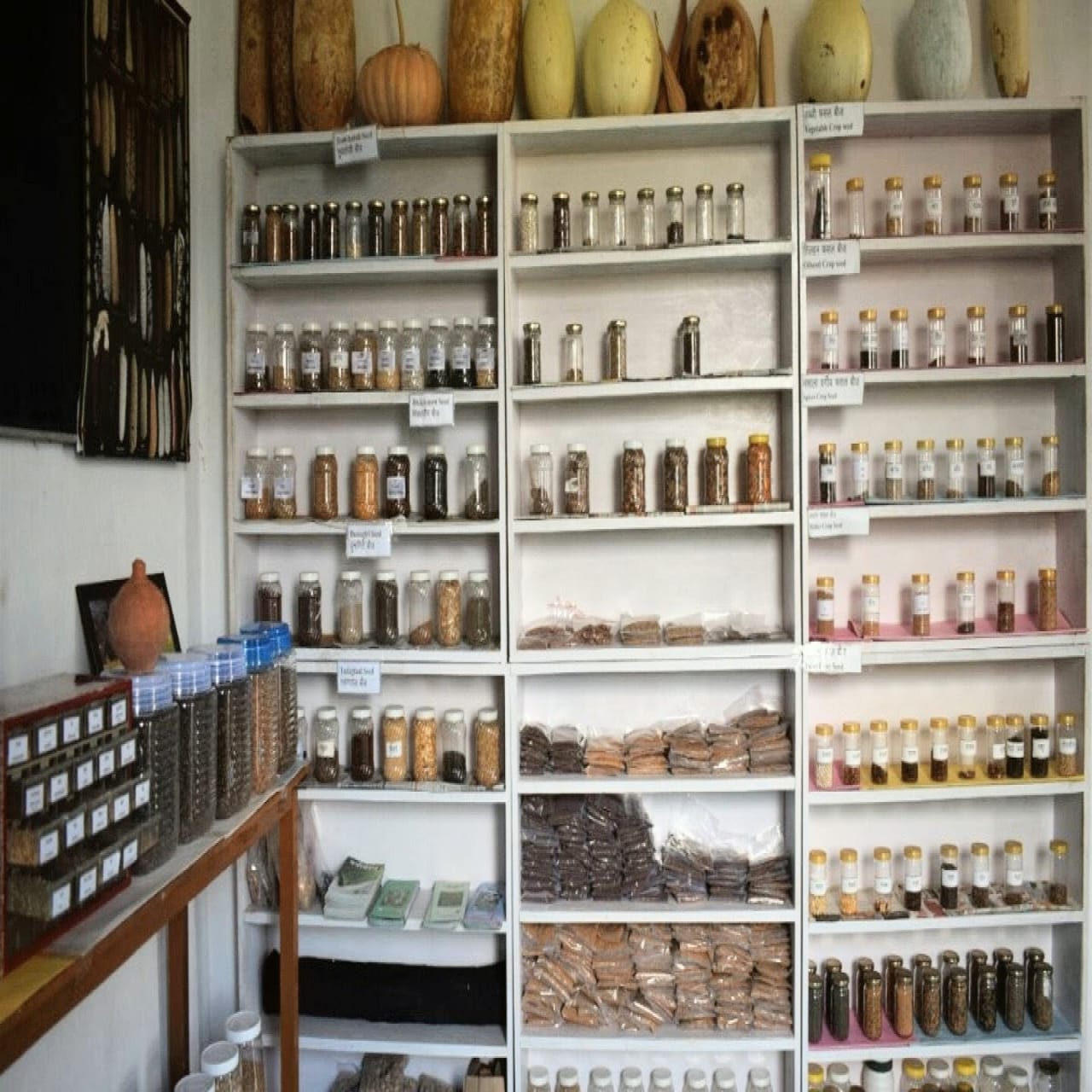
In light of this concern, the concept of seed banks has gained importance. Thus these seed banks aim to preserve seeds, protect agricultural diversity, and ensure that communities maintain access to locally adapted crops. I have also read a few articles online and browsed AI on seed banks so that I could write some theoretical notes on the same. My fellowship organization, INHERE, has their own seed bank – which made writing about it a bit easier.
What is a Seed Bank?
A seed bank is a facility or organised system for collecting, storing, and preserving seeds so that they can be used in future planting/sowing seasons.The purpose is to safeguard genetic diversity and ensure that seeds remain available even if crops fail, varieties disappear, or environmental conditions change.
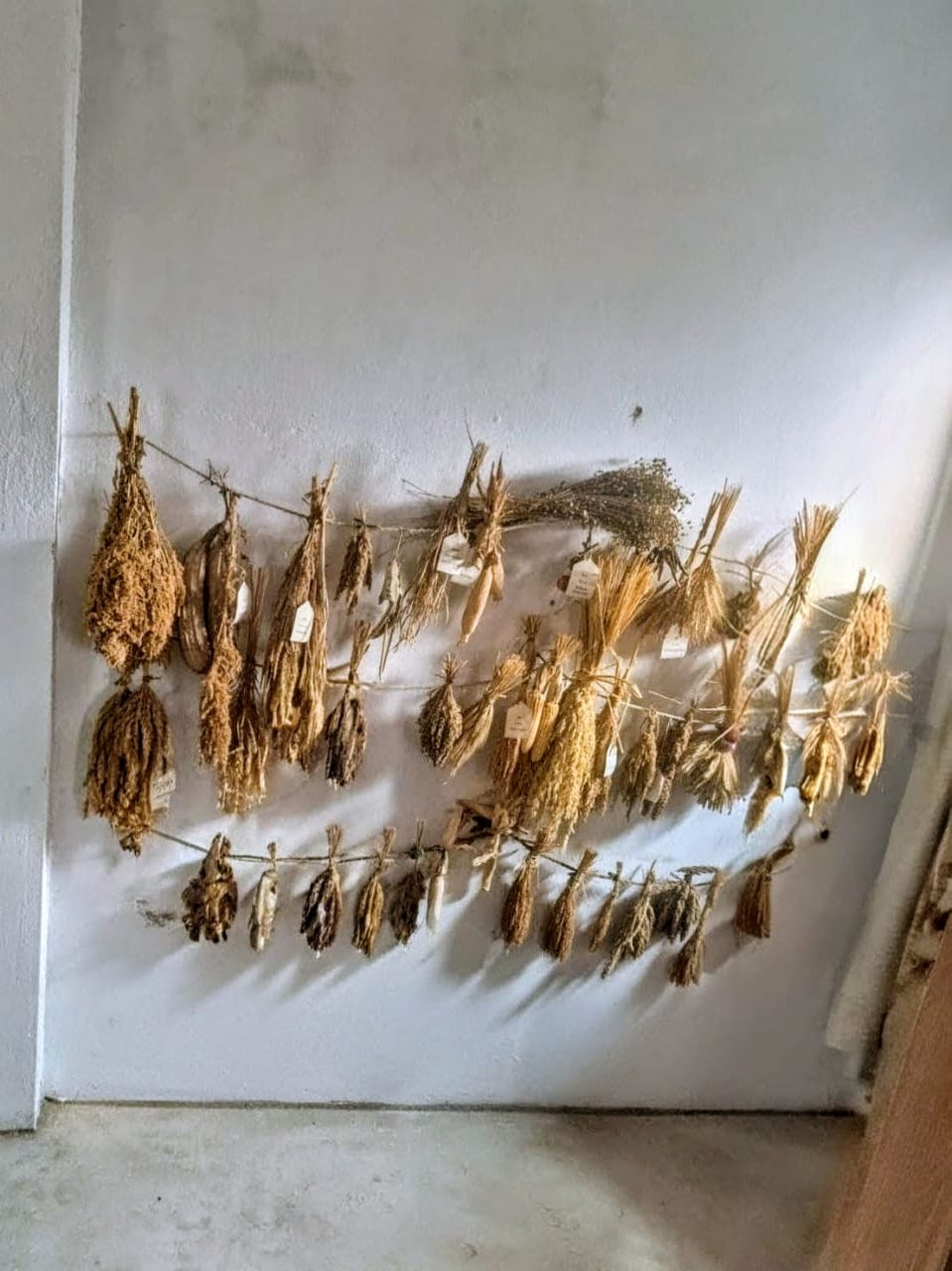
Seed banks can exist at multiple levels: Global seed banks, which preserve thousands of plant species for long-term conservation. National or Institutional seed banks, usually managed by research organizations, come next in order. This is followed by Community seed banks, maintained by farmer groups within villages. This is also where INHERE (my NGO) steps in – technically it’s a mix between an institutional seed bank and a community seed bank but I haven’t witnessed any ‘management’ by farmer groups as per how community seed banks are defined. In rural agricultural contexts, community seed banks are particularly important because they preserve locally adapted crop varieties that are often better suited to local soil, climate, and cultural food practices.
How Community Seed Banks Function
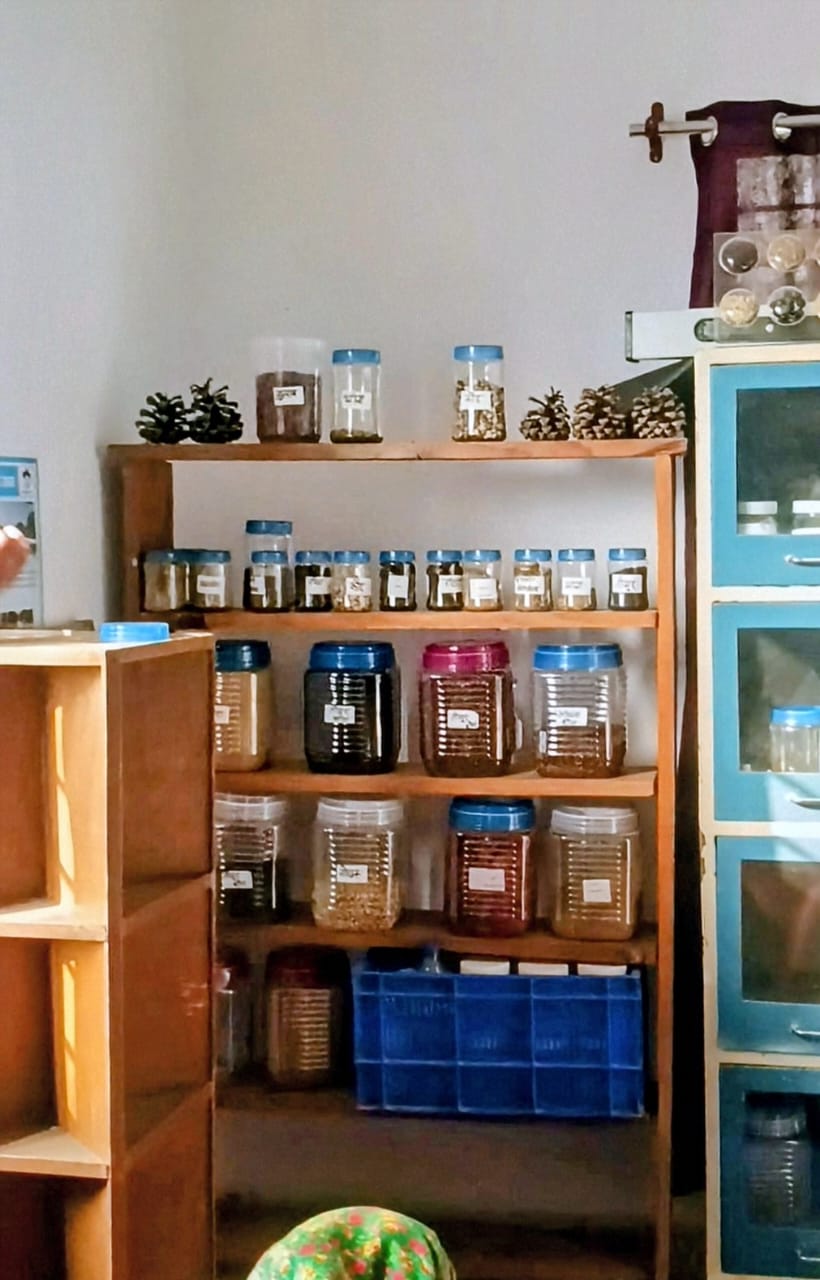
A typical community seed bank operates through collective participation. Let me elaborate; Farmers contribute seeds from their harvests to the seed bank by identifying and collecting seeds of traditional or locally important crop varieties. These seeds may come from their own farms or from neighbouring villages. The seeds are then carefully cleaned, dried, and sorted to remove damaged or unhealthy grains. It must be noted that proper storage is essential to maintain seed viability. Seeds are often stored in airtight containers, earthen pots, or specially designed storage bins that protect them from moisture, pests, and fungal growth. In some cases, simple traditional methods such as mixing seeds with ash or neem leaves are used to increase their shelf life – although that is not done at INHERE, as I’m told.
Once the seeds are stored, farmers can borrow seeds during the planting season. After harvesting the crop, they return the same variety of seeds to the seed bank, usually along with a small additional quantity. This ensures that the seed stock gradually increases over time and remains available for other farmers. Hence it works just like a bank – borrowing a principal amount and returning it with an additional interest. Through this system, the seed bank functions as a shared resource for the entire community and ensures that seeds remain circulating within the community rather than being lost over time.
Why Seed Banks Matter:
Lets now take a look at a few amongst the major reasons on why seed banks are necessary:
1. Preserving Agricultural Biodiversity
One of the most important functions of seed banks is the preservation of agricultural biodiversity. Over the years, modern agriculture has increasingly relied on a small number of high-yield crop varieties. While these varieties can be productive under favourable conditions, the widespread replacement of traditional crops has reduced the diversity of plants being cultivated. Traditional crop varieties often carry valuable traits that may not be present in commercial seeds – this is one of the prime reasons why traditional seeds are significant. Some seeds tolerate drought better, others may resist pests, and some may perform well in poor soils or at higher altitudes which is important in places such as the upper Himalayas of Uttarakhand. Losing these varieties means losing genetic traits that could be essential for future agriculture. Thus, seed banks help ensure that these varieties are preserved rather than permanently lost.
2. Supporting Climate Adaptation
Climate change has made weather patterns more unpredictable. I have written a blog on this. Farmers increasingly face irregular rainfall, unexpected temperature changes, and shifting seasonal cycles. Locally adapted seeds often perform better under these conditions because they have evolved over time within the local environment. Maintaining a diverse collection of seeds gives the farmers more options when dealing with changing climatic conditions. For example, if one variety performs poorly during a dry season, another variety stored in the seed bank may prove more suitable. In this way, seed banks act as an important tool for climate resilience.
3. Strengthening Farmer Independence
Commercial seeds are often purchased every season, particularly since hybrid varieties are available easily. This creates a dependency on external markets and can increase cultivation costs for farmers as most hybrid varieties are not designed to regenerate additional seeds. This ensures their repeated purchase. Community seed banks provide an alternative by ensuring that farmers have local access to seeds without recurring purchases. This reduces financial pressure and allows farmers to retain greater control over their farming systems. Additionally, farmers can experiment with different varieties without the risk of losing their investment, since the seeds come from a shared community resource.
4. Protecting Traditional Knowledge
Seeds are closely connected to traditional agricultural knowledge. Farmers have historically developed specific methods for cultivating, harvesting, and storing different varieties. They also understand which crops perform best in particular soils or under certain climatic conditions. When traditional seeds disappear, this knowledge often disappears along with them. Seed banks help preserve both the seeds themselves and the knowledge associated with them. In many cases, seed banks also encourage intergenerational knowledge transfer. Older farmers share their experiences with younger members of the community, ensuring that local agricultural wisdom continues to be passed down.
5. Supporting Food Security
Seed availability is a critical factor in ensuring that farming can continue after disruptions such as crop failures, natural disasters, or economic shocks. Natural disasters are especially common in states such as Uttarakhand. By maintaining a reserve of viable seeds, communities are better prepared to recover quickly and continue agricultural production. Loss of a specific seed type also means the loss of specific nutritional quality and thus in this sense, seed banks act as a safeguard for long-term food as well as nutritional security.
6. Platform for Learning
Seed banks often become more than just storage spaces. They can also serve as learning platforms where farmers exchange experiences, compare crop performance, and experiment with different varieties. Through these interactions, farmers gain a deeper understanding of their crops and strengthen their capacity to adapt to changing agricultural conditions.
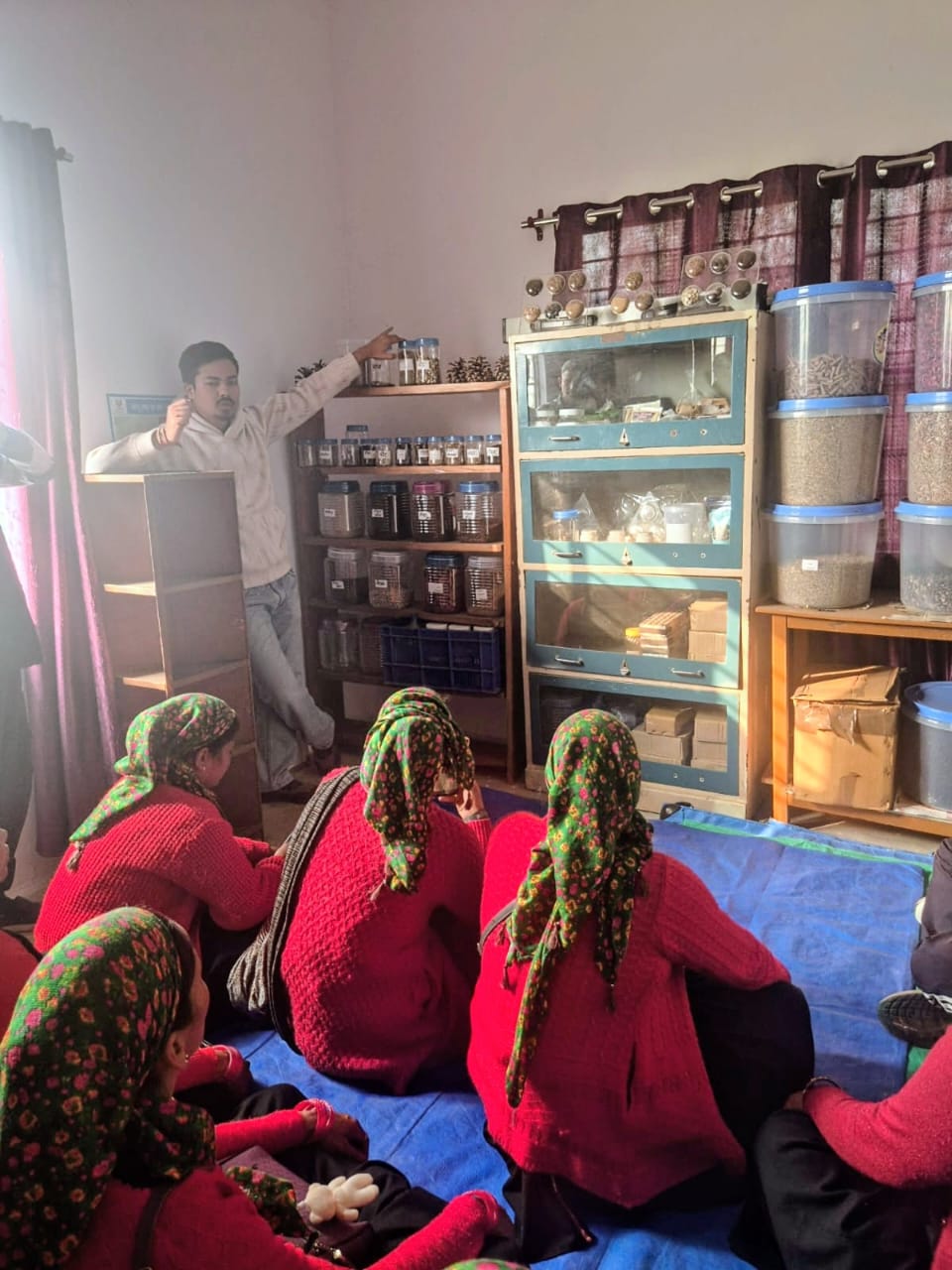
Another crucial element to seed banks is how they preserve and dispense knowledge. During the session conducted at a school in Bharadisain on ‘Reviving millet culture, traditions and consumption’ amongst grade 11 students – I realized how most students haven’t seen varieties of millets (other than Jhangora and Madua) or other traditional crops in person/up close. This shows how there exists a decline in agricultural knowledge and the absence of youth involvement in the sector. I believe schools should conduct a periodic visit to such institutional or community based seed banks to ensure that the upcoming generation remains in touch with traditional crop varieties – at least to know what these regional traditional crops look like – and the stories and knowledge embedded within these seeds.
Challenges in Maintaining Seed Banks
Despite their many benefits, seed banks require careful management. Seeds must be regularly monitored to ensure they remain viable. If stored for too long without being cultivated, their germination capacity may decline. To prevent this, many seed banks follow a process called seed regeneration, where seeds are periodically planted and new seeds are collected for storage. This maintains the quality of the seed stock.
Effective record keeping, proper storage conditions, active participation from farmers, continuous cycle of saving, sharing, and regenerating seeds are all essential for sustaining the system.
Conclusion
Seed banks represent a powerful yet simple approach to strengthening agricultural systems. By preserving traditional crop varieties and ensuring that seeds remain accessible to farmers, they help protect biodiversity, support climate resilience, and maintain local food systems. In a time when agriculture faces increasing environmental and economic challenges, seed banks offer communities a way to safeguard their resources while maintaining control over their farming practices.
Ultimately, the concept of a seed bank reflects a simple but powerful idea: protecting the seeds of today in order to secure the harvests of tomorrow.
 iVolunteer Blog - everything about volunteering