
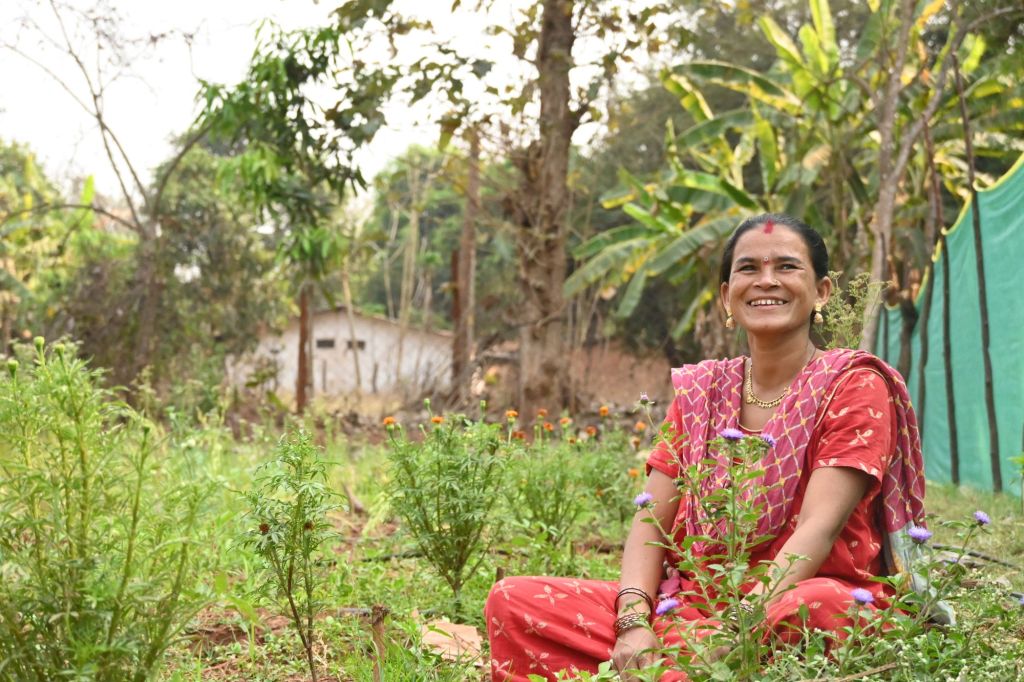
Shyamvati Netam, a cheerful woman. She is quite intelligent and hardworking. I first met her in the month of September. Her homeis located about 200 meters from a small hill on the northern side of Kutulnar village. She staying with her husband Manglu and three childrens along with parents in-law. Today’s story is about that woman’s struggle and courage.
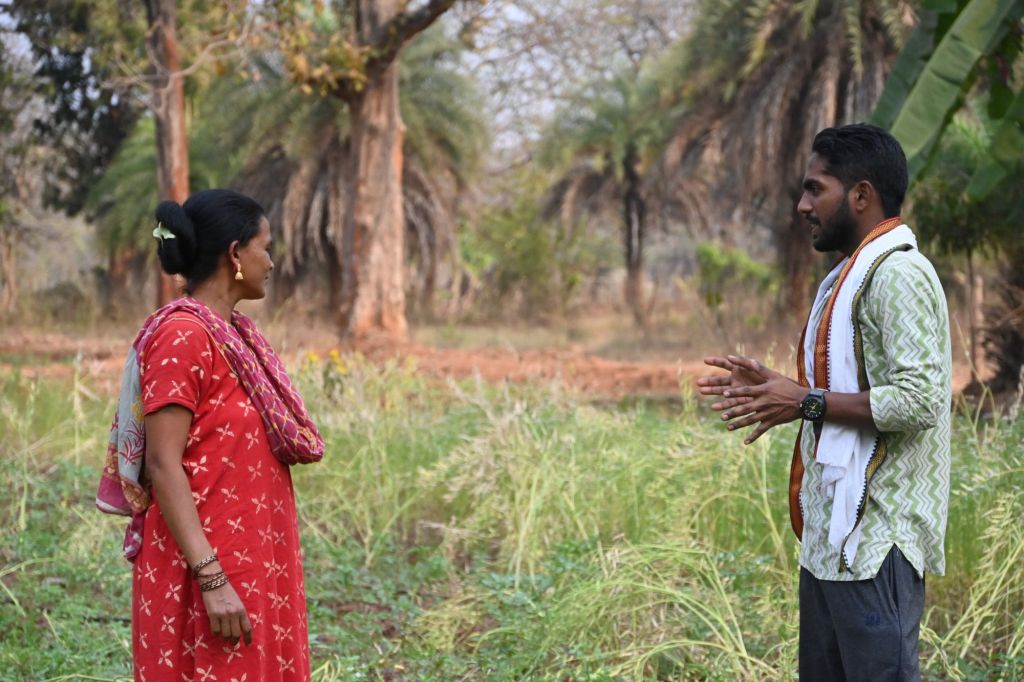
In early October, she showed interest in the Kalpataru model and was scolded by her husband for it. There was even a small argument between them. But with courage in her heart, she stepped into the field alone with a spade. Since then, the nature of their land has changed. There has also been a change in Manglu’s mindset. The impact of Kalpataru is now clearly visible in their kitchen as well.
I clearly remember, towards the end of September, the intensity of the rains was reducing. The empty fields were full of green grass. The ploughed grey land had just begun to dry. It was the time for model implementation. But at that peak time, the delaying attitude of the farmers became a headache for me.
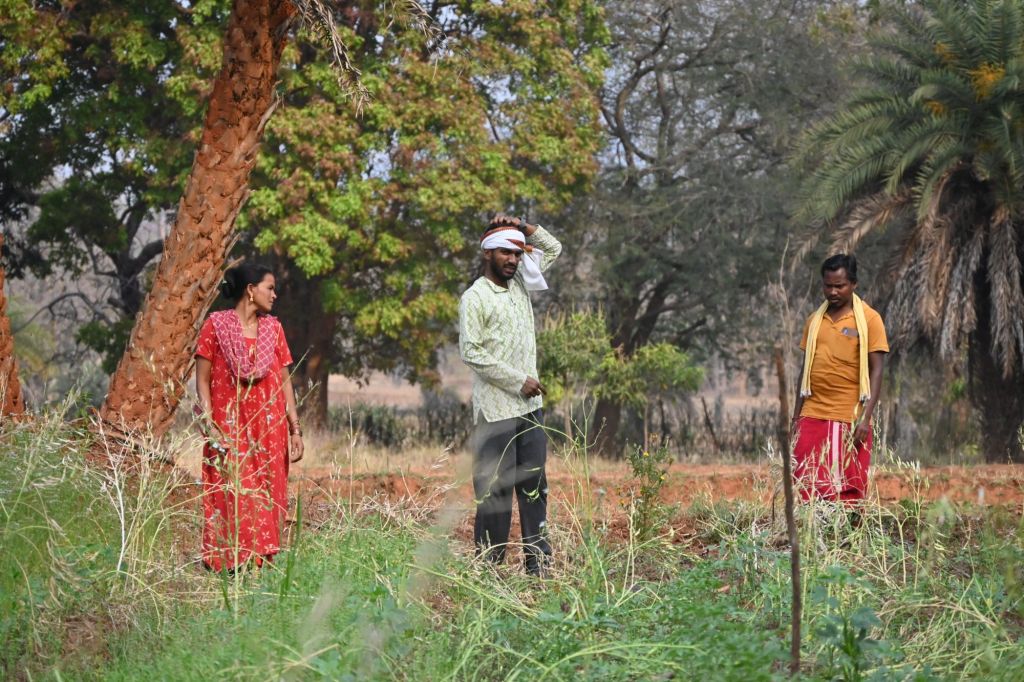
During group discussions, surveys, and meetings, I had seen a lot of enthusiasm among them. But the long monsoon and the need for hard work made that enthusiasm fade.
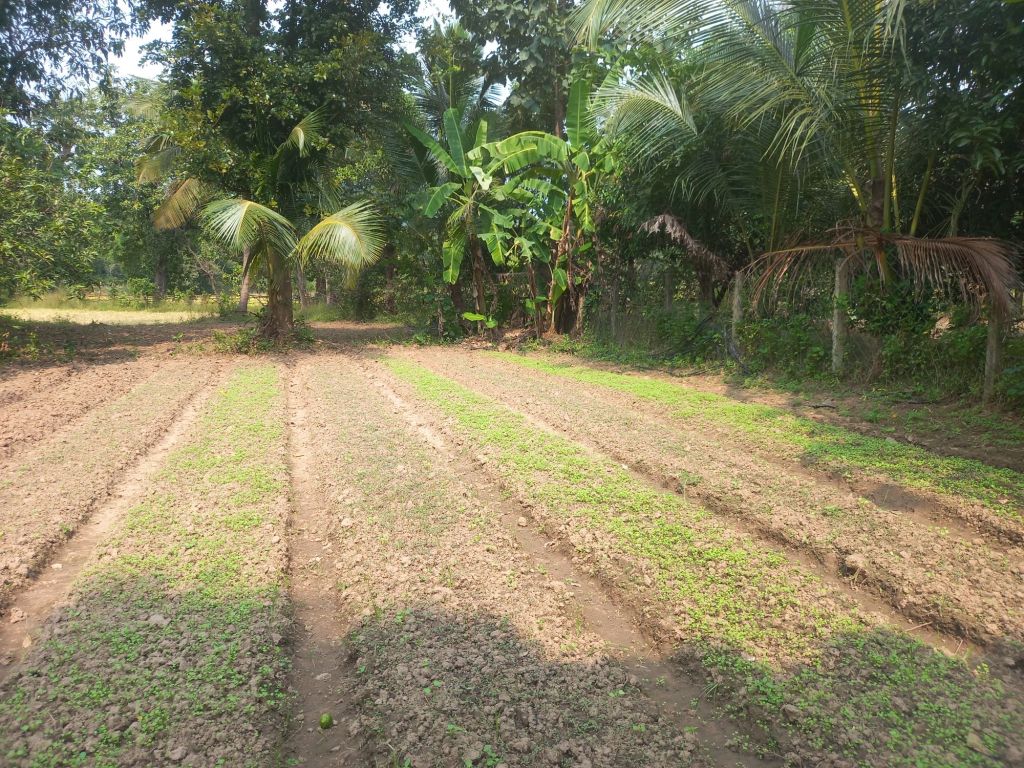
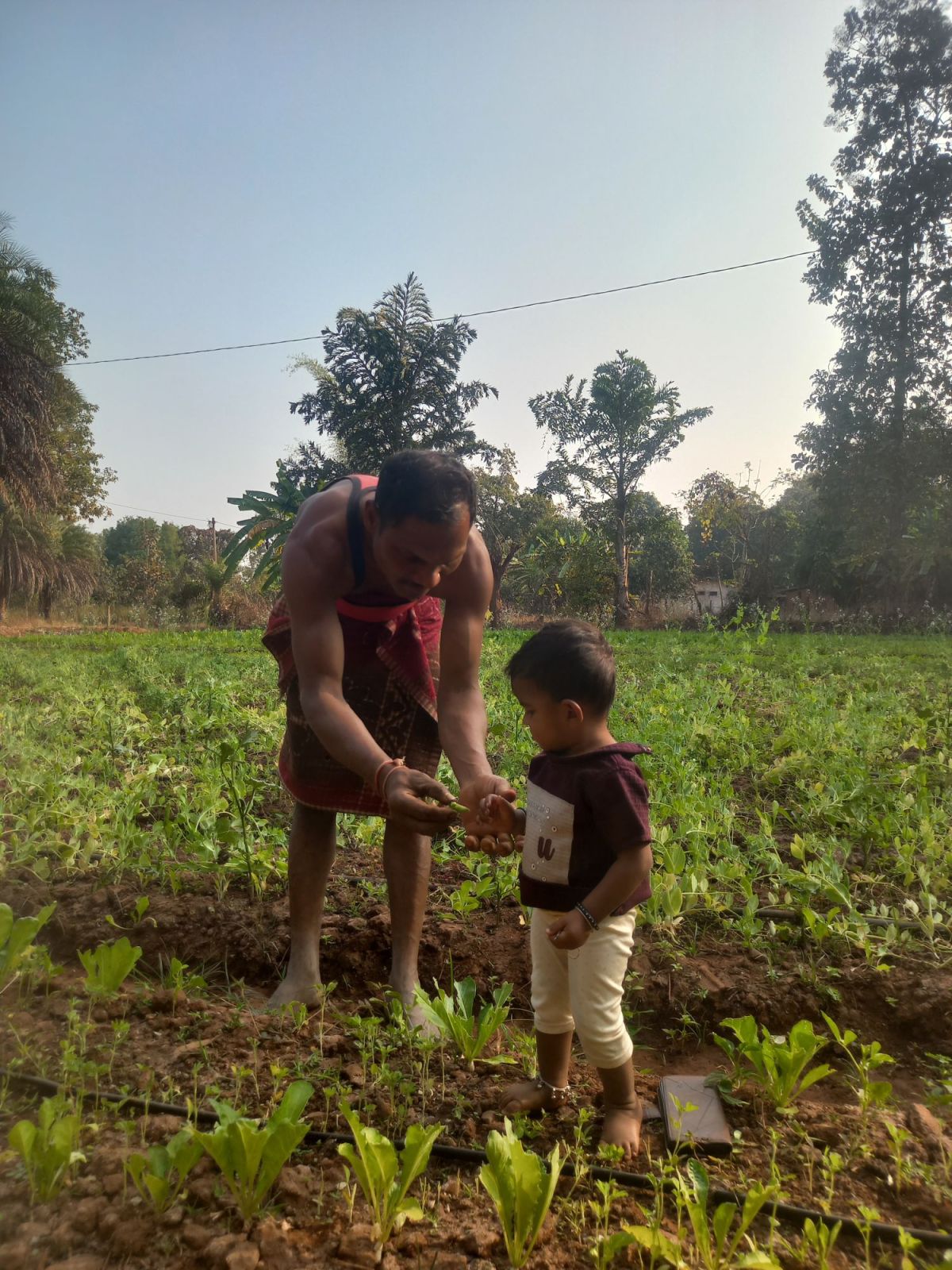
Several farmers were stepping back from the effort of making beds. Manglu was at the very front of that group. Though he didn’t say anything directly to me, his behaviour made it clear—just because he had said he would do vegetable farming by making beds, it didn’t mean he would actually do it. At that time, it was his wife who gave me a ray of hope.
It was about fifteen days before Diwali. One late afternoon, birds were calling sweetly from the teak trees. I went to Manglu’s house and saw her sitting quietly in the courtyard. From a distance, her husband was speaking angrily in the local tribal language.
I could not understand. At that moment, Gopi called me outside and said that there was a quarrel about making beds. Manglu no longer wanted to continue with the Kalpataru model. He was telling his wife, “Tum jaise aage badhkar zameen taiyaar karna shuru kiya. Tum hi saare bed banaogi. Main to pawra bhi nahi uthaoonga. Mere paas aur bhi bahut kaam hain.”
I felt very disheartened. I had hoped to see a good plot on their land, but instead there was a quarrel right at the beginning. I told her, there is no need to do the entire land. Just make two beds the way I showed yesterday.
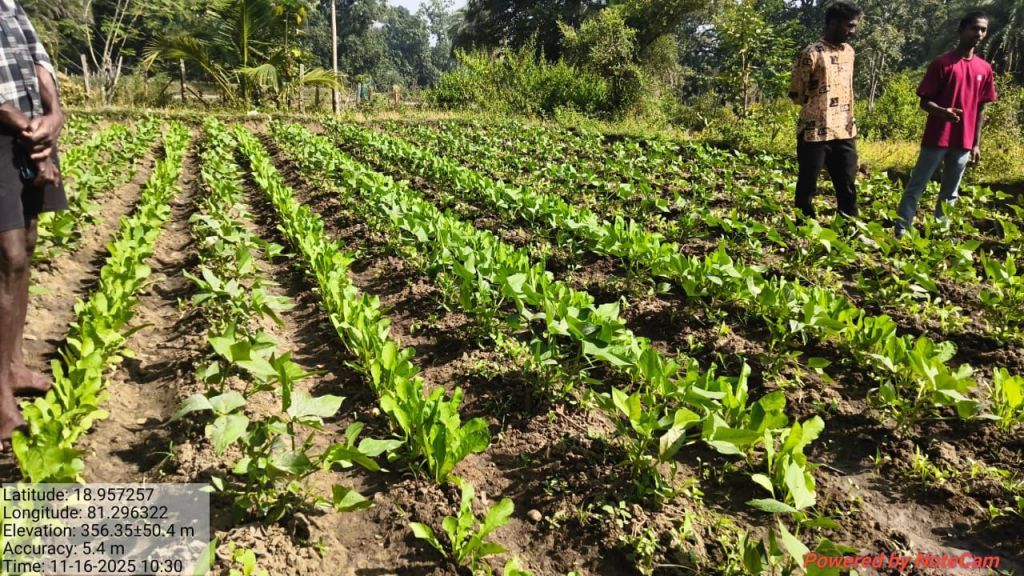
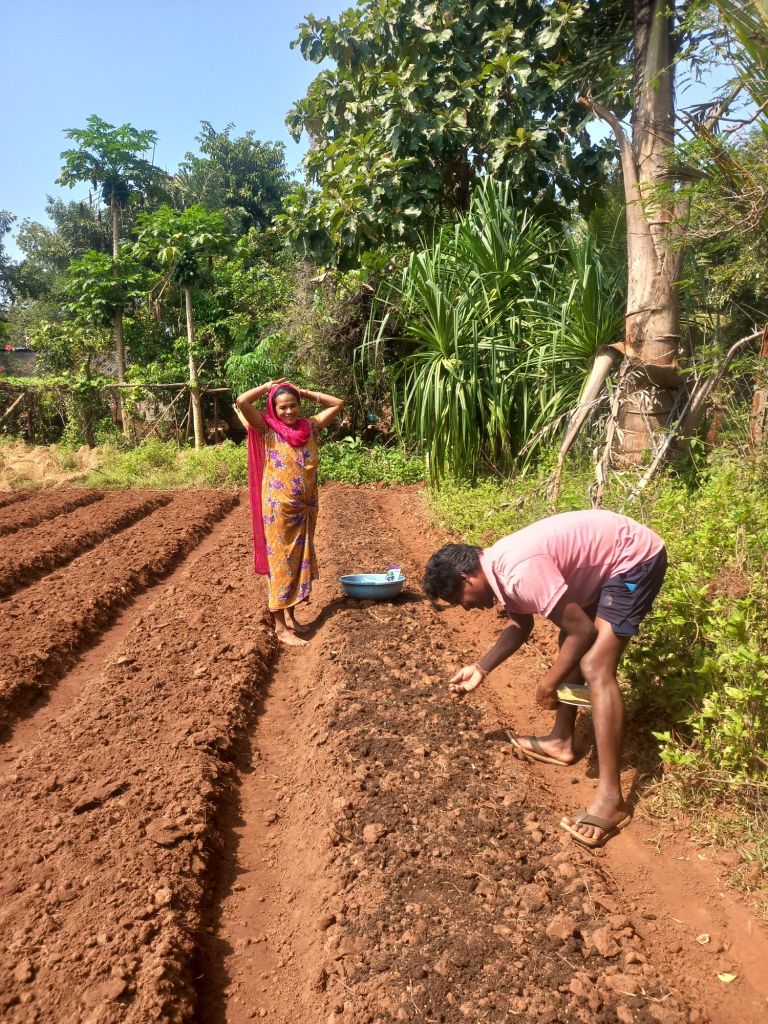
With uncertainty about how far things would move forward, I left that day. After two days, I went there again. I was surprised to see the field. Three beds, each about 75 feet long, were completely ready. Wearing a red saree, Shyamvati stood there, sweating, with a spade in her hand. Along a blue nylon rope, she was shaping the soil into beds. She noticed me when I called her. Smiling, she said, “Subir bhaiya, aap teen bole the, main banaya chaar, abhi aur banaungi. Kal se akela bana rahi hoon. Aap jaise bole, waise hi lal bhaji, methi bhaji, lapak, muli, matar sab lagaungi.”
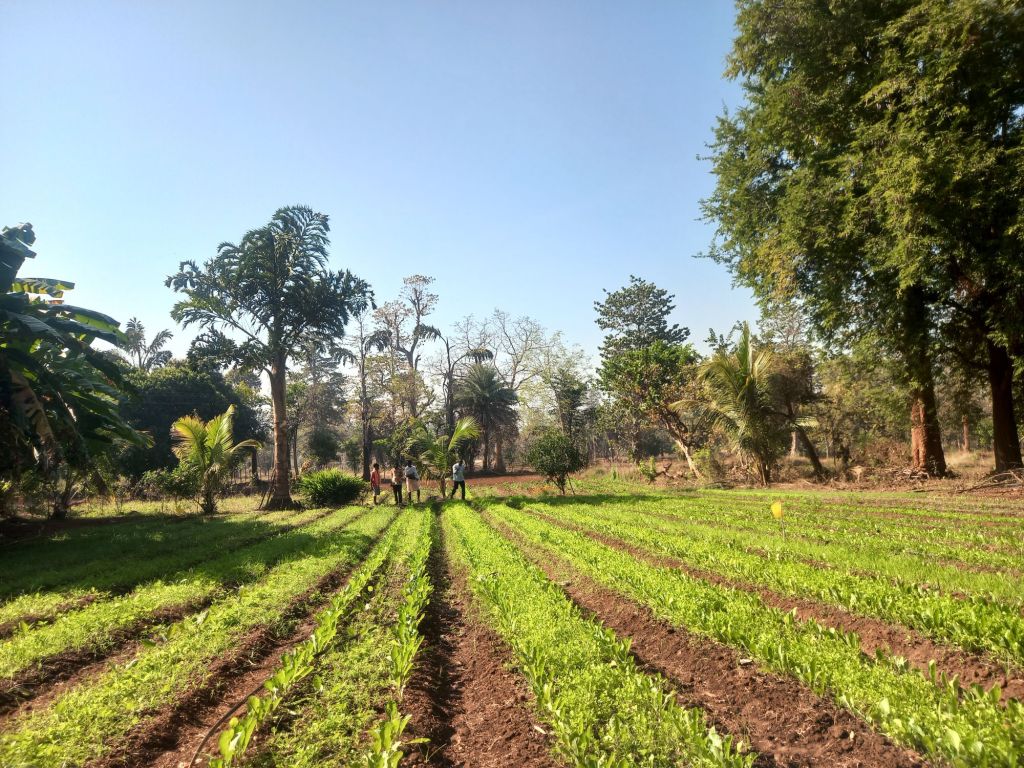
Within two weeks, the number of beds increased from four to thirteen. Seeds of different leafy vegetables, peas, and radish were sown in all the beds. She regularly carried water in buckets and poured it on the beds. Slowly, small red and green seedlings began to appear. Within twenty days, red spinach, spinach, and coriander had grown well. The smell of radish leaves spread around the field. From harvesting the greens, to applying manure to pea and radish plants, to removing weeds from the beds—she managed everything on her own. Even before the end of November, she had started selling coriander, red spinach, and spinach in the market.
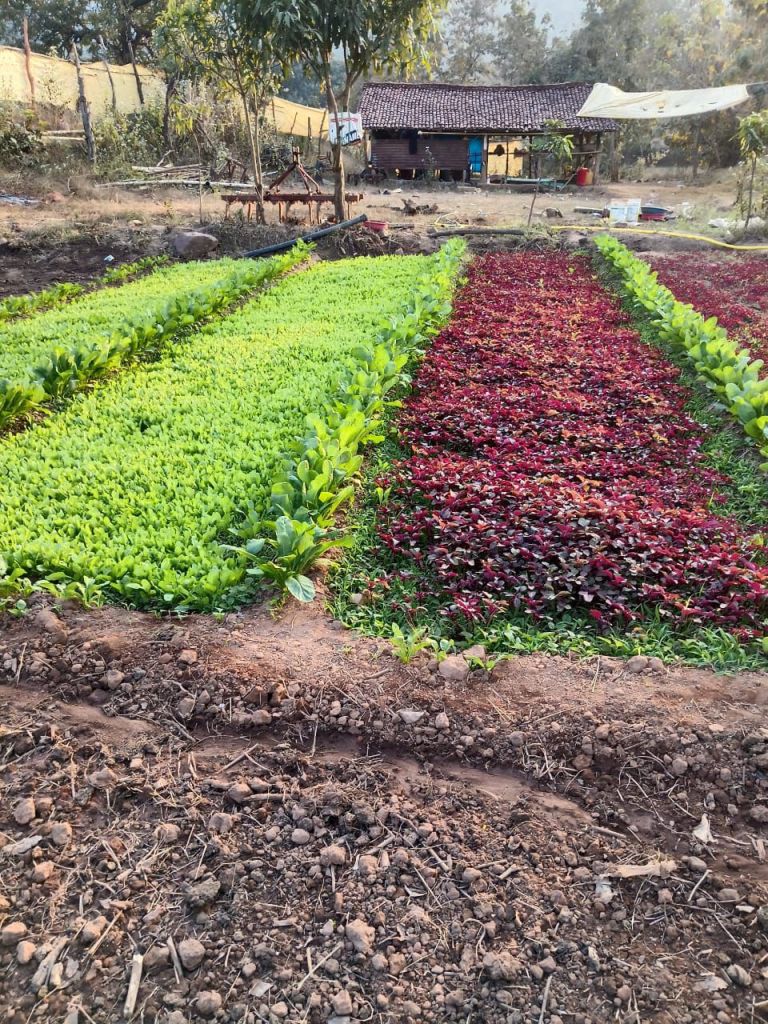
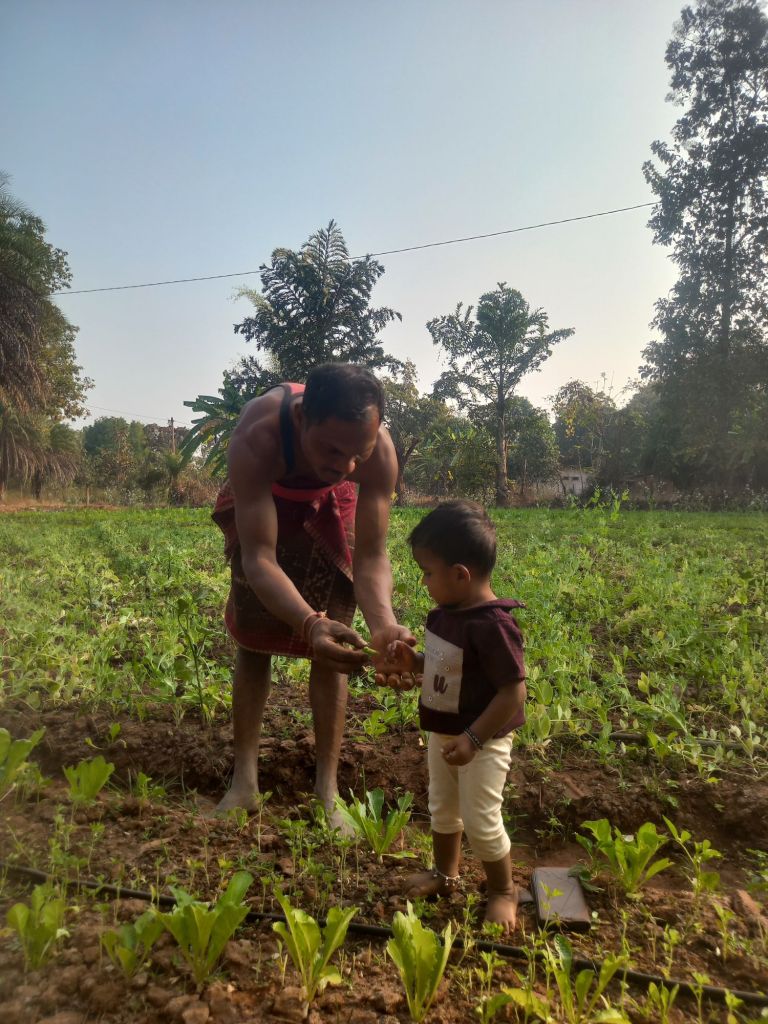
In early December, one day Gopi and I were walking around their plot. The pea plants looked beautiful with flowers and pods. Suddenly, Manglu arrived wearing a lungi and a vest. He started saying, “Dusra paas jo jagah khaali pada hai, wahan pe bhi bed banaunga soch raha hoon. Kya kya beej daalne se achha rahega?”
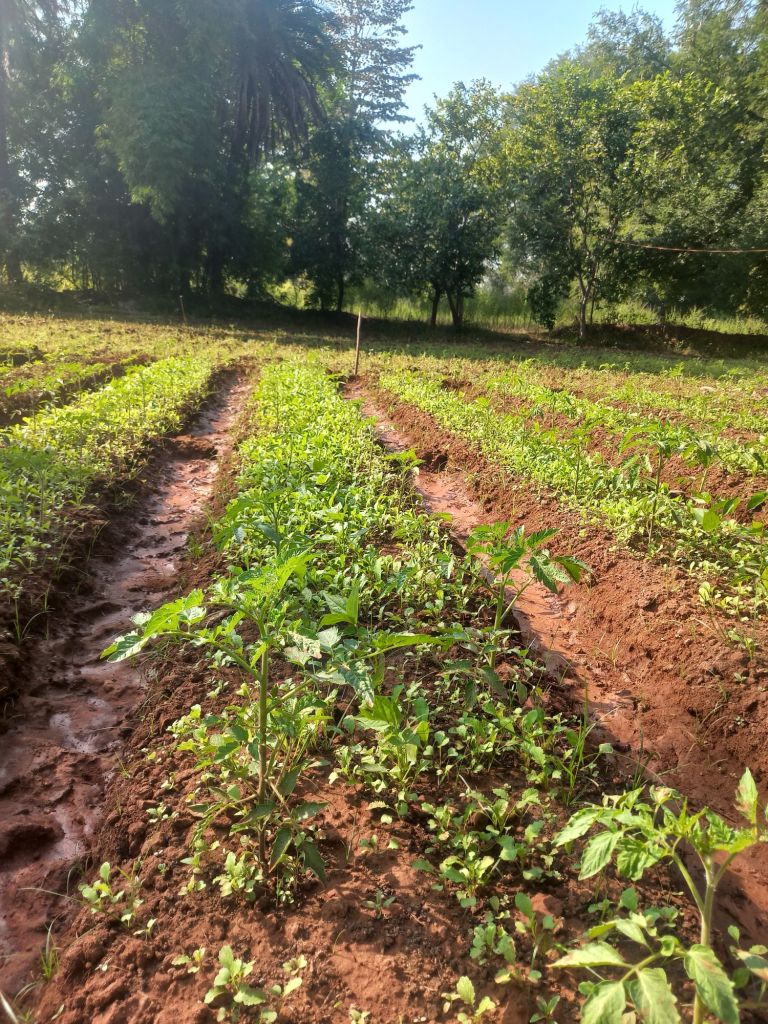
I was a bit surprised but also very happy. In her words, “Us samay main kuch bhi kaam bolne se nahi sunta tha. Bed banane ke liye bola to mujhe daant raha tha. Jab bazaar se saat aath hazaar ho gaya, tab aake mujhe poochha, dusra side bhi bed banana achha hoga na, Shyamvati? Maine bol diya, abhi nahi. Pehle is side saara ghaas-phus hataenge, phir kuch din baad udhar shuru karenge.”
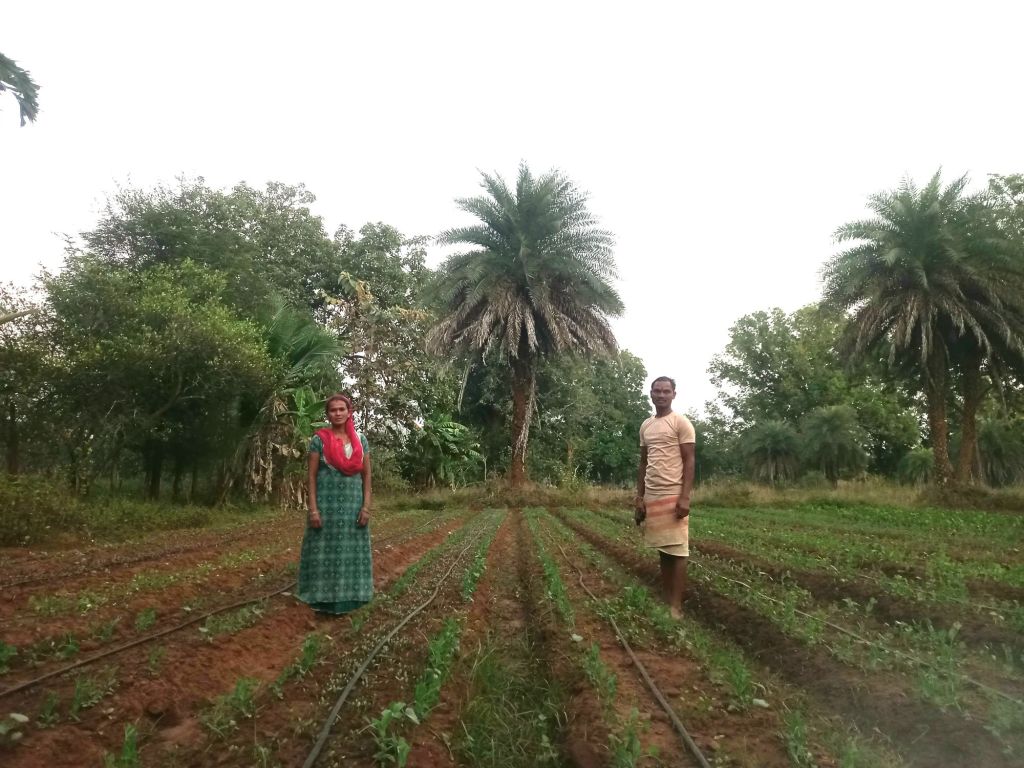
By February, she had earned more than fifteen thousand rupees from her land. Now summer crops are growing on the same beds. For the last four months, their meals have included a variety of vegetables. They said that their dependence on buying vegetables from the market has reduced a lot.
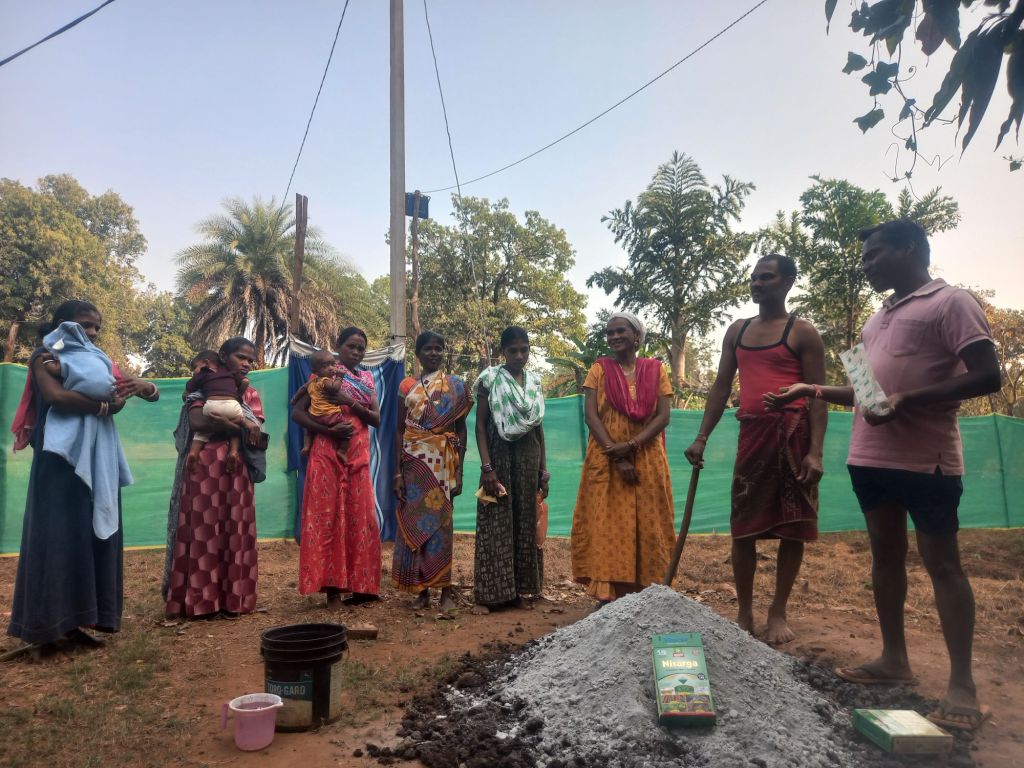
Once, Manglu was not ready to try anything new on the land. Today, he himself is thinking of increasing the number of beds. He is discussing work with her and giving importance to her suggestions. Because of this change, maybe hundreds of other women will choose the Kalpataru model. They will work with determination and courage.
 iVolunteer Blog - everything about volunteering