
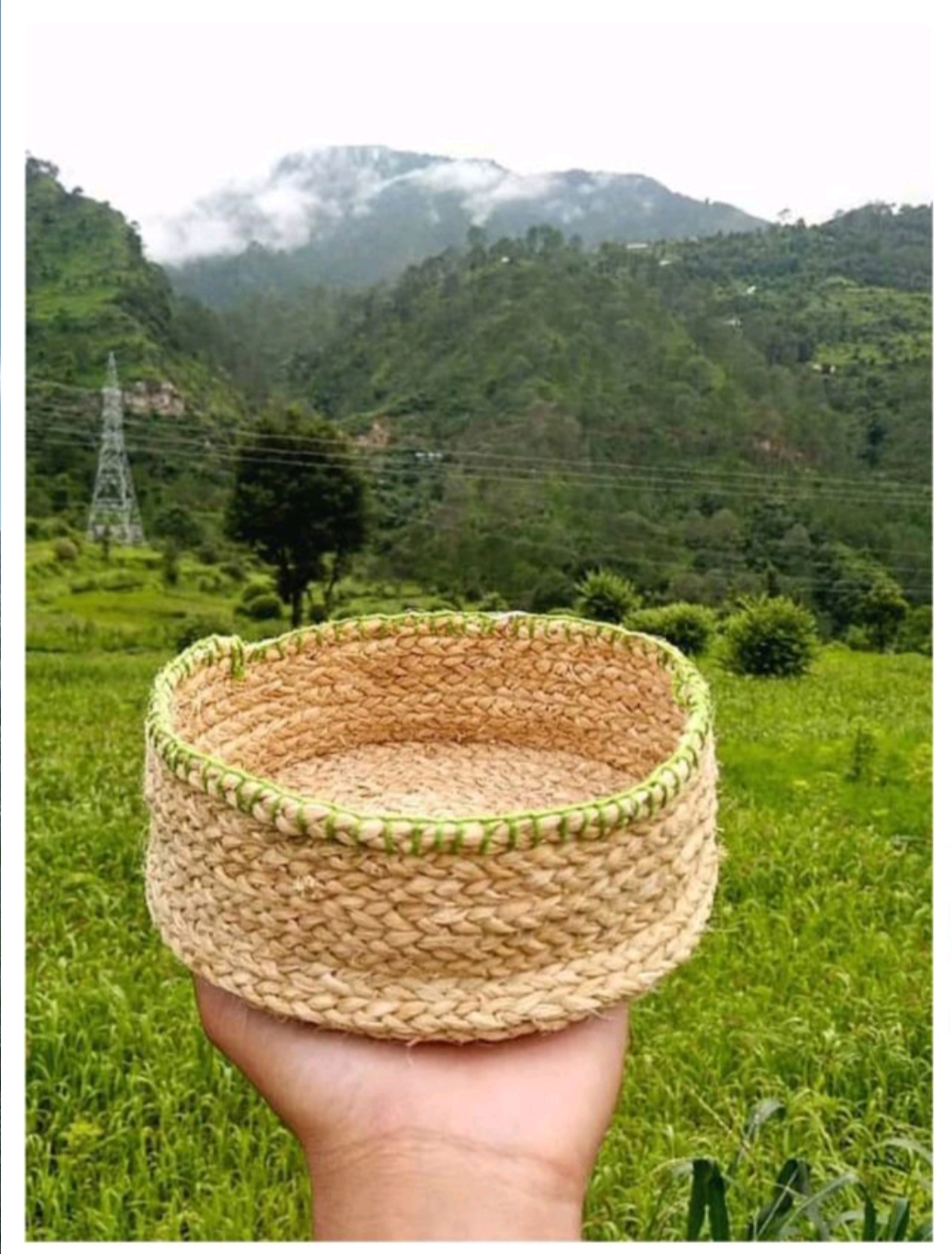
Today, while thinking about which everyday Uttarakhand product I could write about, my eyes stopped at a simple Bhimal basket kept in my room. I use it daily without thinking about where it came from or who made it. That small moment made me curious. I wanted to understand the journey of the tree behind it and how it supports so many lives in the hills of Uttarakhand.
The tree is called Grewia optiva, and in the local language it is known as Bhimal. In the hill regions of Uttarakhand, Bhimal is not just a tree. It is an important part of rural life and the local economy.
Bhimal is used in many ways. Its leaves are used as nutritious animal feed, especially during dry seasons when green fodder is limited. Different parts of the tree are also used in traditional practices. In some places, extracts are used in natural and herbal products such as shampoos. The fiber and other parts of the tree are used to make daily utility products that we often see in markets without knowing their origin.
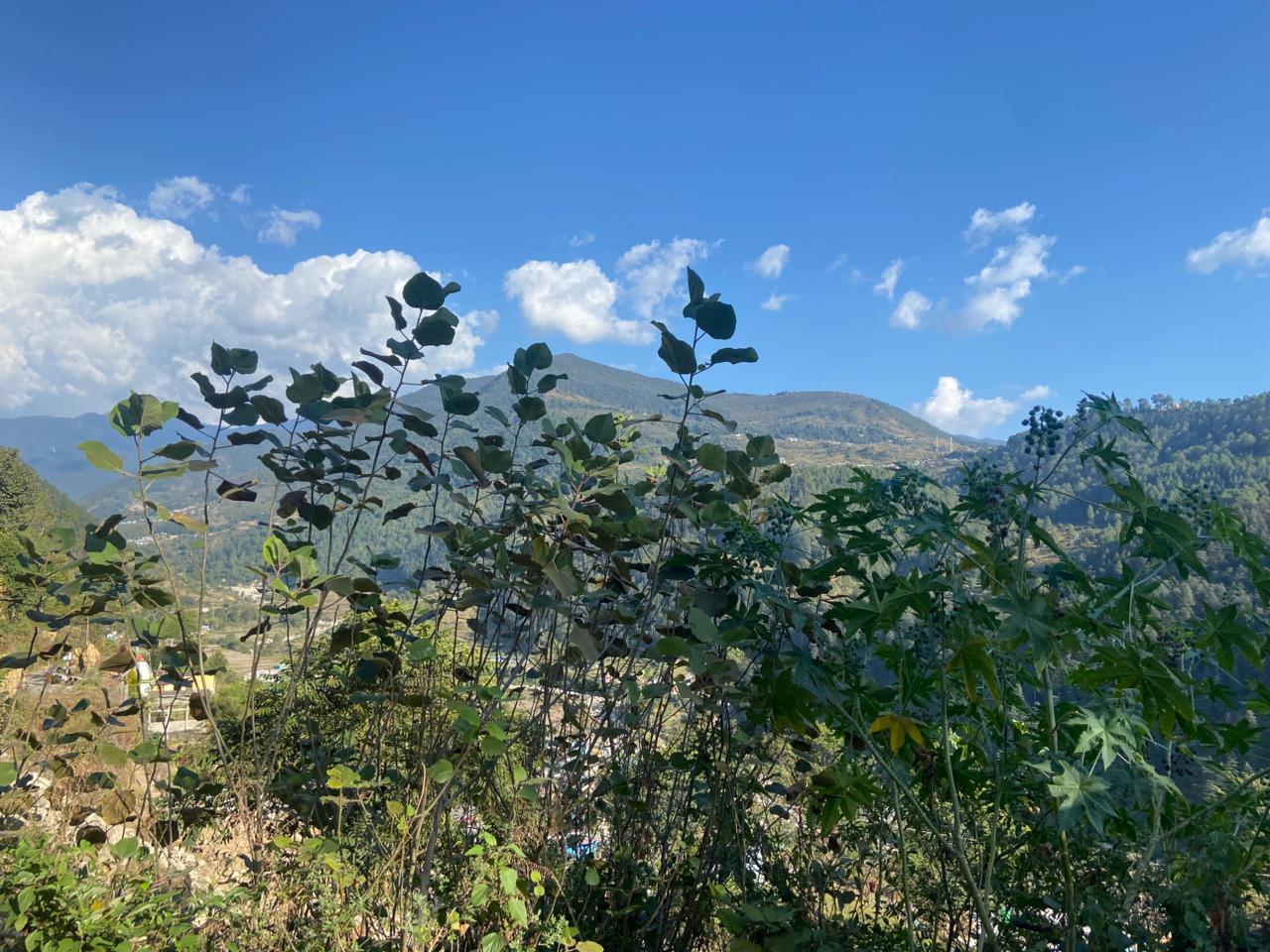
One of the most important uses of Bhimal is its bark, which provides strong natural fiber. Villagers collect the bark carefully, dry it, soak it in water, and then manually separate the fiber. This process requires traditional knowledge, skill, and patience. The fiber is then twisted into ropes or woven into baskets, mats, and other handicrafts.
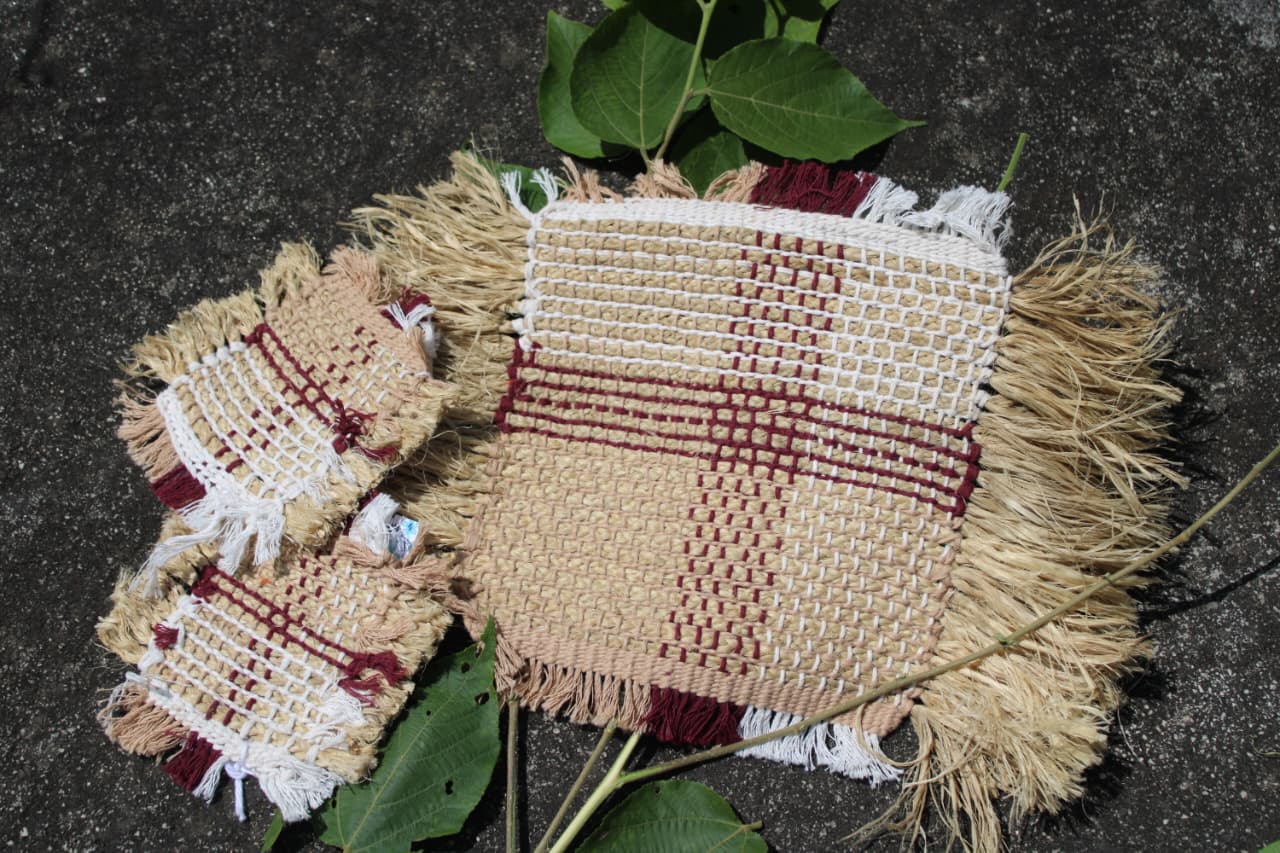
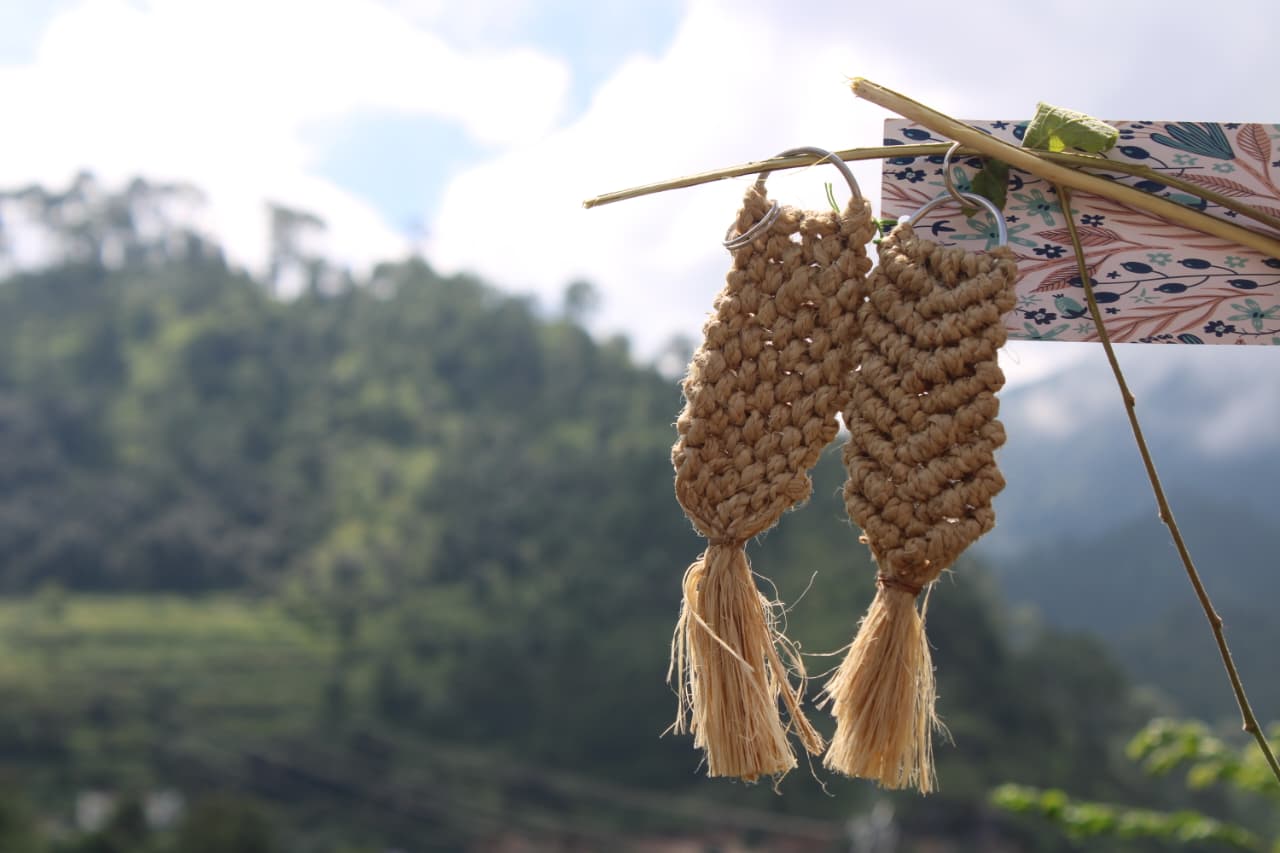
Today, Bhimal fiber is used in many everyday products. These include ropes, eco friendly packaging materials, handmade paper, and household baskets. These products travel from small hill villages to towns and cities across India. However, most people who use these items are unaware of the effort and natural resources behind them.
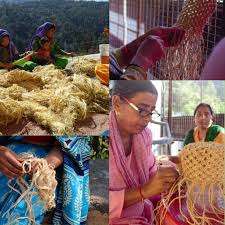
When I explored further, I realized that the trade of Bhimal fiber is still not well organized. Many villagers sell raw fiber at low prices to middlemen. Most of the processing and profit take place outside the villages. As a result, local producers receive only a small share of the final value. In a region where employment opportunities are already limited and migration is increasing, this becomes a serious concern.
Bhimal falls under the category of Non-Timber Forest Produce (NTFP), yet it has not received adequate focused recognition in policy implementation. With proper support under rural enterprise and forest-based livelihood programs, Bhimal-based industries could grow significantly. Establishing local processing units, providing skill training, improving branding, and strengthening market access could generate sustainable income for mountain communities. I also see strong potential for women’s empowerment in this sector. In many villages, women are deeply involved in fiber collection and product-making. Strengthening Bhimal enterprises could enhance their financial independence and reduce economic vulnerability.
That simple basket in my room now feels different. It represents the connection between forests, livelihoods, and everyday life; showing how one tree species can support ecology, economy, and culture simultaneously.
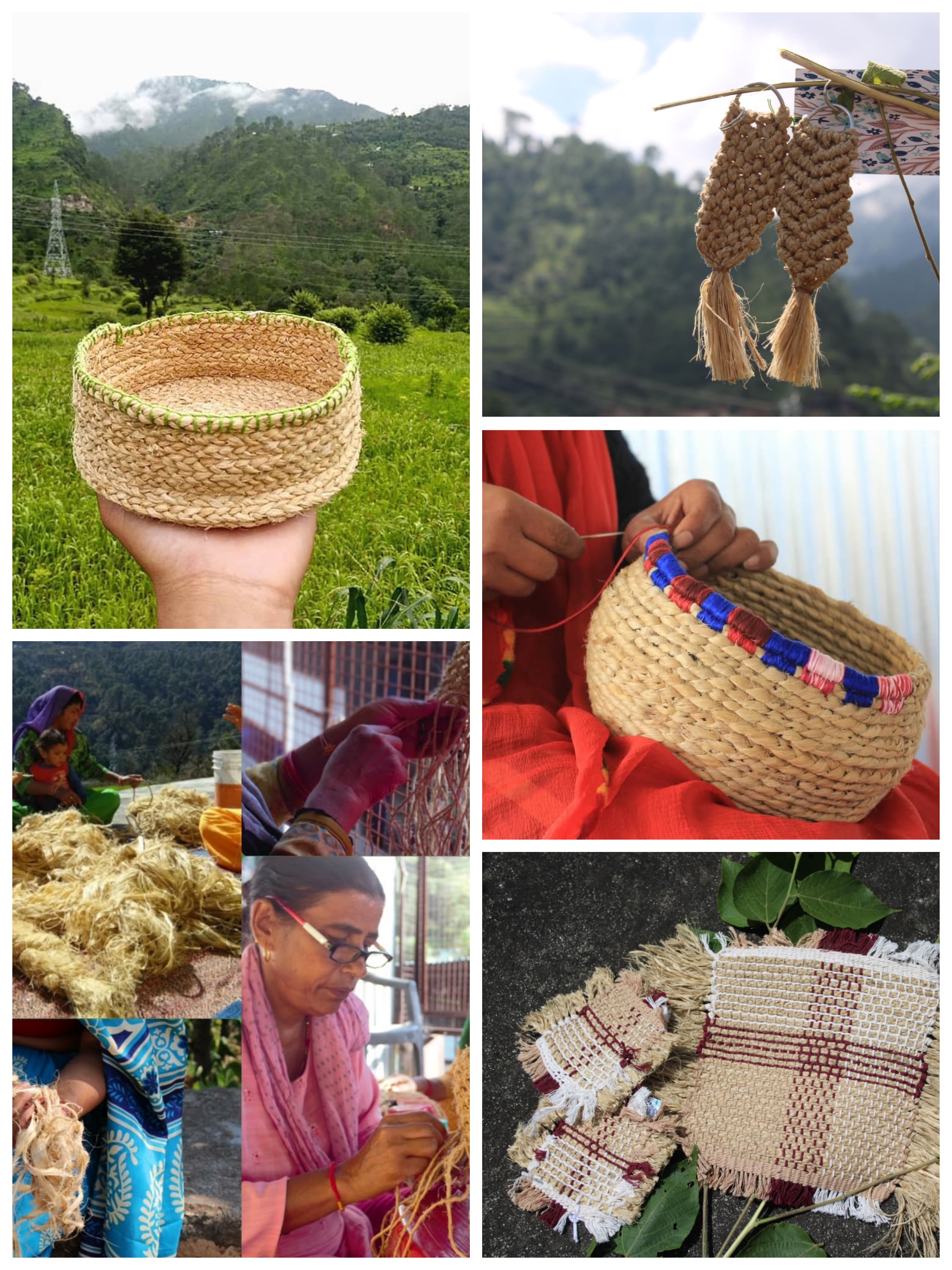
The journey of Grewia optiva is not just from forest to market. It is a story of resilience, traditional knowledge, and untapped rural potential. Sometimes development is not about creating something new but about recognizing and strengthening what already exists. 🌱

 iVolunteer Blog - everything about volunteering
One reply on “The Journey of Grewia optiva (Bhimal)”
Wow, I truly appreciate the effort and depth of research you’ve put into this. It’s amazing how you’re bringing the processes, dedication, and hard work of people into the spotlight for the entire country and soon, the world to see. Keep up this incredible work and continue sharing such insightful and meaningful content with us. Looking forward to reading more of your informative blogs!
LikeLike