
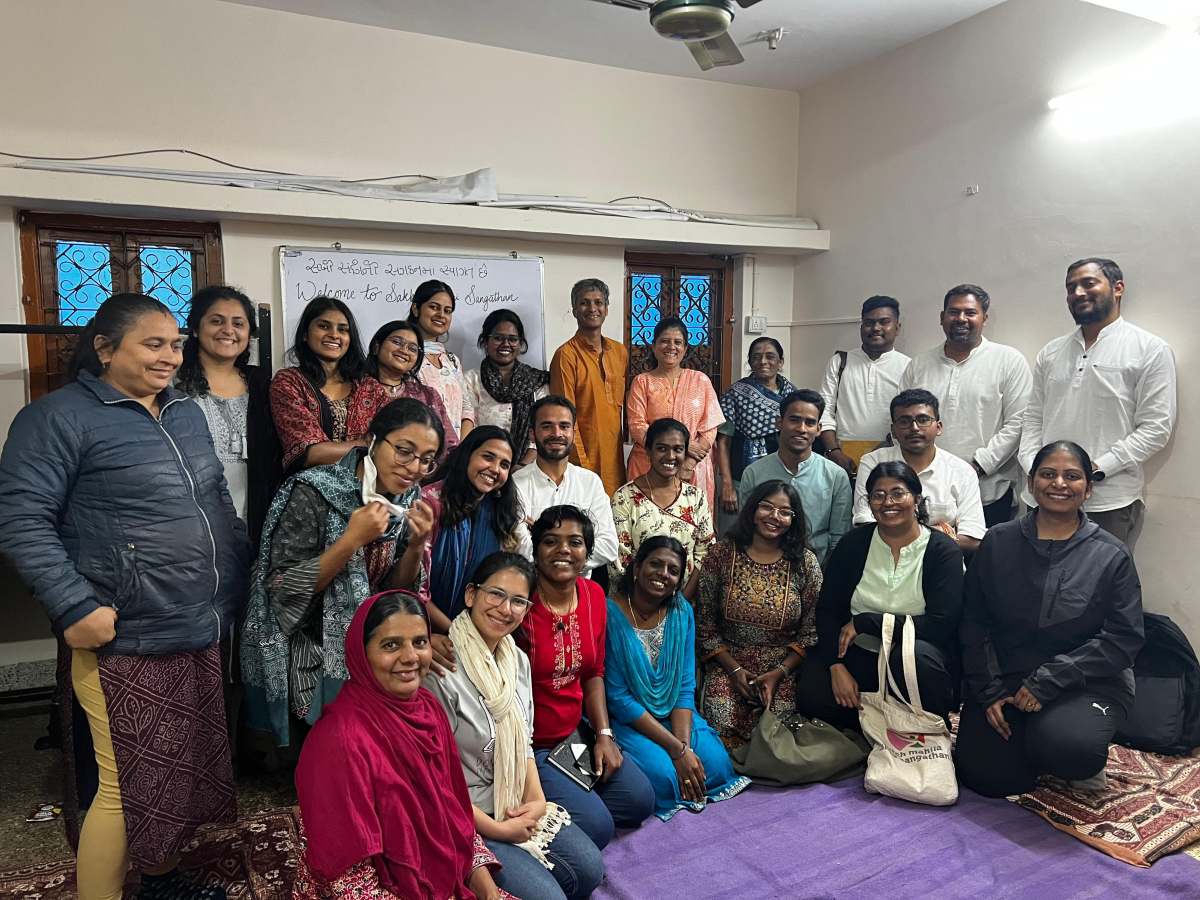
As fellows of the JSW Foundation, our fifth training took us on a remarkable 10-day travel workshop to the Kutch region of Gujarat. This was not just an ordinary training; it was an immersive experience where we got to explore the dynamic work of various organizations, learning how they collaborate with communities and the government. For many of us, it was our first time in Kutch, and the moment we arrived, Bhuj embraced us like home.
Bhuj is a land steeped in history, with roots tracing back to the Harappan civilization. Yet, despite its rich heritage, it is a disaster-prone region, experiencing a major earthquake every 50 years. This was a fact we heard repeatedly, but what struck us most was the perspective of the locals. To them, earthquakes were not a crisis but a part of life, something they accepted and overcame with remarkable resilience. Every organization we visited spoke of the devastating 2001 Gujarat earthquake, which shook the region to its core but also united people in rebuilding their communities. Unlike many other places where organizations operate separately, Bhuj stood out because its organizations work together, not as competitors but as allies, toward a shared vision of progress.
This blog captures the essence of February 3, 2025, the seventh day of our travel workshop. The day before had been long yet magical, as we explored the White Rann and the ancient ruins of Dholavira. Exhaustion clung to us, but our desire to make the most of this journey pushed us forward.
At 6:00 AM, my friend Nutan refused to let me sleep in. She reminded me that it was Harini’s last day with us before she left the workshop, urging me to seize the morning. And so, despite my grogginess, I joined a small group of fellows for an early morning walk along Hamirsar Lake, just beside our hotel.

The air was crisp, the city still waking up. As we wandered along the tranquil waters, we stumbled upon a hanging bridge—a perfect spot to sit and witness the sky painted in hues of orange and pink as the sun began to rise. We sat in awe, capturing the moment not just with our phones but also in our hearts, knowing that these were the memories we would cherish long after the workshop ended.
Setu Abhiyan: Bridging Gaps in Society
By 9:00 AM, we were ready to begin our journey for the day. Our agenda included two organization visits and a Self-Help Group (SHG) meeting. But first, we needed fuel, and what better way to start the day than with an authentic Gujarati breakfast at a bustling street-side eatery near Bankers Colony, Jubilee Circle? As we enjoyed our meal, our facilitator, Nikitha, joined us, her warm smile setting the tone for an exciting day ahead.
Our first destination was Setu Abhiyan, where we met Manish ji, a passionate advocate for community-driven development. He took us through the organization’s journey, explaining how they worked hand in hand with the government, local communities, and other organizations to rebuild Bhuj after the earthquake.

One initiative that truly inspired me was their Balika Panchayat, a program that empowers young girls to take part in local governance. This effort ensures that young voices are heard and prepares them to be future leaders. Witnessing such impactful work made me reflect on how similar youth-led initiatives could be incorporated into my own project

Sakhi Sangini: Empowering Women, Transforming Lives
In the afternoon, we visited Sakhi Sangini, where we met its co-founder, an inspiring woman whose dedication to uplifting others was evident in every word she spoke. Sakhi Sangini operates in five slum areas of Bhuj, focusing on leadership transformation and women’s empowerment. Their initiatives range from encouraging women to resume their education after marriage to providing legal and financial advice.
One of the most fascinating aspects of their work is promoting Kutch’s traditional handicrafts, such as Bandhani and other textile arts, allowing women to achieve financial independence through their craft.
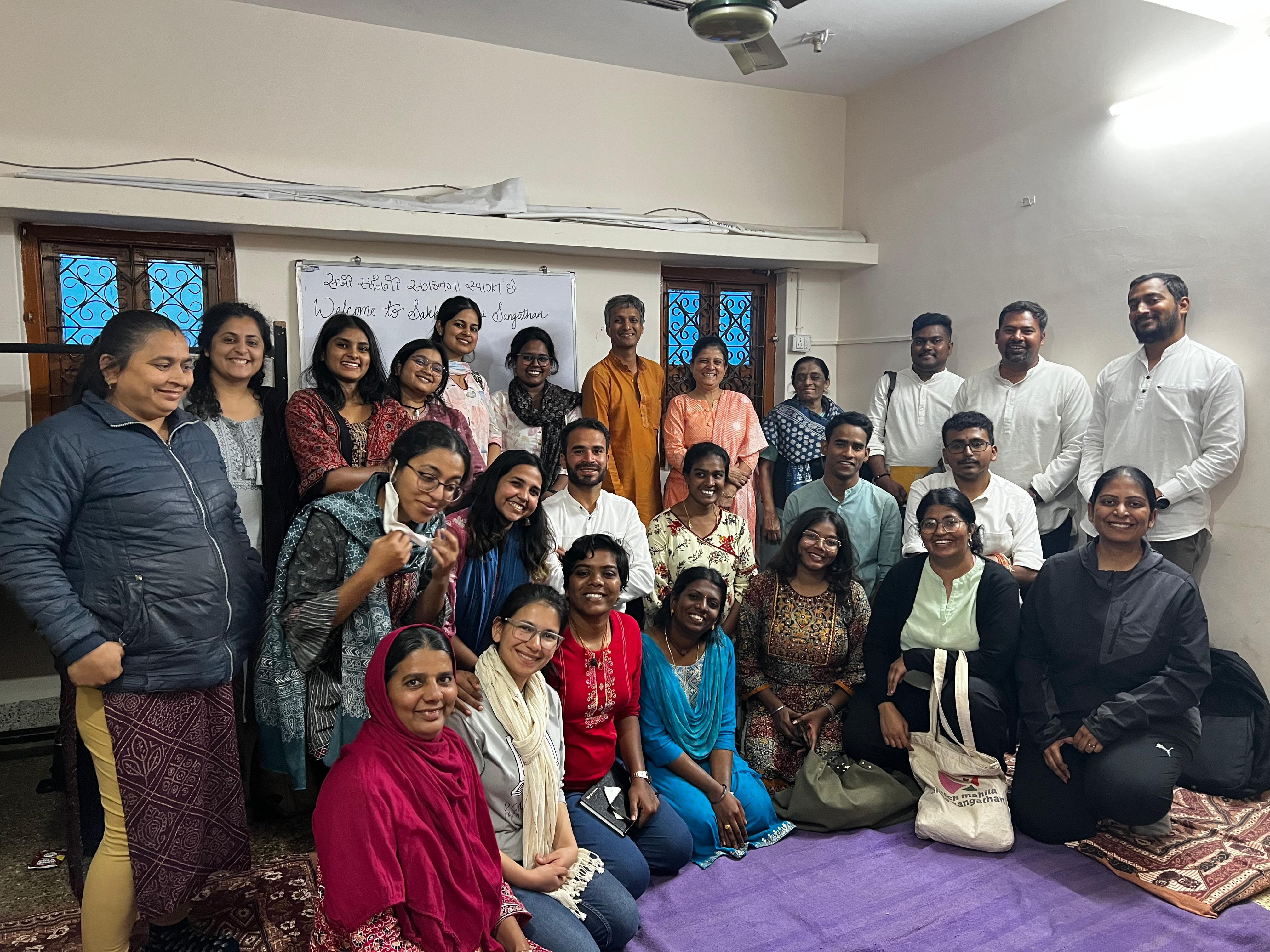

Their story was one of resilience—turning crisis into opportunity. They assist migrant women in securing essential documents, ensuring they have access to healthcare, financial services, and social security. Additionally, they raise awareness about the POSH (Prevention of Sexual Harassment) Act among daily-wage women workers, an initiative that particularly resonated with me. This visit made us reflect deeply on how we can transform challenges into opportunities in our own fields of work.
The Power of SHGs
By 4:00 PM, we reached a Self-Help Group (SHG) meeting in a nearby colony, where we got a hands-on understanding of how microfinance and banking systems function at the grassroots level.
The meeting was an eye-opener, showing us how women collectively save money, take loans, and invest in small businesses, helping each other become financially independent. It was a powerful example of financial empowerment, proving that even small efforts can bring monumental change in a community
As we returned to our hotel, the weight of the day’s experiences settled in. It had been a day of immense learning, deep reflection, and renewed inspiration. The stories of Setu Abhiyan, Sakhi Sangini, and the SHG group left an indelible mark on us, challenging us to rethink how we engage with communities and drive social impact.
Bhuj had taught us a valuable lesson in resilience, collaboration, and unwavering optimism. The people here had faced devastation and loss, yet they rebuilt their lives with hope and determination. As we continued our journey in Kutch, we carried with us not just knowledge but also a profound appreciation for the spirit of those who transform adversity into strength—just like Bhuj itself.
 iVolunteer Blog - everything about volunteering
One reply on ““A Day in Bhuj: Stories of Strength, Community, and Change””
It was really a great experience at Bhuj. and coincidently all boys are in white
LikeLike