About a year ago, I was confused about where to start and what to do in my fellowship journey. Now I am working with 17 women to set up a stitching unit in my project location. I visited villages around the JSW plant location in Salboni, West Bengal. I then ended up choosing the closest village, Balibasa with a 4 km proximity, which was completely tribally dominated. A small village with a population of less than 100 people, roads full of cattle, goats, pigs and dogs with no pucca roads. It was my first experience in West Bengal. I didn’t know Bengali nor proper Hindi, and the people of the village spoke Santhali (Ol-Chiki). I felt completely zoned out and hopeless, but I started exploring the village and communicating through actions with people. Villagers started noticing me after I became a regular visitor to their village and started joining small gossip groups of women in the evenings.
My personal biases always had a cover over my eyes since the day I went to the village. I always considered a village woman as a typical housewife staying at home, away from the outside world. Reaffirming this bias was the digital penetration in the area- only three women had a mobile phone on their own, none of the women were ready to come out of their village alone, and most of them were married before they turned twenty years of age.
Secondary research is always a good place to start, so I did read a few articles about the Santhal tribe and the women. This made me realize how powerful women in the community are. I started having small discussions with them, and gradually one woman could speak Hindi. So I started talking to everyone through her. Her name was Anitha Mandi, and the one thing she said to me went a long way in breaking my bias about the women of this community.

“अगर आप कोशिश करें तो आप कुछ भी पा सकते हैं”
Loosely translated, it means that ‘if we try, we will get anything’. Even among this tribal community, that one quote from her made me understand that there is an inner belief and wish in the women of this region to take on whatever comes to them, and keep trying.
The women of Balibasa village started opening up to me slowly. They started talking about their daily routine. From early morning they are engaged in one or the other activity. From early morning, they are engaged in various tasks. Each household owns cows or goats, which are taken out to graze first and then the women manage all the household chores. By afternoon, they finish their work, have lunch, and take a well-deserved hour long nap. Once the children return from school, it’s time to bring the cattle back from grazing. A typical day goes like this and during harvesting and sowing time in fields, the routine becomes tight.
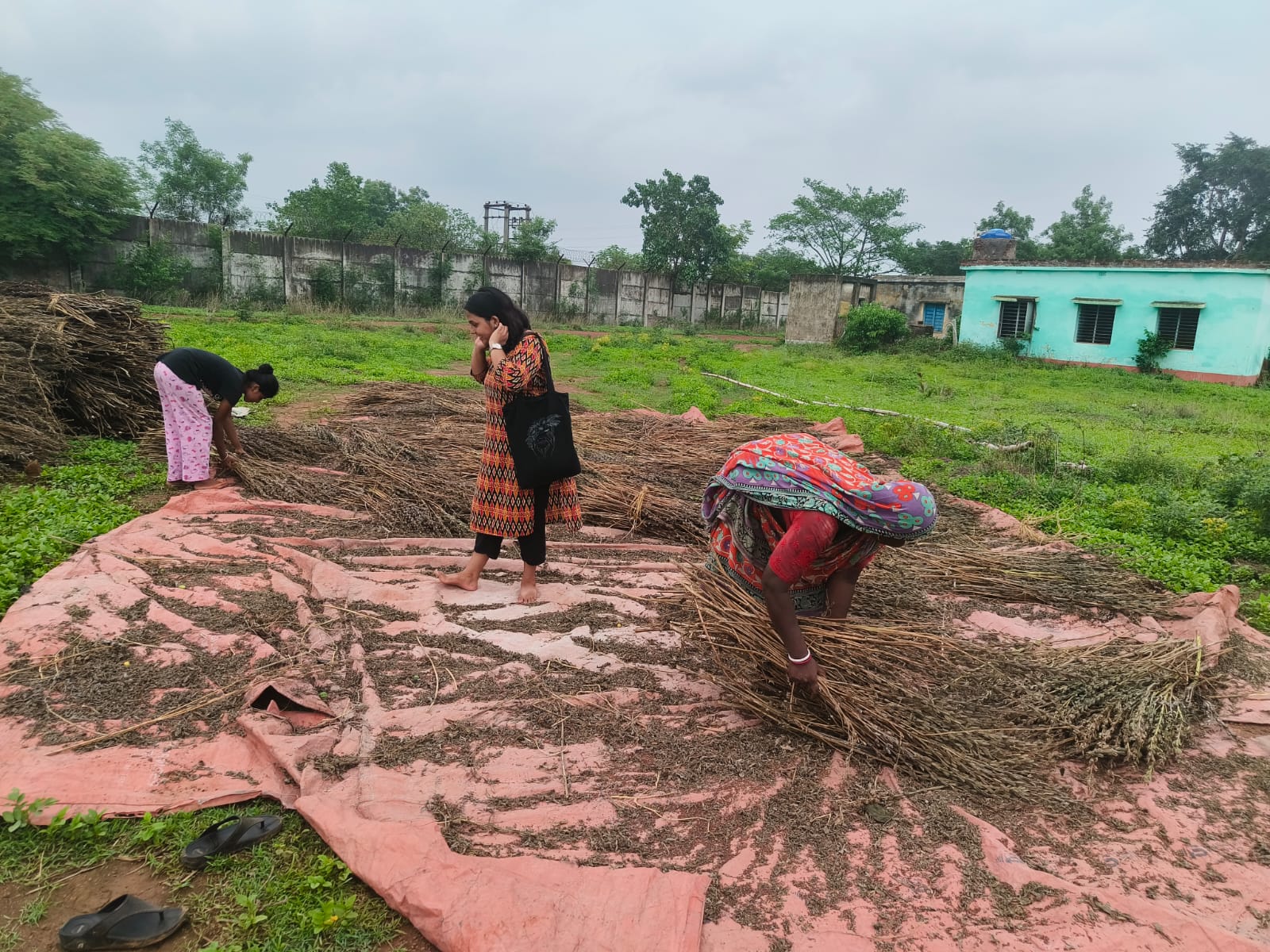
After realizing the time they had free in the day, I scheduled meetings during that time. They were eager to see me and chat, so I began by asking about their aspirations. Surprisingly, none of them could articulate them very well. “They wanted to learn new things and explore, but in between conversations, the decision always came down to one thing: “We have to ask the men of the village.” I never knew why they kept restricting themselves, but after giving it a lot of thought, I understood that this was how they were brought up. They had not had a lot of exposure, but had an inner wish to break barriers and come out. Their inner desires and abilities made me realize their potential to become entrepreneurs, so I explained to them in simple terms and actions about starting businesses. I wasn’t expecting a positive response, but to my surprise, everyone was excited about the concept of starting a business. The hope in their eyes inspired me to take up the project of setting up a micro-enterprise. After analyzing the current situation and needs, skill development was planned for stitching and allied activities. All the women joined their hands together to clean a space for their collective work and came together in a village club to start learning. Recently, the stitching unit got inaugurated and training is going on.
My ongoing journey with the women has been a humbling experience, gradually revealing my own biases and the deeper, often overlooked, need for support that women in rural communities face. Through spending time with them, listening to their stories, and witnessing their daily struggles and resilience, I’ve come to understand how essential it is to create spaces where women can access resources, skills, and encouragement. This journey has not only expanded my perspective but also reaffirmed the importance of fostering empowerment through understanding and solidarity.

 iVolunteer Blog - everything about volunteering
One reply on “Women of Balibasa village”
The Journey of Empowering Communities inspires and uplifts us. A beautifully shared experience by Arathi.
LikeLiked by 1 person