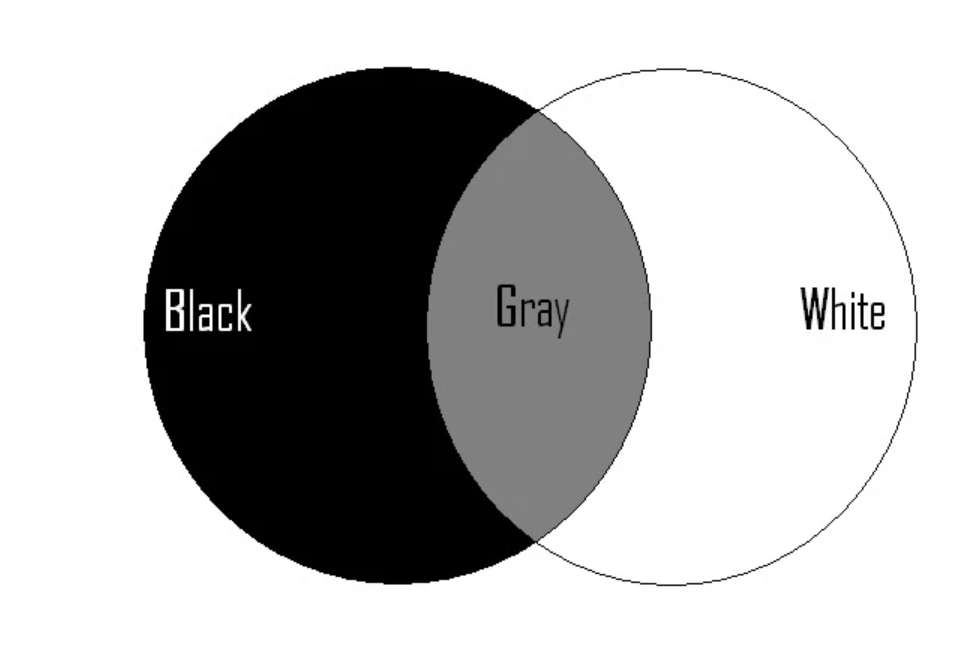
What do Switzerland, fog, the overlap in a Venn diagram, and Dorian Gray all have in common? They all live comfortably in the grey.
Life in the middle. Middle class. Middle child. Neutral party. Grey areas.

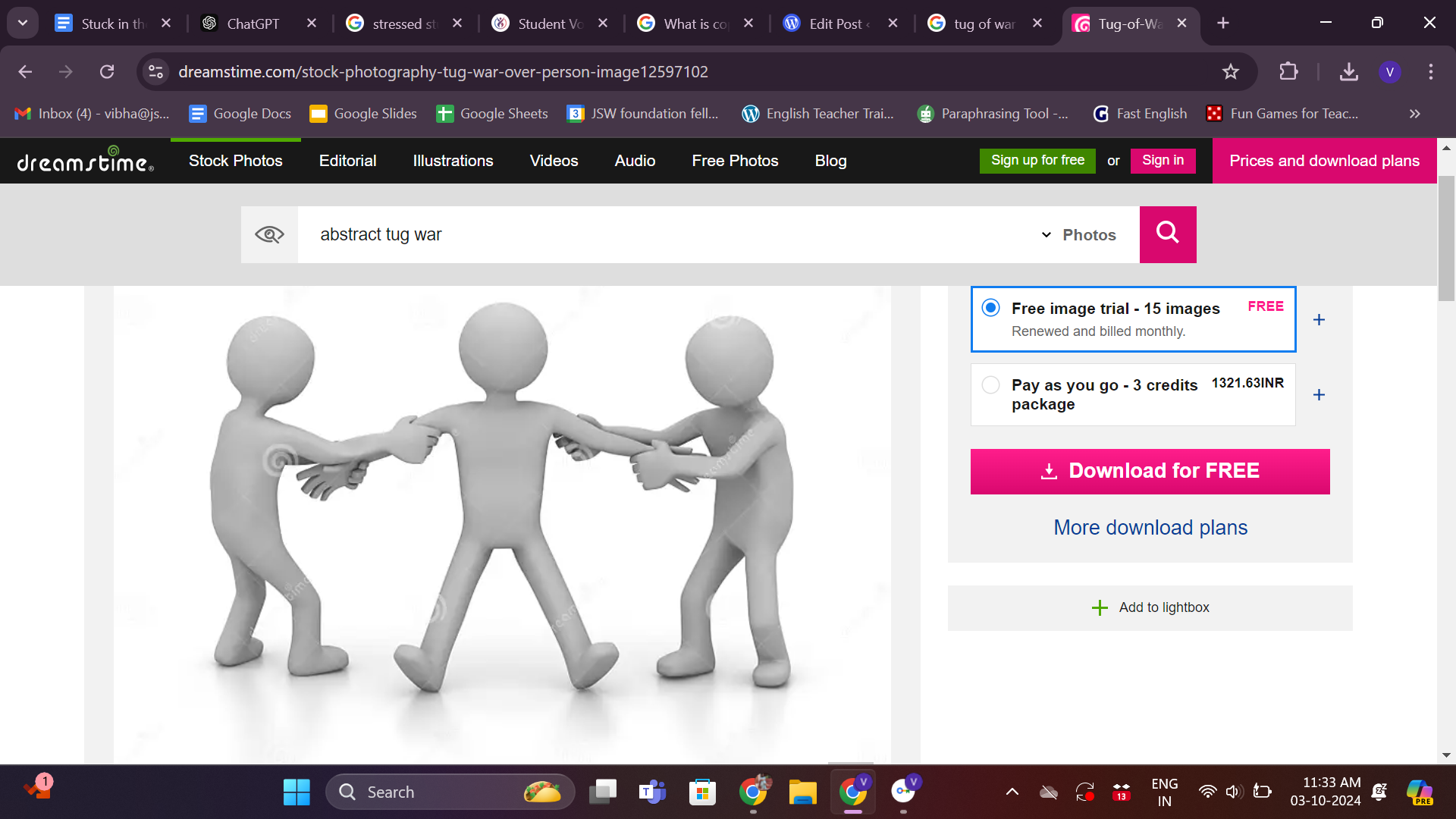
Those who call themselves neither extremists nor conservatives are the neutralists. Even the world divides itself based on ideology: the West and the East. And then there are those of us stuck in the middle of this intense game of tug-of-war, where one wrong move can lead to someone pressing the figurative ‘red button,’ sending a huge missile our way.
Being ‘grey’ or ‘neutral’ is like building a wall to shield oneself from the outside world. Most people condemn it as the ‘easy way out’ since you didn’t pick a side. But not picking a side is also a decision, and it comes at a great cost. In relationships, there’s always a good guy and a bad guy; nobody calls someone the grey guy! It isn’t a thing. People always say, “Pick a side, dude!” But not picking a side should also be considered a side, especially in this era.
What’s good about living on the edge of the cliff? Do neutralists enjoy any benefits? Does their moral compass guide them? Are they in a constant state of dilemma and uncertainty? Or are they easily swayed by either the black or white party? I can’t answer them all, but I would like to share how difficult it is to be grey and stay with the choices one makes.
Being neutral takes great effort to listen to both sides of the conflict and ensure that when a decision is being made, both ideas are given consideration and a compromise is reached.
I can tell you firsthand that being neutral in the social sector is extremely difficult. On one hand, I want to drop everything and help those in need. On the other hand, I don’t have enough funds, and even if I did, I couldn’t help everyone because at the end of the day, I have to look out for myself. So, what can I do? Pick and choose the causes I truly believe in and give to those who have absolutely nothing and no opportunity to improve their situation. If one really wants to help, it should be those who need it the most.
In the education field, I’ve come across two types of children: those who want to study but lack parental support, and those whose parents couldn’t care less if they study, reflected in their casual behavior. The teachers are the same. They successfully completed their master’s degree and got a government job, which is great! But when it comes to teaching, they overlook that aspect. It’s not their fault either. They have so many things to manage daily that teaching becomes their last priority. Government school teachers have ten different roles apart from teaching. Mid-day meal? That takes a huge space in their minds. Whether they have the budget, the ingredients arrived on time, the quality and quantity, if the SHG members have arrived, if there’s a good water supply to cook the food and much more! It’s amazing how they multitask, but the government needs to ensure these teachers aren’t burnt out and can actually spend time imparting knowledge to their students. Because what’s the point of infrastructure, smart boards, projectors, and TVs if there’s no electricity or if no one uses them?
So, how does being a neutralist in this situation help? Well, let me tell you, it’s not about being a mere observer or a passive participant. It’s about being a steady anchor in a stormy sea. You don’t have to dive headfirst into every wave to make a difference. Sometimes, the best way to incite change is to be a moral compass, guiding others to their own solutions rather than spoon-feeding them constantly.
Being neutral doesn’t mean being detached. It means being fair, empathetic, and practical. It means knowing when to step in and when to step back. If you get too involved, you might end up overwhelmed or biased. But if you maintain a balanced perspective, you can help others see things clearly and make better decisions. It’s a fine line to walk, but it’s worth it.
The best solution isn’t always the one you come up with on your own. It’s about helping others find their path and supporting them as they navigate their challenges. It’s about being a guide rather than a dictator. And trust me, that approach can make all the difference in the world.
In the end, being a neutralist is about embracing complexity and finding strength in the middle ground. I’m going to be honest, it’s not easy, but it’s a perspective that brings unique value to our polarized world. Currently, if I were to describe myself, I feel like the two balls on the extreme end of Newton’s Cradle. Moving from one extreme to the other whilst having multiple things in between. I want to try and stay still like the other balls in the center, where any momentum from external forces ensures that they are standing still and passing energy from one to the other without exerting oneself.
 iVolunteer Blog - everything about volunteering
One reply on “Stuck in the Middle: The Grey Life of Neutrals”
It’s perfect content for studying the “Greys,” with relevant examples provided to connect the dots. Indeed, it’s important to support or bridge individuals or communities.
LikeLike