In development practice, analysis often begins with numbers-coverage rates, compliance percentages, savings generated, and beneficiaries reached. During my fieldwork in rural Uttarakhand, I too worked within such frameworks, documenting kitchen gardens that had begun producing vegetables, recording the savings households generated through home-grown produce, and tracking postnatal mothers’ consumption of iron and calcium supplements.
However, it gradually became evident that quantitative indicators capture only one dimension of development processes.
What truly shapes development outcomes are the conversations that happen alongside the data collection ; the pauses, hesitations, memories, and explanations people share. These everyday conversations form what I have come to think of as informal oral archives. They capture how communities understand, negotiate, and sometimes reshape development interventions in their own terms.
When we initiated kitchen gardens with adolescent girls and households, the goal was straightforward: improve nutrition and promote sustainability. On paper, the impact could be measured in vegetables harvested and money saved. But in the field, the gardens began to mean much more.
One elderly woman shared that growing mustard greens again reminded her of how her mother once cultivated seasonal vegetables before packaged foods became common. A teenage girl proudly described the garden as “hers”, a responsibility that gave her a visible role within the household. For some mothers, harvesting spinach or radish was not just about savings; it was about having control over what their families ate.
These meanings are not easily captured in monitoring formats. Yet they are central to understanding impact.
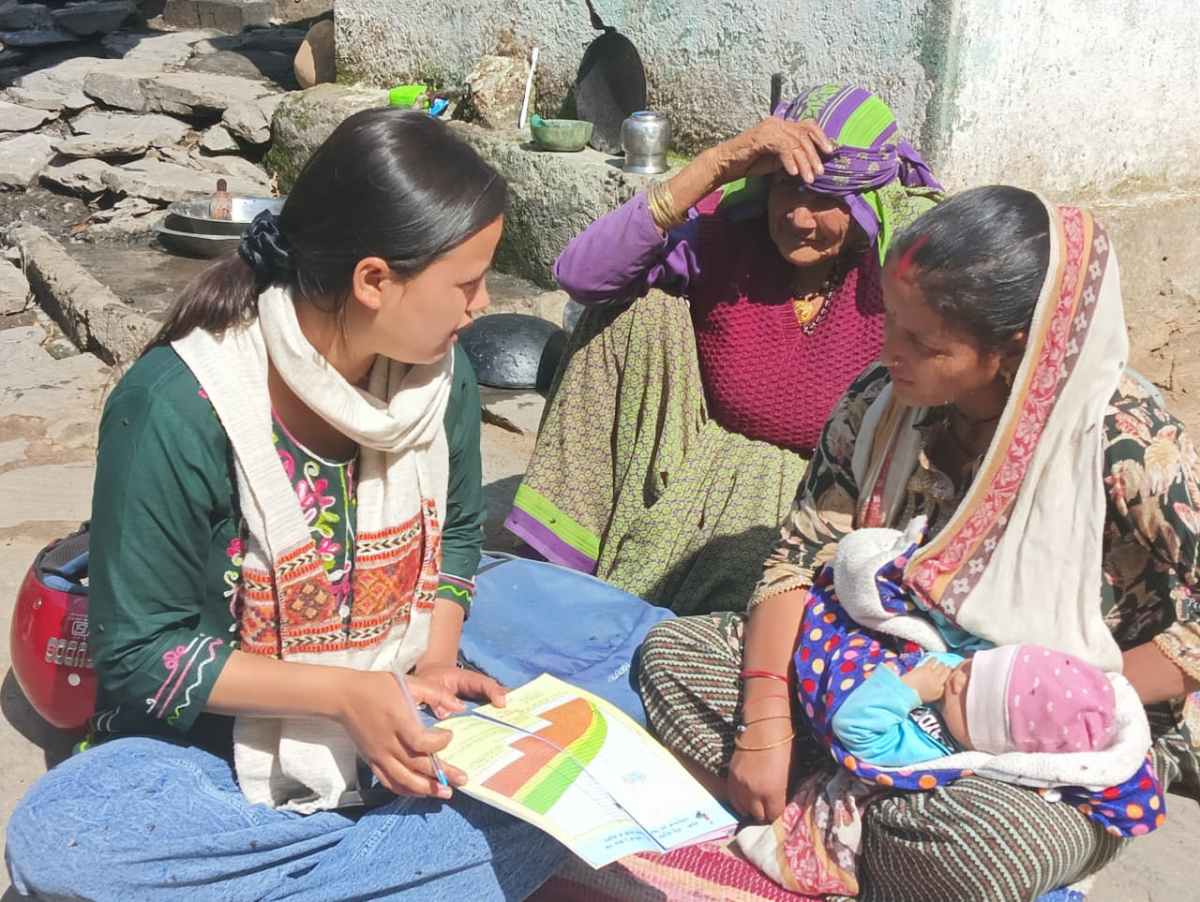
Similarly, while tracking iron and calcium tablet consumption among postnatal mothers, the data showed a common pattern: most women received the tablets, but fewer consumed them consistently in the first month. On paper, this appears as a compliance gap. In conversation, however, it unfolds differently.
Some women stopped because of perceived side effects. Others were advised by elders that supplements were unnecessary after delivery. A few resumed intake only after repeated counselling visits. What seemed like a simple behavioural issue was actually shaped by trust, generational advice, bodily experience, and household power dynamics.
These interactions gradually reshaped my understanding of development practice. Policy frameworks often assume that once services are delivered, they will automatically be utilised. Field realities suggest otherwise: every intervention enters an already existing social world structured by memory, belief systems, and relationships.
In this sense, rural communities are not passive recipients of schemes. They are active interpreters. They decide what to adopt, what to adapt, and what to question. A kitchen garden becomes sustainable not just because seeds are distributed, but because families find value in maintaining it. Iron tablet consumption improves not only because supply is ensured, but because someone takes the time to explain, reassure, and build trust.
This dynamic became particularly visible when supplement consumption increased after sustained counselling visits. While the improvement appeared as a trend in programme records, what remained most striking was a mother’s remark: “You explained it properly, so I started again.” That brief statement revealed something fundamental about development practice — its deeply relational nature.
Over time, my field notes began to resemble more than records of completed activities. They became fragments of lived experiences that helped explain why certain interventions succeeded while others encountered resistance. Taken together, these fragments formed an informal oral archive of development in practice.
Such narratives also expand how we understand impact. Development outcomes are not limited to measurable outputs achieved within a specific timeframe. They also include subtle shifts in awareness, confidence, and ownership that gradually reshape everyday practices but may remain invisible within formal reporting structures.
From kitchen gardens to counselling sessions, I have learned that development is slower and more complex than frameworks often suggest. It grows through dialogue, repetition, and trust. It requires listening as much as implementing.
Ultimately, development is not only implemented through programmes and policies; it unfolds through relationships, conversations, and trust. Recognising and documenting these everyday narratives enables us to better understand how communities engage with interventions and how development initiatives can become more responsive to lived realities.
If data provides the evidence of change, rural narratives provide its meaning. Bringing the two together allows development practice to move beyond measurement toward a deeper understanding of transformation.
 iVolunteer Blog - everything about volunteering