
We have all heard of notorious capitalism, infact we have lived it. While buying groceries from Dmart or BigBazaar, you get a huge discount on the MRP – from cosmetics to clothing, from groceries to cutleries, toys and etables, everything we see on the four floored building in an acre of land, attracts us more. Packaging so sharp, the price so cheap, and yes the pressure too to take benefit of deals and discounts. We have got an easy deal, but when we stop to ask deeper questions, who pays the upfront cost, how is such a huge discount possible, does it compromise on quality, does it benefit me or benefit the company? We seldom get answers from these big corporates.
The answers exists only when we do not see a corporate functioning in silos, but rather compare them with alternatives of enterprises called social enterprises. They are not legally defined as a separate entity in the company’s act. They are generally registered as private limited companies or a LLP, or a section 8 company, registered as society or trust. The value in being a human is able to feel emotion, empathize and solve for a cause beyond legal definitions. The concept of Social Enterprises is such a value, building a more humane world for all by solving complex social, economics and environmental problems and creating value for all stakeholders in the process of development. They are revenue generating businesses where profits are invested back to further the cause and not limited to self and shareholders.
But what differentiates an enterprise from a social enterprise?
It’s the intent, the course of action and the underlying ethics. For social enterprises their mission remains consistent even when they prosper or profit from their venture. They are consistent with the “why” of their beginning. One very recent example Open Ai – that began as a non-profit research entity for the betterment of human kind, but was restructured in 2025 into a for-profit public benefit corporation. Microsoft – a for profit entity holds 27% stake, while Open ai foundation holds a 26% stake in the new structure. This is how structure changes because of many challenges (which I’ll be writing in next blog).
More Indian and more known examples – the Micro Finance Institutions (MFIs) in India started as a not-profit entity backed by principles of social enterprises and once profited huge, turned to for profit companies. On the contrary Rang De – a peer to peer social investment platform – empowering rural entrepreneurs while creating meaningful returns for the investors has set a good working example of social enterprises.
So what are these ethical differences between social enterprises and enterprises?
The first and the foremost ethics social entrepreneurs hold is the absolute commitment for a cause and not just a deficiency in the market, but a socio, economic and environmental needs for certain sections of society. Many corporates just see an enterprise fulfilling a gap in the market and almost all their operations benefits the market and the entrepreneur. In contrast, social entrepreneurs look after the beneficiaries and not just the consumers or the demand of the market.
They stand for the cause- enhancing the income of the communities, improving their livelihoods and lifestyles, reducing waste or recycling waste to make a better environment for living and a lot much. For example, ” India recycles “ a zero waste enterprise creating an affordable market for urban poor while promoting sustainability and social change. The entrepreneurs through support of volunteers organise recycled and reusable clothes shops in urban slums selling as low as Rs 10 bringing better living conditions for such underprivileged sections of society.
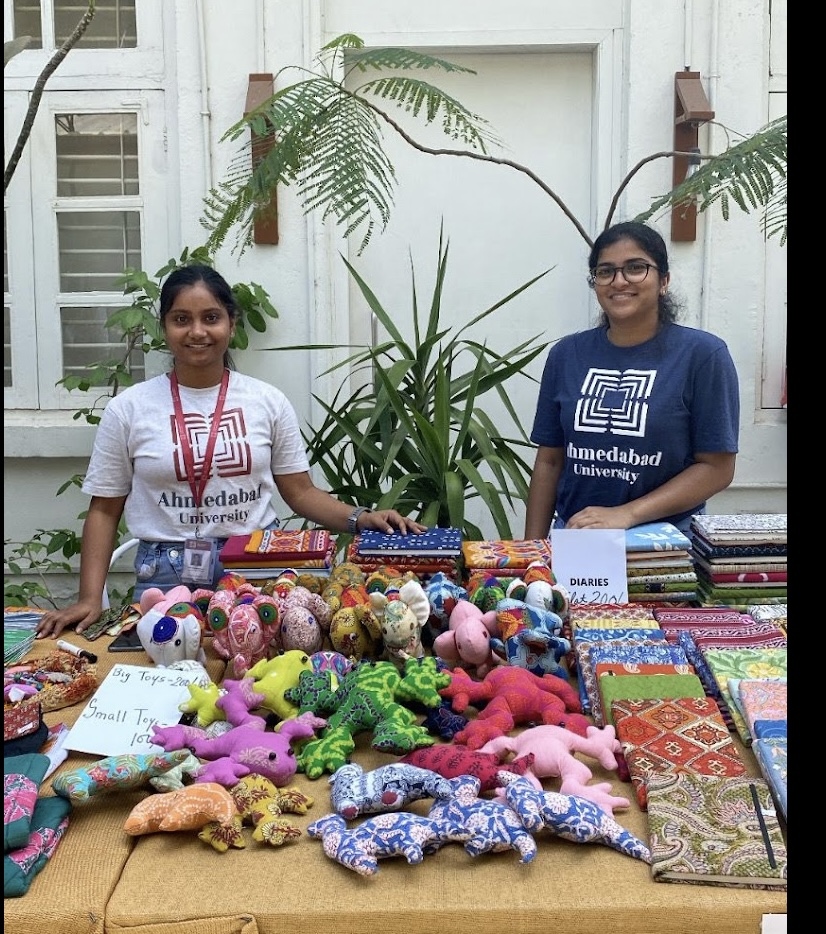
(picture: Exhibition by India Recycles)
Community ownership of the enterprise is a rare ethic found in corporates. They are actually enforced through rules like the Employee Stock Option Scheme (ESOP) where companies can issue shares to employees. Unlike them social entrepreneurs resort to community ownership of the venture. It’s a model where the community has major stakes in decision making. The social entrepreneurs excel not just in the business front but play a huge role in mobilizing the community, associating them with their vision, building capacity and developing leadership of the community, and onboarding them as a shareholder of the company. A very relevant example here is an initiative of Bastar se Bazaar Tak in Chattisgarh, where Satendra Singh Lilhare, a social entrepreneur has shared more than 50% stakes of the enterprise with the rural women and tribal communities. His vision of working for greater cause for enhancing livelihoods of the community in the bastar region and optimum utilisation of naturally available forest resources has built more than 100 women as micro entrepreneurs through his initiative.
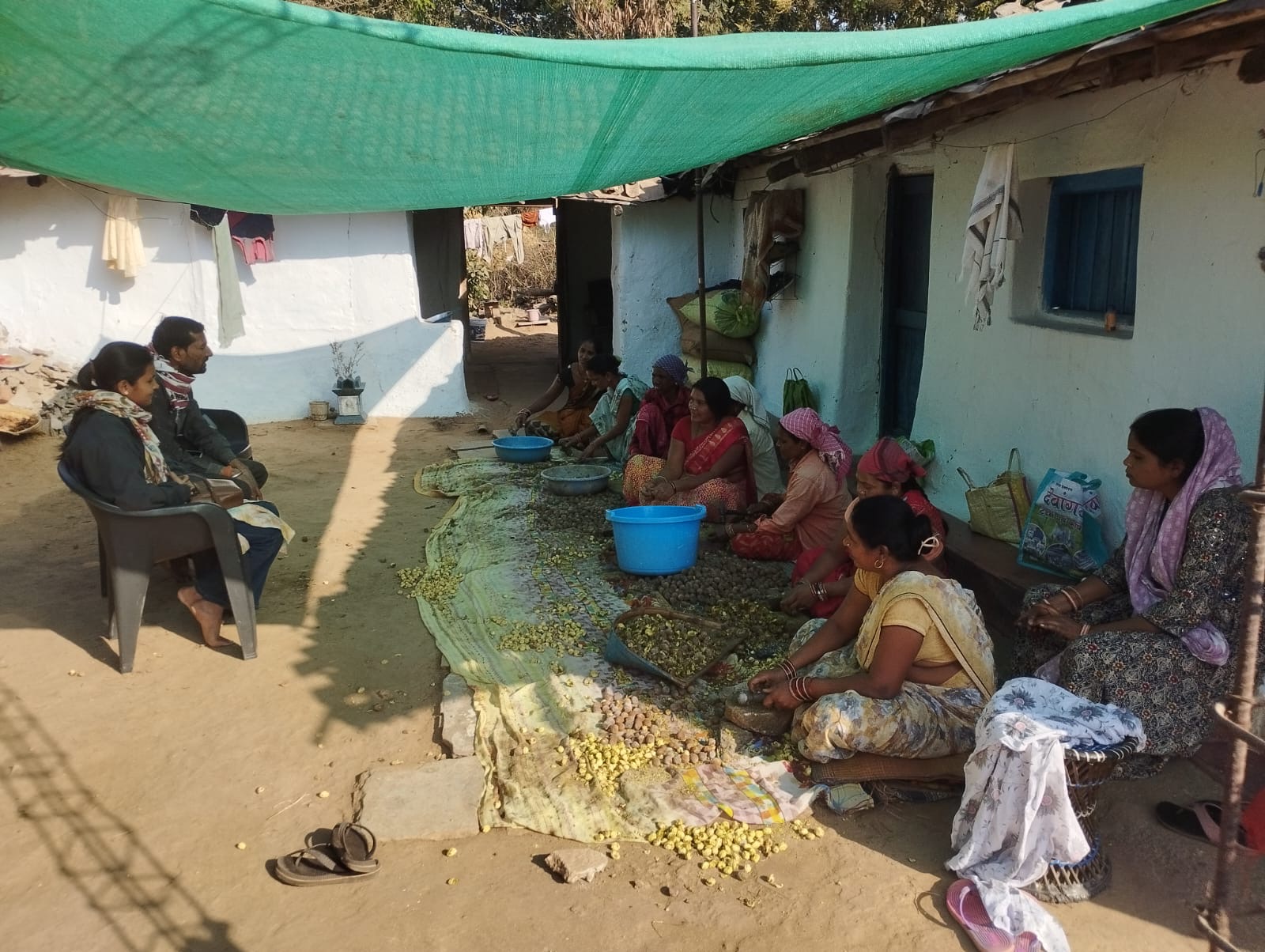
(picture: women processing harra and berra in Chattisgarh)
Social enterprises do not stand just on intent or the cause, or not just sharing the ownership but value in the operations, the action, the conduct of the entrepreneurs. Social enterprises stand by Accountability, Transparency, and Mutual Trust among all the stakeholders. This is not a one day phenomenon, but a series of repeated actions of the committed entrepreneur who stands by these values. They are brought into action through constant open communication with the community. It’s a both side effort of believing in the other side of coin, it’s about empathizing with the challenges of the community and practically solving for them. It means truthful sharing of information like market knowledge, financial of the company, the costs and the profits. This creates a credibility in the community for the founder and makes a strong grounding for the conduct of various activities be it entrepreneurial or social. Founders like Satendra Singh Lilhare – BSBT, Ramakrishna and Smita – Rang De have prioritised such values and stood by them even in the odd situation. They have strongly garnered the trust of the community they are working with.
Another ethical outlook of the social enterprises is fair sharing of profit. Social enterprises in their orientation do not corner all the profits for themselves and the shareholders. Their profit penetrates deep into the community. Social entrepreneurs do not believe in extracting maximum output from the labour or the community for a minimum compensation. Many a times, the work is incentivised and pay for the work is in accordance with the amount of work. This is in complete contrast with the corporates who generally reduce cost by cutting on wages, quality and quantity. By doing advance payments, on the basis of market price, aiding them in financial inclusion through cheque based payments, helping them avail many government schemes etc. are some of the approaches that social enterprises resort to enhance income and inclusion of the underprivileged communities.
The aspect of sustainability is one of the keystones of social enterprises. The circularity of the social enterprises distinguishes them from the mainstream corporates, who excuse their social and environmental responsibility. For example, India Recycles collects used clothes as donations from the societies and brings them to the common collection centre for recycling and then distributes them for a very nominal price to the needy. In a world where fast fashion is a trend and a huge amount of textile waste goes to skyscrapers of garbage, they brought sustainability in their actions. S4S Technologies uses solar conduction dryers for dehydrating perishable fruits and vegetables, reducing waste and providing secondary processing services. Sampurn(e)arth focuses on converting organic food waste into compost, addressing urban sanitation and waste management. They focus not on mass consumption but the aspects of zero waste and recyclability.
There is much more to cover about my understanding of social enterprises about their issues and the challenges they face, their success and thriving stories, which I would be coming up with in next blog. Till then lets connect on comments to exchange successful stories of social enterprises.
 iVolunteer Blog - everything about volunteering