
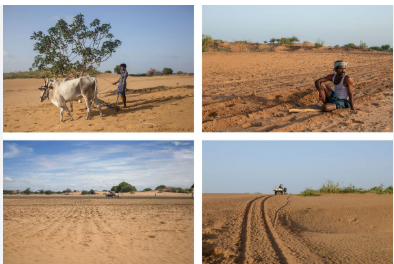
For decades, the name Anantapur District in Andhra Pradesh evoked images of drought, struggling farmers, and parched landscapes. With one of the lowest average rainfall levels in India, scorching summer temperatures, and severely over exploited groundwater resources, agriculture here often felt like a gamble against nature. Farming families lived with constant uncertainty, never knowing if the rains would arrive or if their crops would survive another season.
For generations, farmers relied heavily on rain-fed groundnut cultivation. But recurring droughts and unpredictable monsoons frequently led to crop failures. As debts accumulated and incomes shrank, many farmers were forced to migrate seasonally in search of work. Agricultural experts even described the district as the “Second Rajasthan” or the “Rajasthan of South India.” It was widely believed that the harsh climate would forever limit agricultural prosperity in the region.
But Anantapur refused to surrender to fate. Instead, it chose transformation.
The Water Revolution
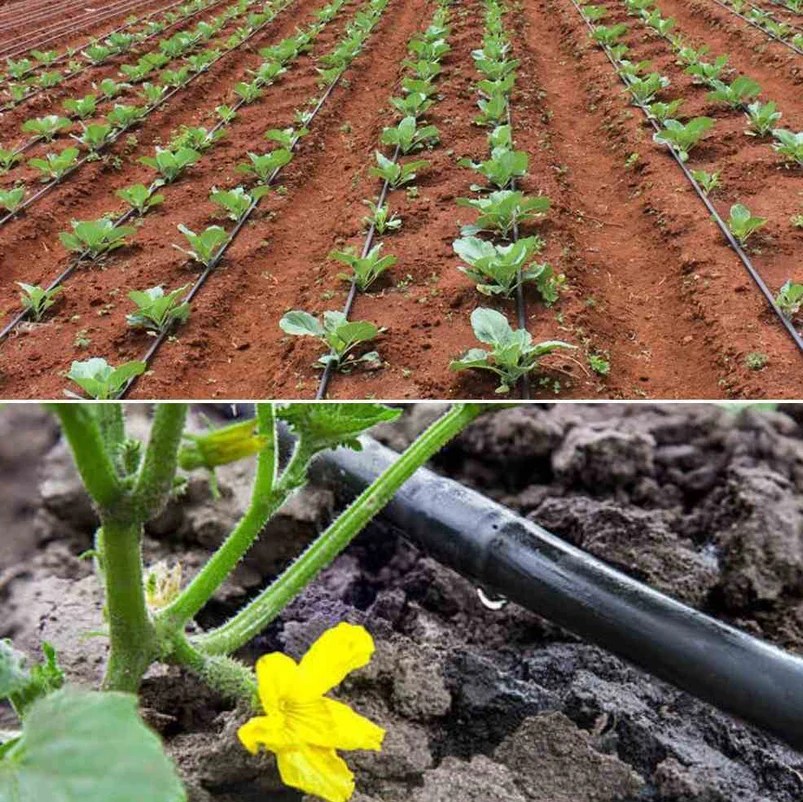
The turning point began with the widespread adoption of micro-irrigation and water conservation technologies. Farmers gradually started implementing drip irrigation, sprinkler systems, mulching techniques, farm ponds, check dams, and rainwater harvesting structures.
These innovations dramatically improved water-use efficiency. Farmers were able to reduce water consumption by nearly 50–60 percent while maintaining and in many cases increasing crop productivity.
Government programs such as the Pradhan Mantri Krishi Sinchayee Yojana played a crucial role in supporting the expansion of micro-irrigation infrastructure. Over time, the impact became visible across the landscape. What was once considered an agriculturally hopeless district began to rewrite its story.
Today, Anantapur stands as the second-largest district in India in micro-irrigation coverage, demonstrating how smart water management can transform even the most water-scarce regions.
The Rise of Horticulture
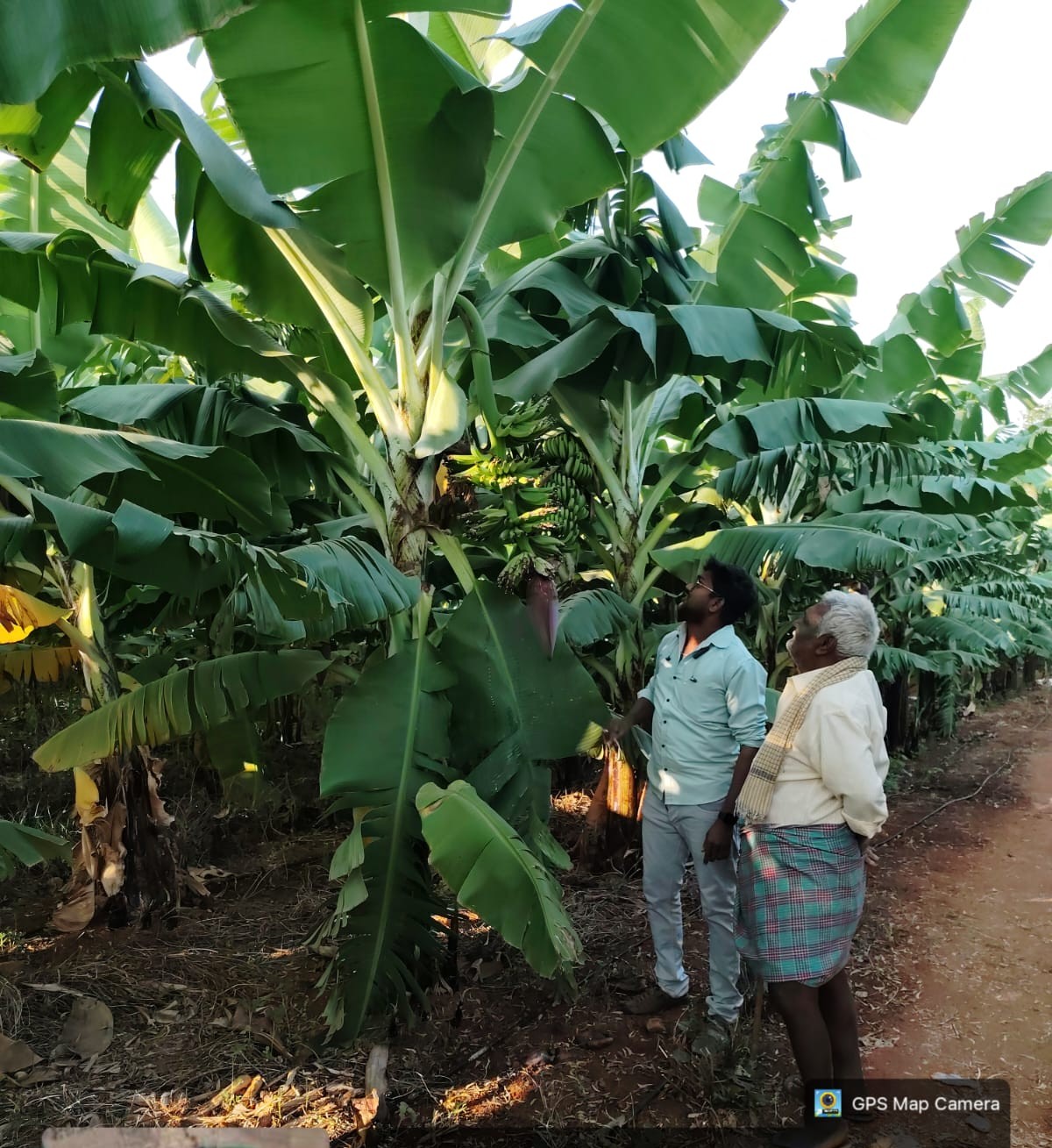
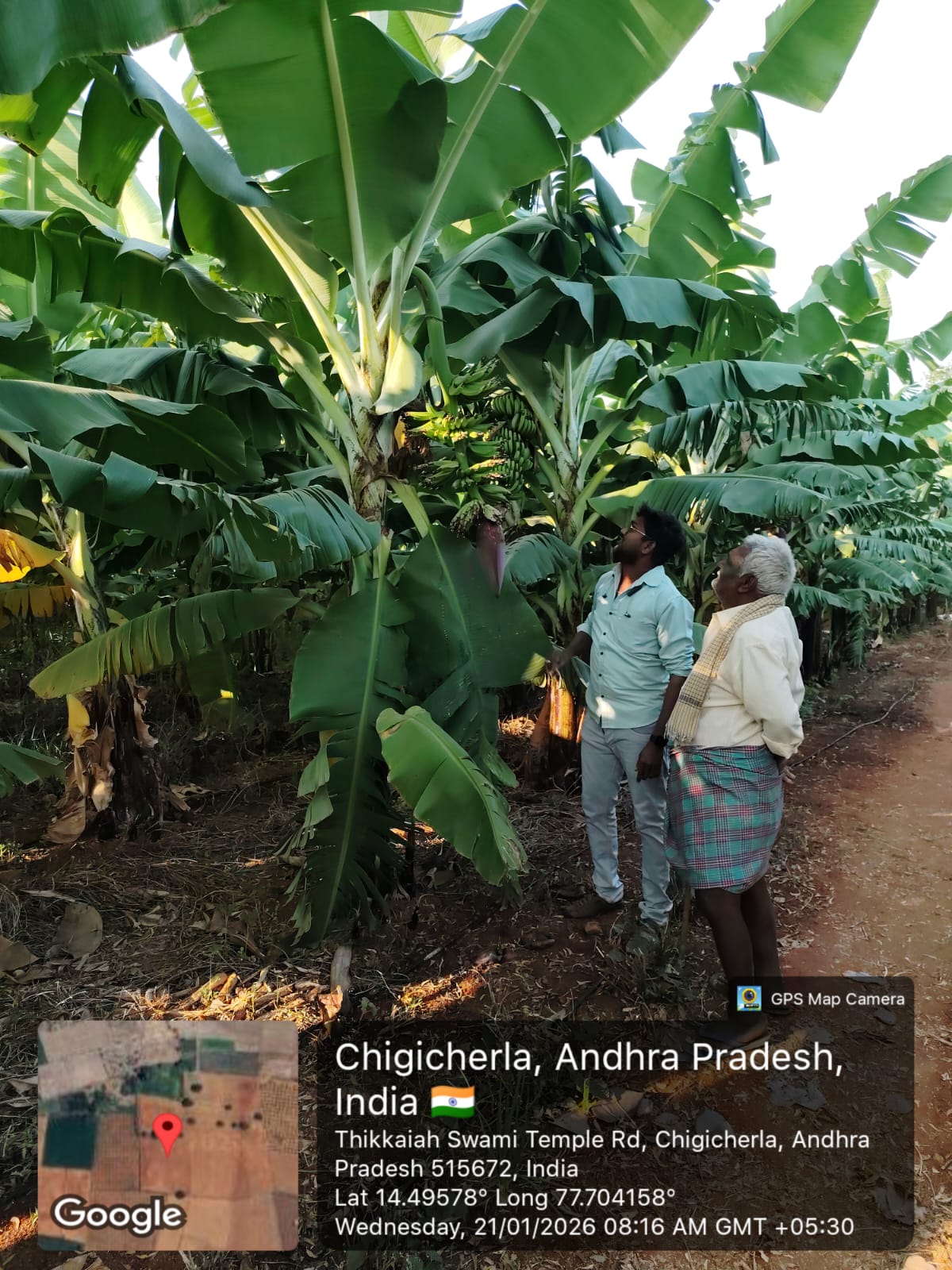
With improved water management came new possibilities. Farmers began shifting from low-value, risk-prone field crops to high-value horticulture cultivation. Slowly but steadily, orchards began replacing dry fields.
Anantapur soon gained a new identity as the Fruit Bowl of Andhra Pradesh. The district now produces a wide variety of fruits including grapes, watermelons, mangoes, sweet oranges, bananas, pomegranates, and papaya. These crops supply markets across India and even contribute to export supply chains.
Where barren fields and dry winds once dominated, green orchards now stretch across the horizon living proof that resilience and innovation can overcome environmental limitations.
Institutions that Empowered Farmers
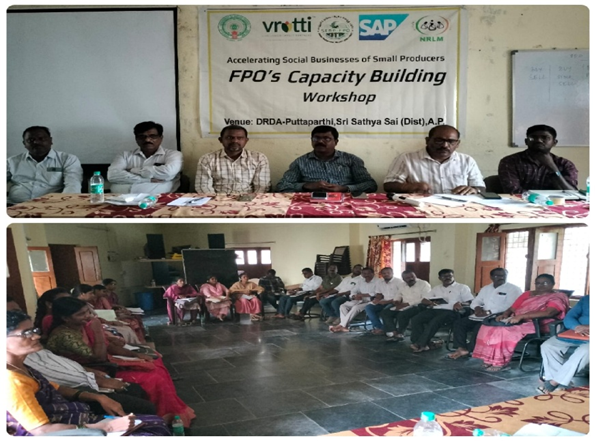
This transformation did not happen by chance. It was the result of collaboration among multiple institutions that supported farmers at different stages of change.
Government initiatives, horticulture missions, and technical guidance from Krishi Vigyan Kendra centers helped farmers adopt modern agricultural practices. Non-governmental organizations and development institutions further strengthened capacity building and knowledge dissemination.
Equally important was the emergence of Farmer Producer Organizations (FPOs). These collective institutions helped farmers access quality inputs, adopt improved technologies, and connect with larger markets. By working together, farmers gained stronger bargaining power and greater confidence to invest in horticulture.
The shift from individual survival to collective growth played a crucial role in accelerating agricultural transformation.
Impact Beyond the Farm
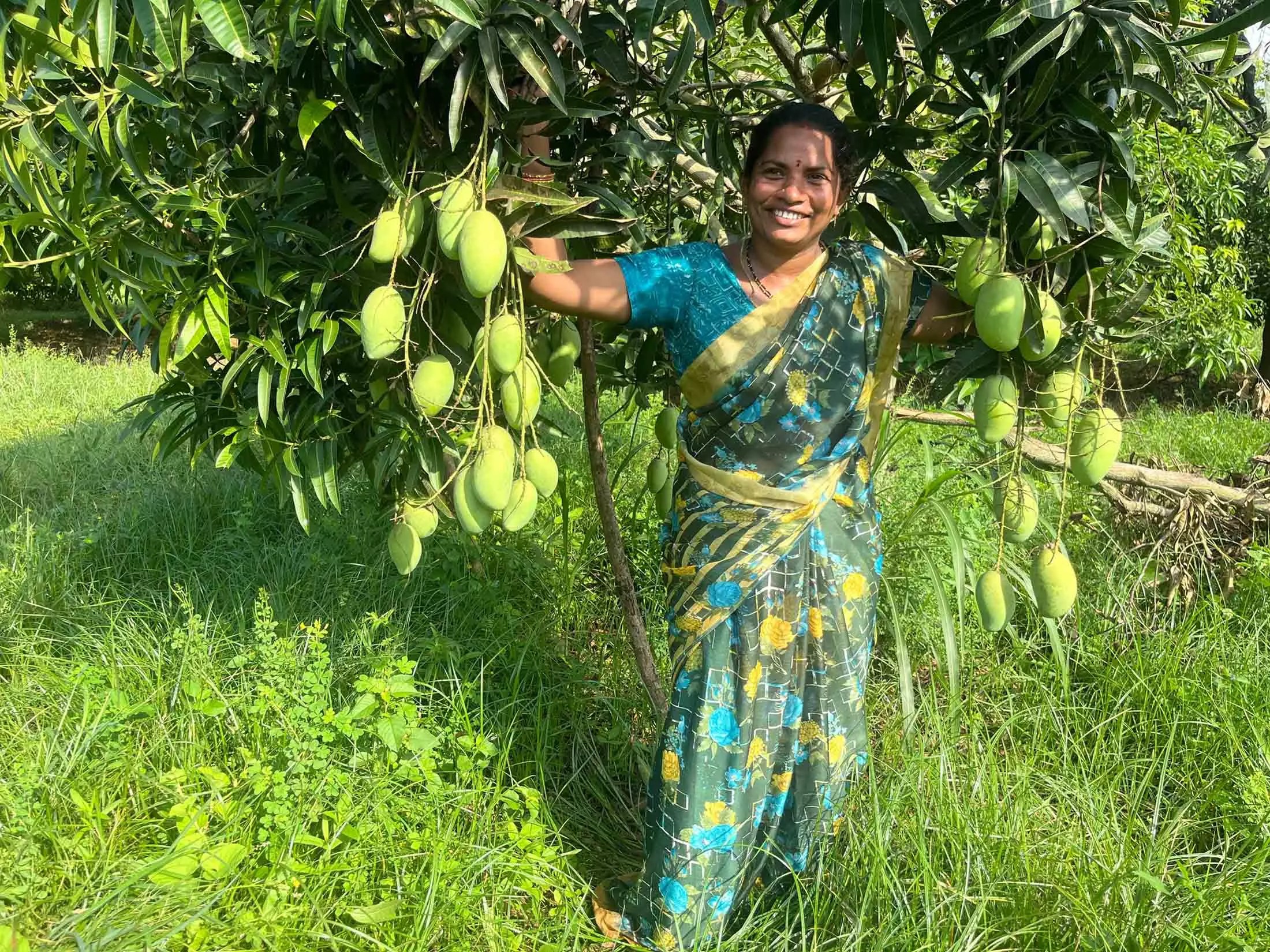
Farmers’ incomes have increased three to five times in many horticulture clusters. Distress migration has declined as agriculture once again became a viable livelihood. Many rural youth, who once sought opportunities in distant cities, are now returning to agriculture with renewed optimism.
Women have also gained stronger economic roles through participation in FPOs and value-addition activities. Agri-entrepreneurship is emerging across villages, creating new opportunities in processing, marketing, and supply chains.
Environmental benefits are equally significant. Improved irrigation efficiency has reduced groundwater stress, while horticulture plantations have increased green cover and improved soil health. Together, these changes have strengthened the district’s resilience to climate variability.
A Lesson for Water-Scarce India
The story of Anantapur demonstrates a powerful lesson: even the driest landscapes can bloom when innovation, policy support, and collective action come together.
What once seemed like an impossible challenge has become a model for climate-resilient agriculture. Anantapur’s journey from drought to prosperity is not just a regional success story , it is a blueprint for many water-stressed regions across India.
Conclusion: A Development Story Still Being Written
For me, working in this landscape is more than a professional assignment.It is a front-row seat to a quiet rural revolution. As part of the efforts to strengthen farmer collectives, promote value addition, and build resilient agricultural systems, I witness every day how farmers are rewriting the future of this region with determination and hope.
The transformation of Anantapur District reminds us that agricultural development is not only about increasing production; it is about restoring dignity, rebuilding livelihoods, and empowering communities to shape their own future.
This journey is still unfolding and as farmers continue to innovate, collaborate, and lead change, Anantapur stands as a powerful reminder that sustainable agriculture can turn even the harshest landscapes into thriving ecosystems of opportunity.
 iVolunteer Blog - everything about volunteering