
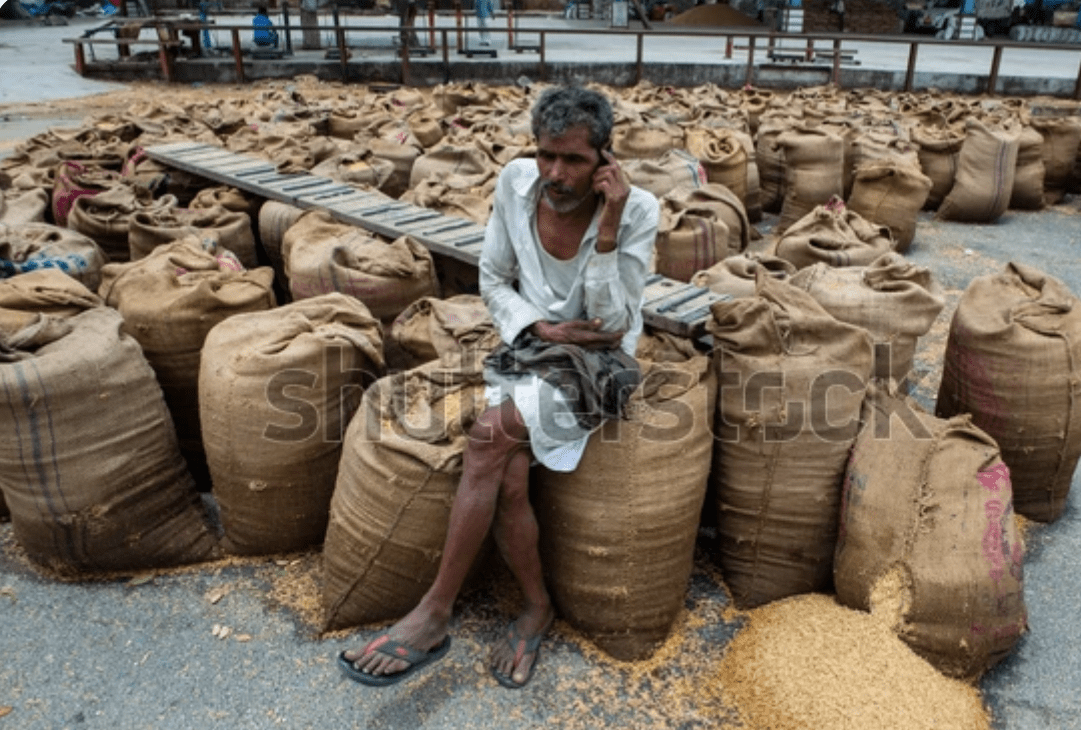
India proudly calls its farmers Annadata, the givers of food and life. The word carries deep respect and cultural meaning. It reflects our belief that farmers sustain the nation and nourish every household. But beyond speeches, slogans, and festival greetings, a difficult truth remains. In reality, farmers are often respected in words but neglected in life.
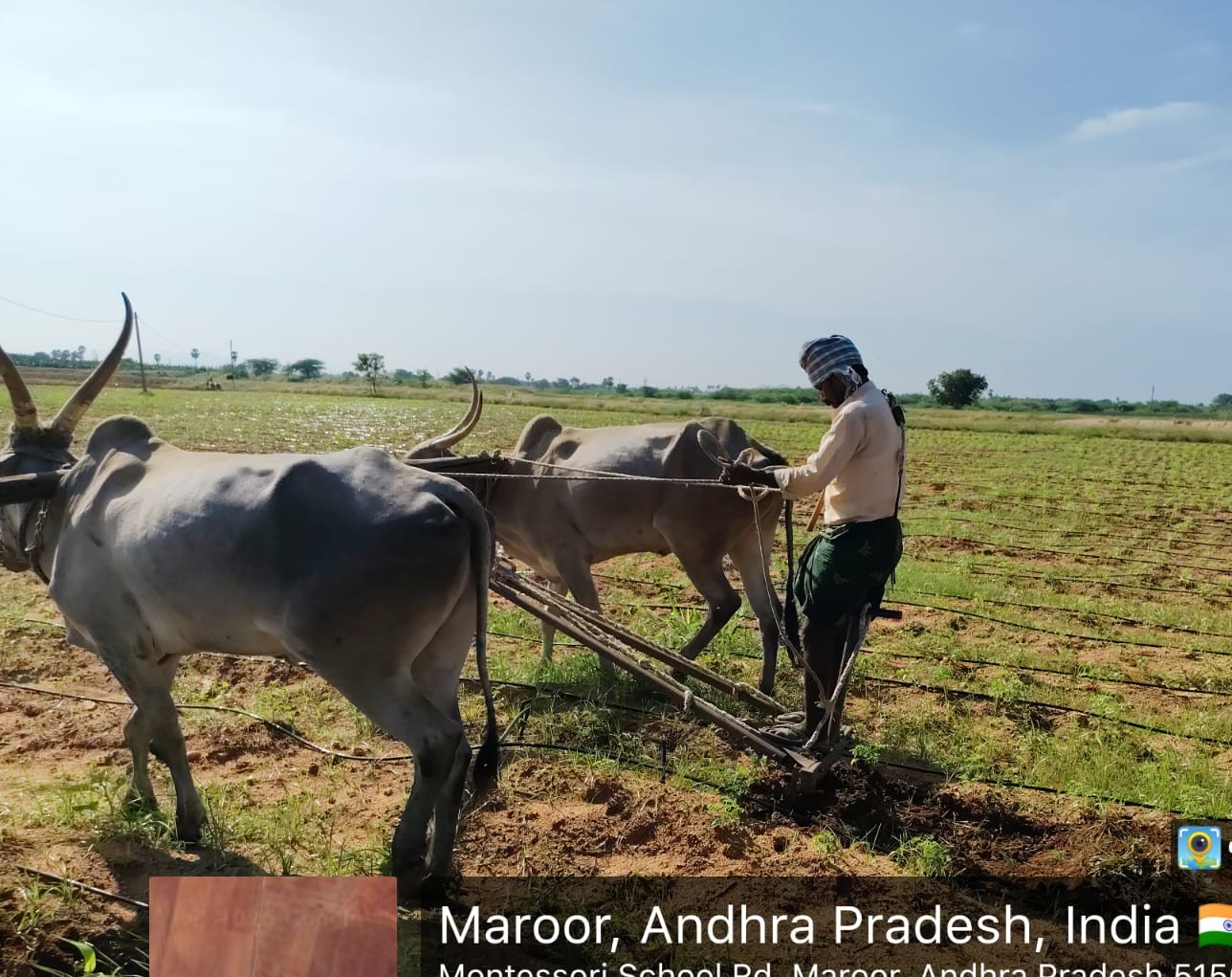
From sunrise to sunset, farmers work tirelessly to feed millions
For centuries, farmers have been the backbone of Indian civilization. Agriculture shaped our economy, culture, and rural identity. Villages grew around farms, and communities celebrated the rhythm of the seasons. Festivals like Pongal, Baisakhi, and Makar Sankranti celebrate harvests and prosperity. Yet while we celebrate the crops, we often forget the people who grow them.
As society modernized and urbanized, the connection between people and the soil slowly weakened. Today, millions enjoy food on their plates without understanding the struggles behind it. A farmer wakes before sunrise, works under scorching heat, faces unpredictable weather, and still ensures that the nation never goes hungry.
However, the challenges faced by farmers today are more complex than ever before. Climate change has turned agriculture into a risky gamble. Unseasonal rains destroy standing crops, droughts dry up fields, floods wash away months of hard work, and pest attacks can ruin an entire harvest overnight.
For a farmer, a year of effort can collapse within a few days of natural uncertainty.
Economic pressures make the situation even more difficult. The cost of seeds, fertilizers, labour, and irrigation continues to rise every season. Yet farmers rarely have control over the price they receive for their produce. Markets fluctuate unpredictably, minimum support prices cover only a few crops, and middlemen often take the larger share of profit.
In many villages today, agriculture no longer feels like a secure livelihood. The fear of crop failure, rising debts, and unstable markets has forced many farmers to leave their lands and migrate to cities in search of small jobs.
This reality is not distant, it is visible around us every day.
Even in the apartments, where I visited, I see this truth clearly. From the cleaning staff to the watchman, many of them were once farmers. They left their villages because agriculture was no longer giving them a reliable income.
One person I know personally once cultivated nearly twenty acres of land. In those days, farming was done with bullocks and traditional methods. Agriculture was difficult but still provided dignity and livelihood. Today, that same farmer works as a security guard in the city and earns around ₹11,000 per month.
Just think about that situation : A person who once cultivated twenty acres of land is now guarding a building for a small salary. This story reflects a deeper crisis in agriculture. Ironically, even someone who owns twenty acres today is not guaranteed a stable income equal to that ₹11,000 salary.

If we listen to stories from different villages, we will hear countless experiences like this. In many areas, the shortage of water has made it difficult to grow traditional crops such as paddy. Farmers shift to crops like cotton, which require heavy use of chemical fertilizers and pesticides.
Over time, these chemicals damage soil fertility and increase the cost of cultivation. They also affect farmers’ health and reduce the natural quality of the food we consume.
Meanwhile, a silent transformation is taking place in Indian agriculture.
Young people are gradually leaving farming. Not because they disrespect agriculture, but because it has become economically uncertain and socially undervalued.
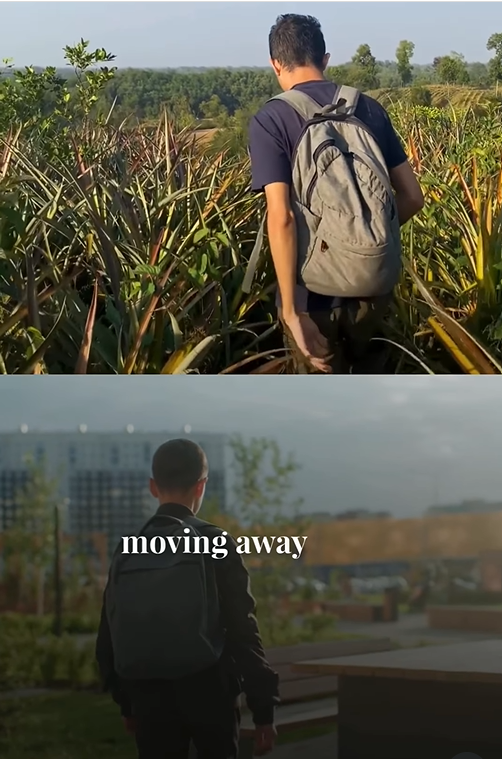
What remains is an ageing farming population, with women quietly holding the system together. Across rural India, women are taking greater responsibility in cultivation, livestock care, and household food security. The greying of agriculture is increasingly becoming the feminisation of agriculture a change that deserves serious attention.
This raises a critical question for all of us: If the next generation does not want to farm, who will grow our food tomorrow?
The answer cannot come from farmers alone. It must come from society, institutions, and policymakers together.
Farmers do not seek sympathy. They seek dignity, fair prices, better market access, and strong policy support. Farming is not backward work it is a combination of science, technology, risk management, and resilience.
A farmer’s sweat is not ordinary labour. It is the foundation of food security for an entire nation.
India must remember this simple truth: every profession ultimately depends on agriculture. When farmers are respected, supported, and empowered, agriculture becomes a profession of pride rather than struggle.
Because when farmers stand with dignity, the nation stands strong.
 iVolunteer Blog - everything about volunteering