It is the month of June 2025, and monsoon is at its peak. Landslides have become frequent in the news, and I am in Pithoragarh conducting a survey of Udhyam Entrepreneurs. For this, my organisation gave me a list of the funded entrepreneurs, 90% of whom were men. And out of those 10% which had names of women, it seemed like some of them were entrepreneurs only on paper. Then I heard the entire story.
Saroj Bhaiya is a vegetable vendor who grows vegetables in his polyhouse, but he was also a farmer. I asked him how he managed both these activities, to which his reply was, “I don’t manage all the activities. I only go to the market and sell the vegetables. Everything else is taken care of by my wife. She is the one who manages the vegetables.” But he was the one whose name was officially on the business.
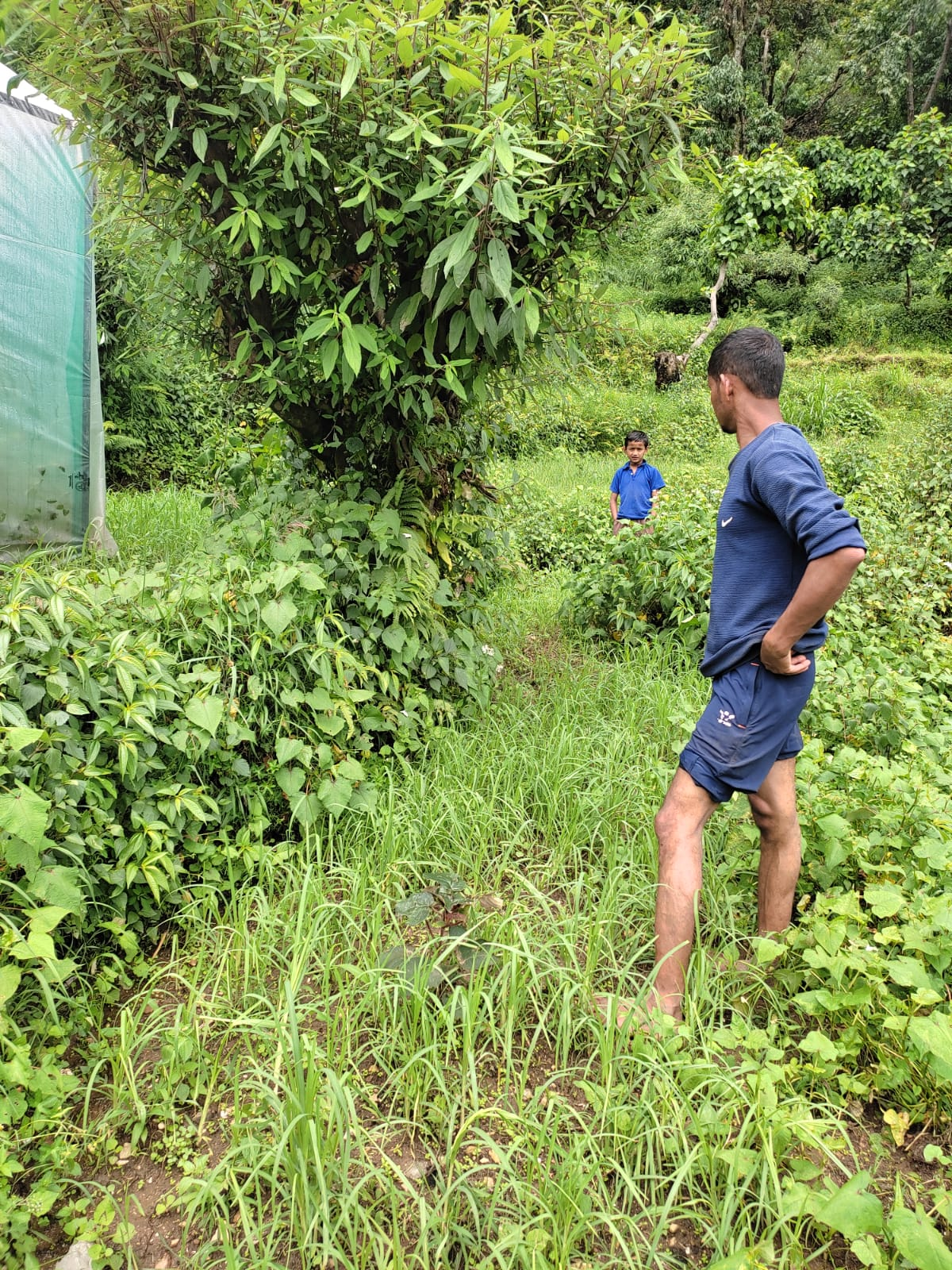
Pic1: Vegetable Farm of Saroj Bhaiya
In the second case, it was a shop of garments and a tailoring center owned by a Rani Didi in Bangapani, a small, budding town with a very weak network. When I went there for the survey, she was at the shop. My boss especially asked me to visit her, mentioning her as a shy woman. She was already at the shop waiting for me, and an exchange of greetings happened between us, followed by me asking her many questions from my survey. She answered all my questions about the business, but when I asked her about the finances, such as monthly revenue, monthly expenditure, profit, and initial investment, she was unable to provide any information. So, I marked them as blank.
After the survey, I asked her on a personal level why she did not know all these things. She said, “Bhaiya (her husband) does share things with me, but I am not much into that. He does tell me, but I do not understand those things, paise, waise ka sara kam wahi dekhte hai, mai nahi padti un sabhi cheezo me.”
I also met two really inspiring women, Saroj aunty and Prema didi, both of them were of the same age, in their late 40s, and at this age, both of them decided to come out of their otherwise comfortable lives and do something for themselves.
Prema didi began her entrepreneurial journey at a point in life when she was married and a mother of two sons, when most of us are like, “its too late to restart”. But she did it at that point. Initially, her husband was apprehensive about her work, but when he saw the return in the business, his word are like “Tum jake dukan sambhalo mai bacho ka tiffin bana lunga.” (You go open the shop, I will handle everything at home).
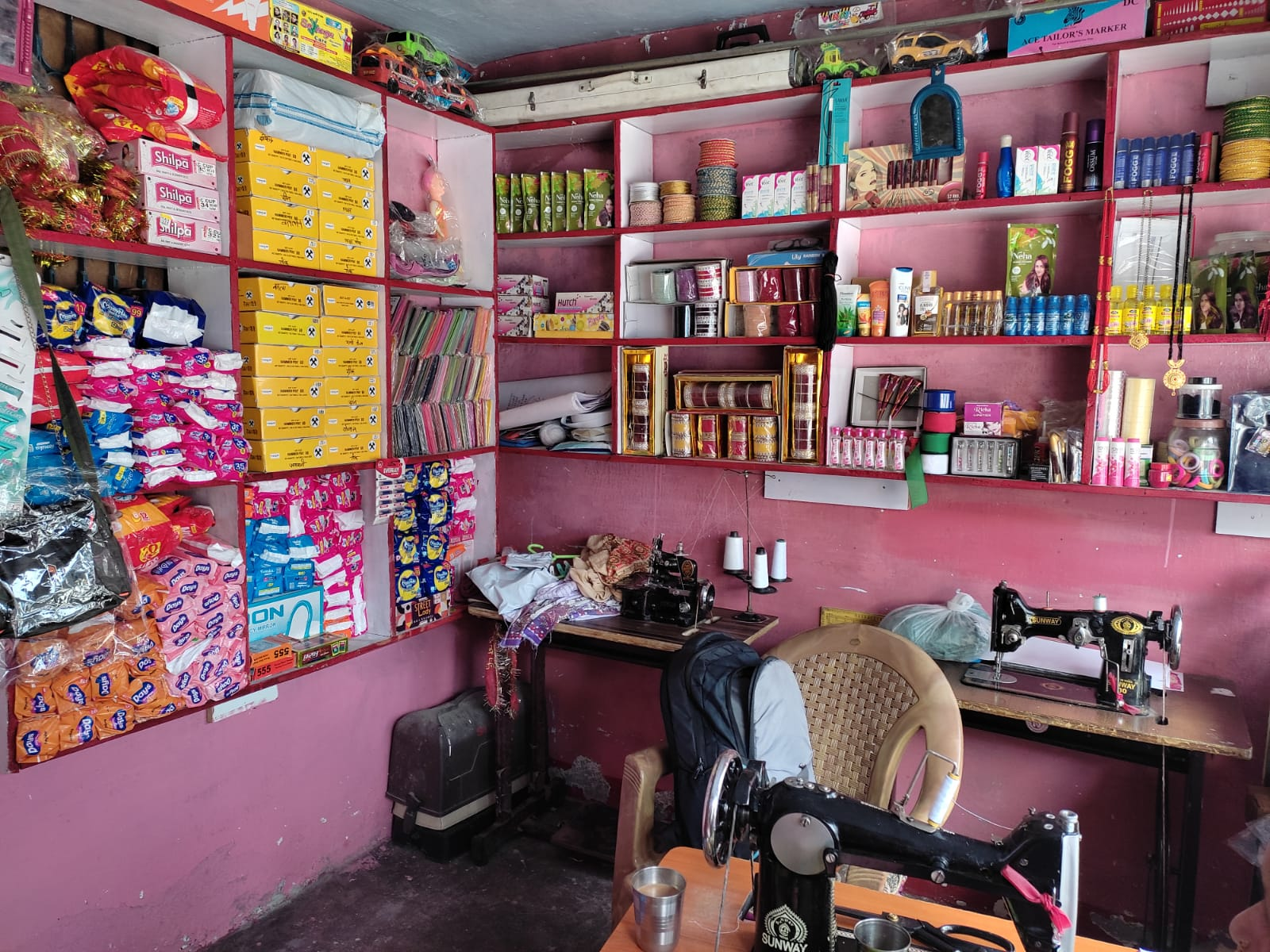
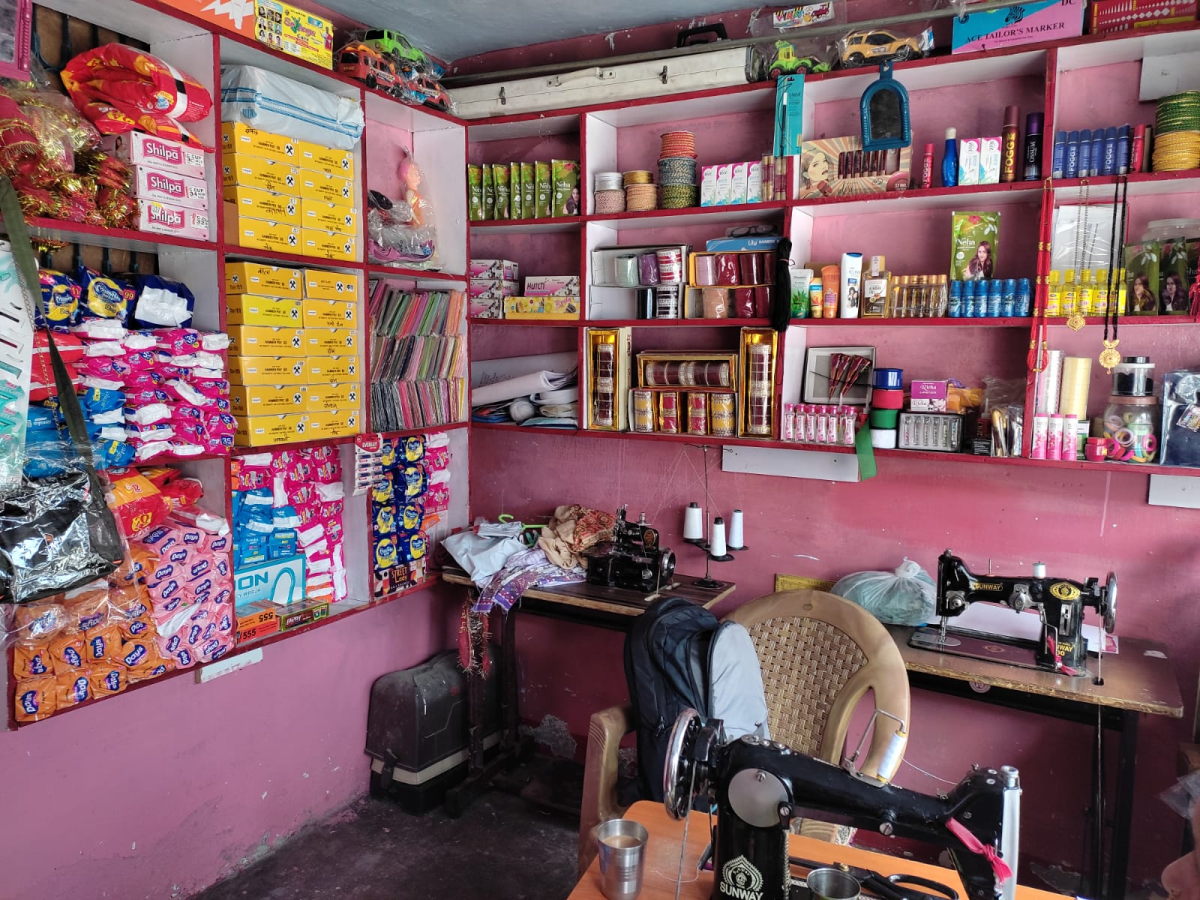
Pic 2: Prema Di’s Shop
I am not comparing these two cases; I am not terming them as right or wrong. My point is that they made me question whether empowerment must always look like visibility and financial control or whether it must begin with awareness and choice.
When I started my fellowship, I was thinking that I have to empower women economically, bring them to the forefront of the business, but are they all feeling it in the same way as I am? Are they willing to come out of their decade old setup, and even important question is, are they all feeling any need for such empowerment in their lives? Or it’s just that we in the development sector roam around with the lens of creating a need where it is not needed at all.
At the end, as a woman in my early 20s, I am shaping the picture of society in my brain book through these kinds of interactions and encounters, which provokes me to question the lines I read in books and in training sessions about the ground reality when I actually hit the reality.
 iVolunteer Blog - everything about volunteering