
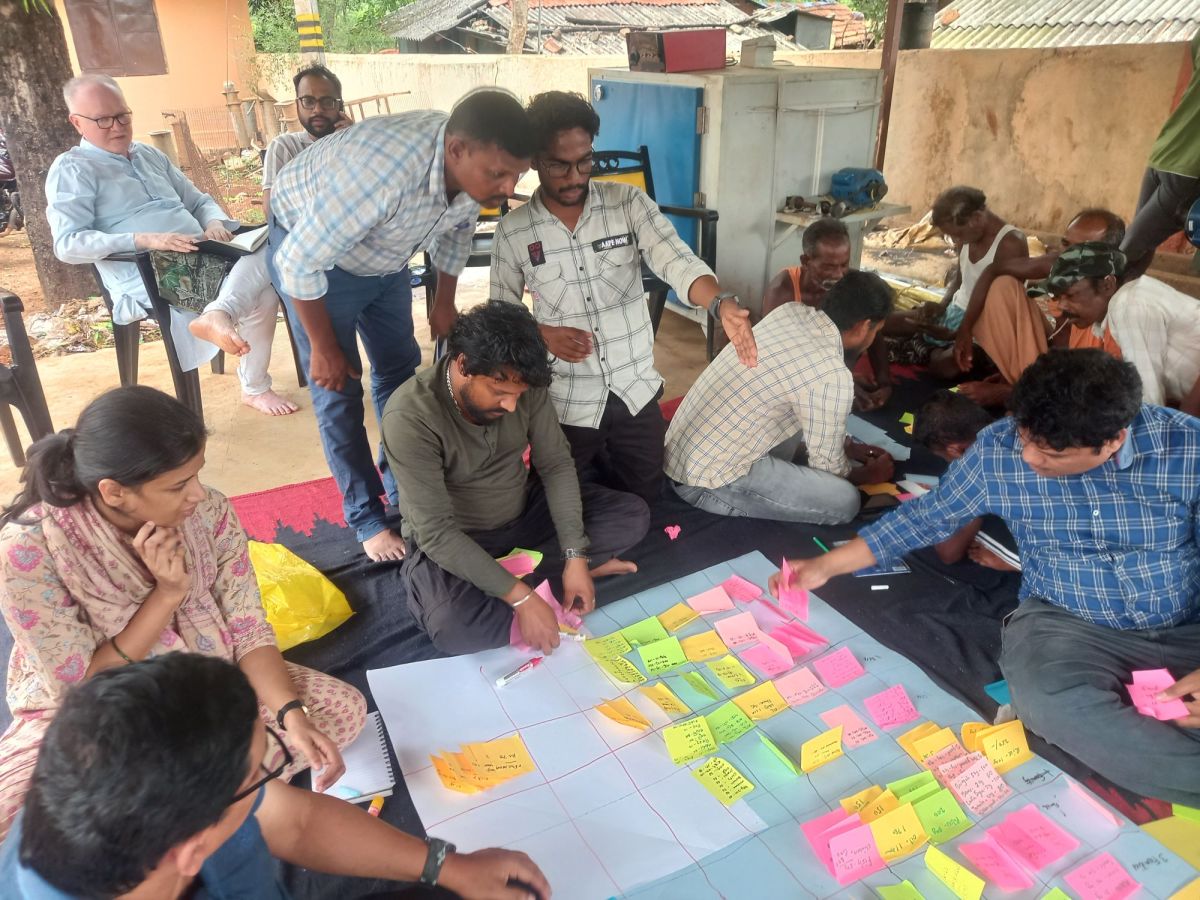
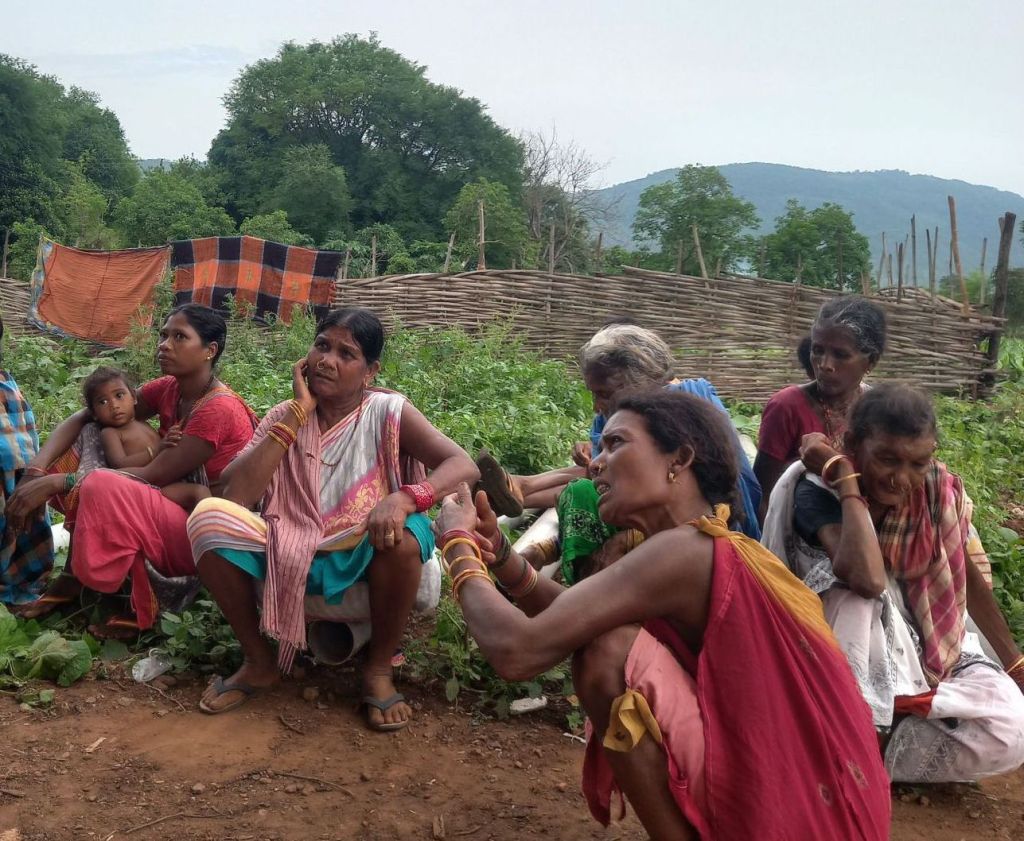
Are you from a small village or town? If yes, do you have even a rough idea about the collective expenses of your community? I guess no! Sits together and calculates it once, you will be startled.
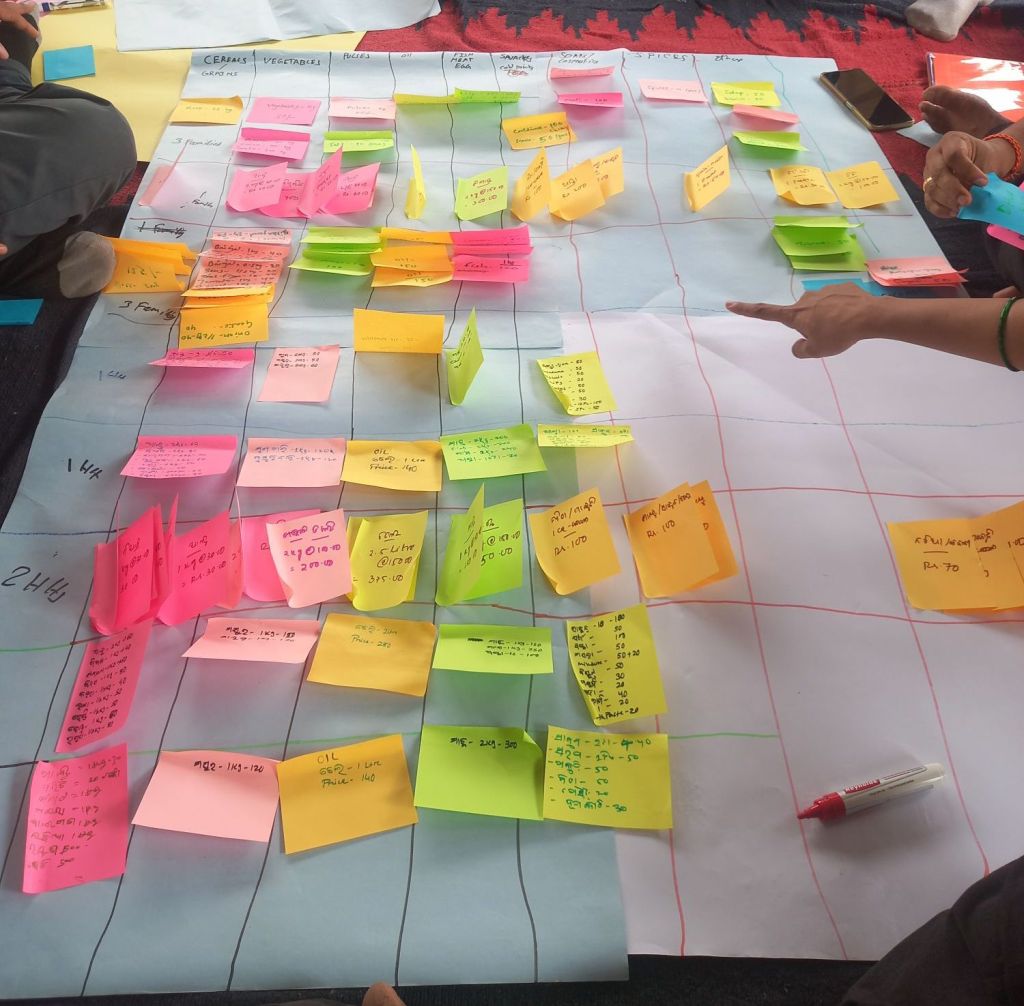
When the people of a small village named Papadmela in Odisha’s Malkangiri district went to calculate this, they were shocked. Meena, a middle aged woman, suddenly shouted in the middle of the meeting, ‘From tomorrow, we won’t give this!’ This was when the cost of the village’s expenses crossed one crore she refused to give any money to outsiders for their own food.
She may not have understood the exact arithmetic behind it, but she clearly understood that spending a lot of money out of the village was not good at all. And truly, when they themselves grow rice, vegetables, sesame, groundnut, turmeric, and chillies, it is indeed troubling that despite this, the 107 families of the village end up sending nearly ₹1 crore 20 lakh out of the village every year just to buy food and clothing.
Even without counting the expenses of festivals and social functions, 430 people were buying goods worth ₹1.2 crore annually from outside. For families who have never even dreamed of seeing ₹5 lakh at once in their entire lifetime, this simple fact itself becomes a powerful push toward self-reliance.
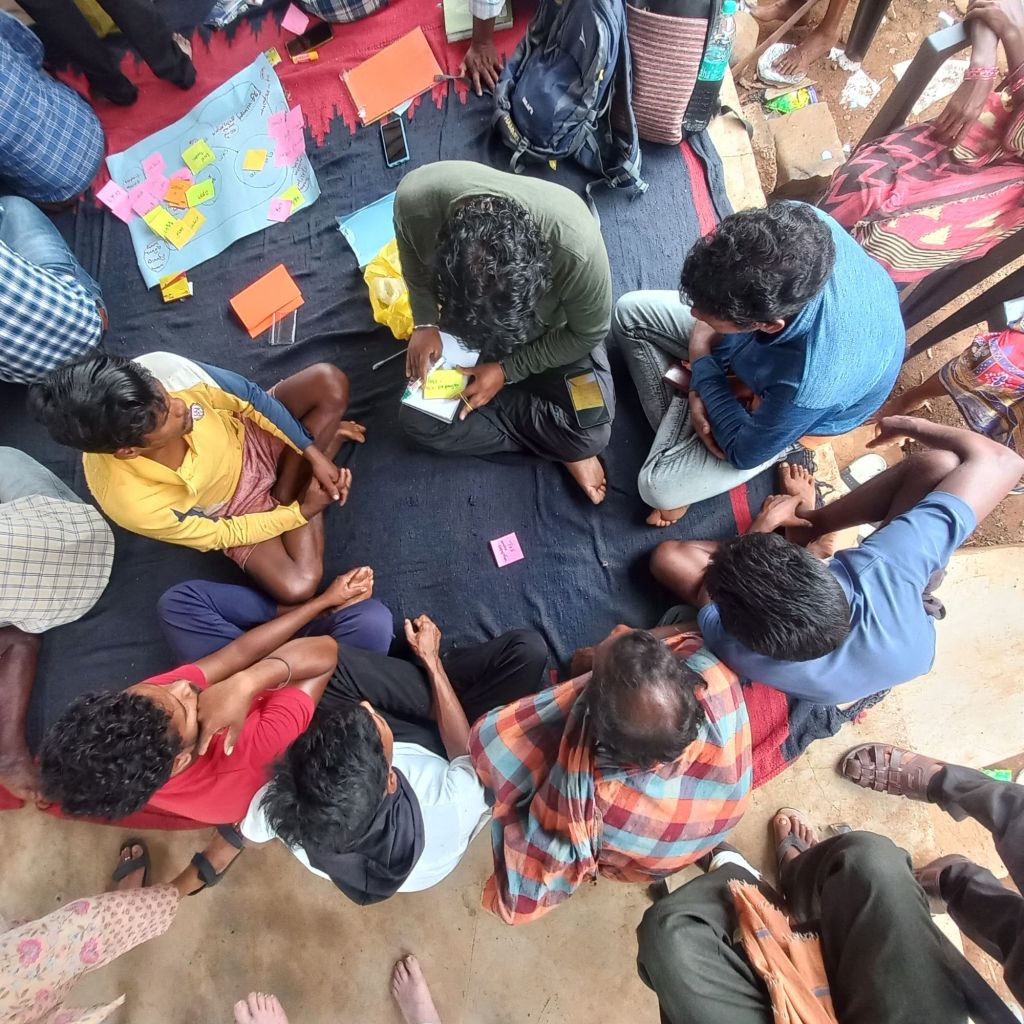
WASAN Organisation has been working in the Chitrakonda block of Malkangiri for some time now, to improve the living standards of the people. A new addition to their efforts is making village collectives self-reliant and increasing production through natural farming. WASAN invited a few members from Nirmaan Organisation to join them for a workshop in Odisha.
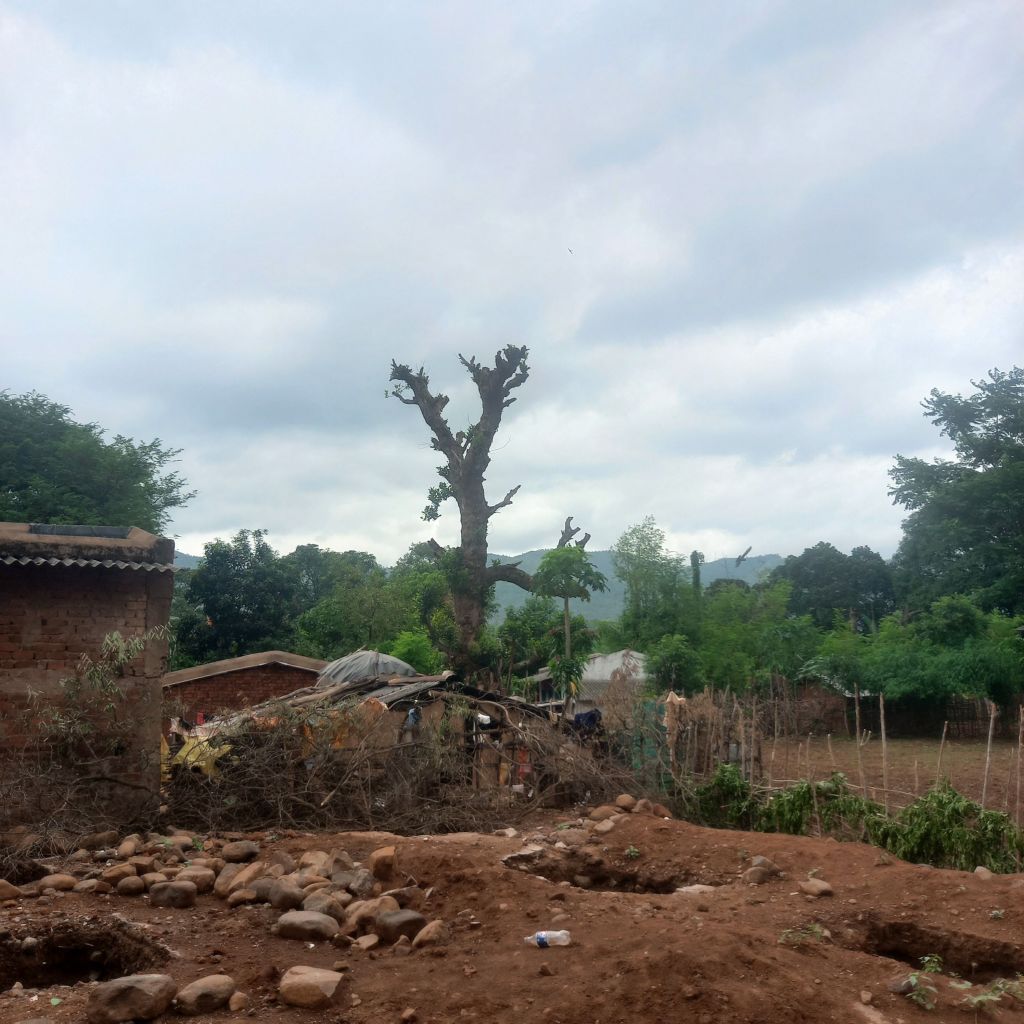
On 17 June, I started my journey towards Odisha, travelling through Dantewada and Baragutra. On 18 June, in one of the villages, I learned about their agricultural practices through a crop-cycle demonstration. I’ll keep that aside for now. Papadmela village sits at the foothills. Barely six years ago, it was completely cut off from the outside world. Due to Maoist presence, many villages in the hills and forests of Chitrakonda remained untouched by development. Today, we were able to reach one such village.
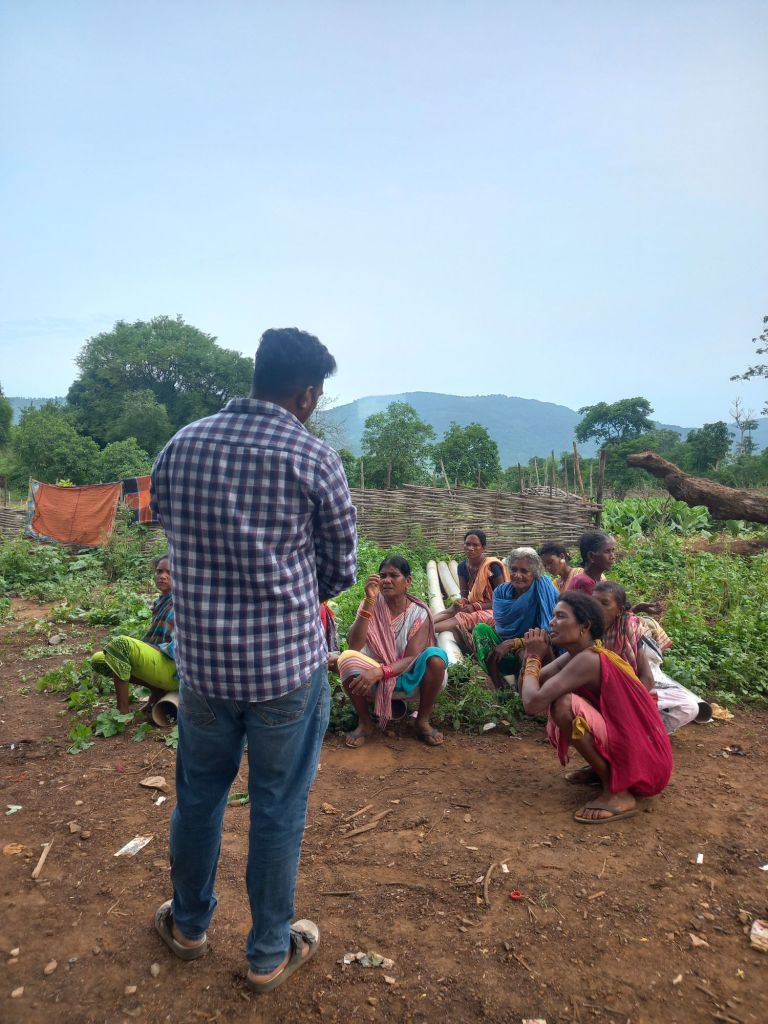
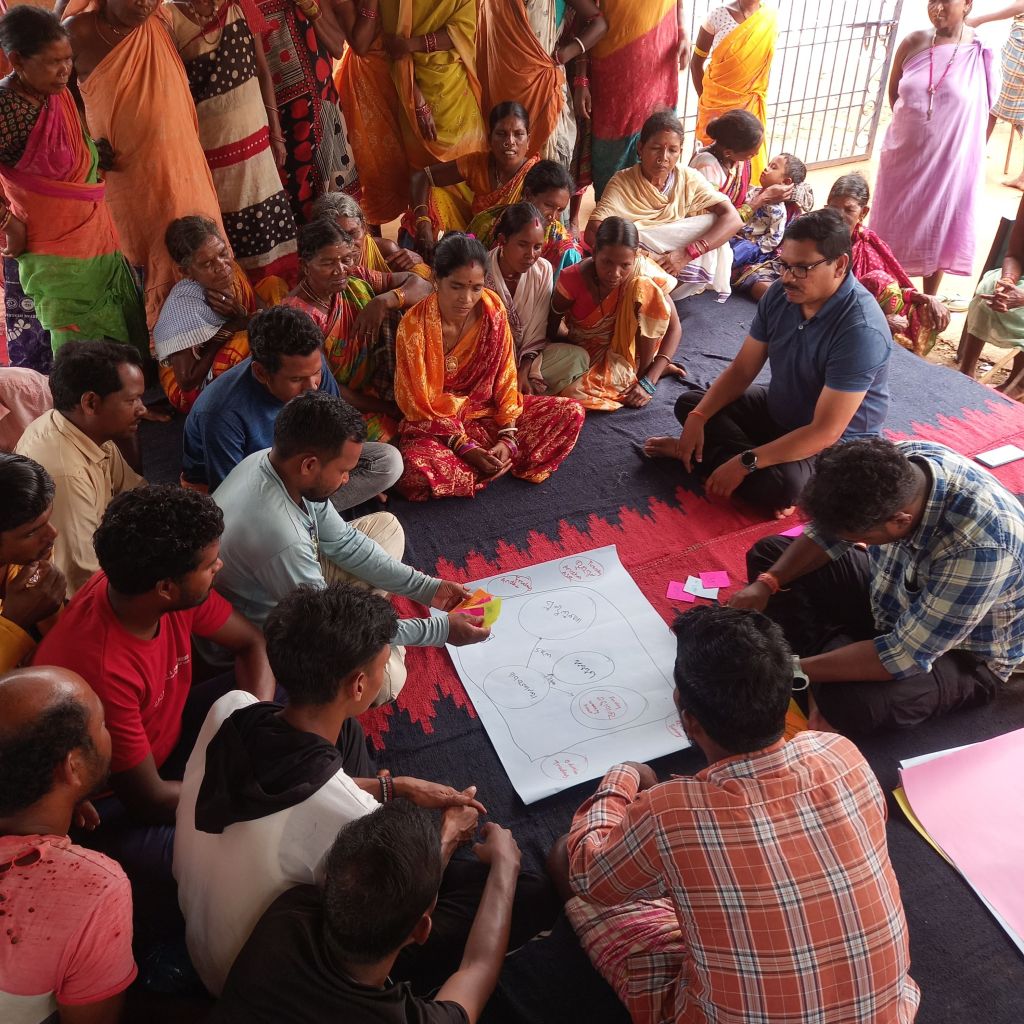
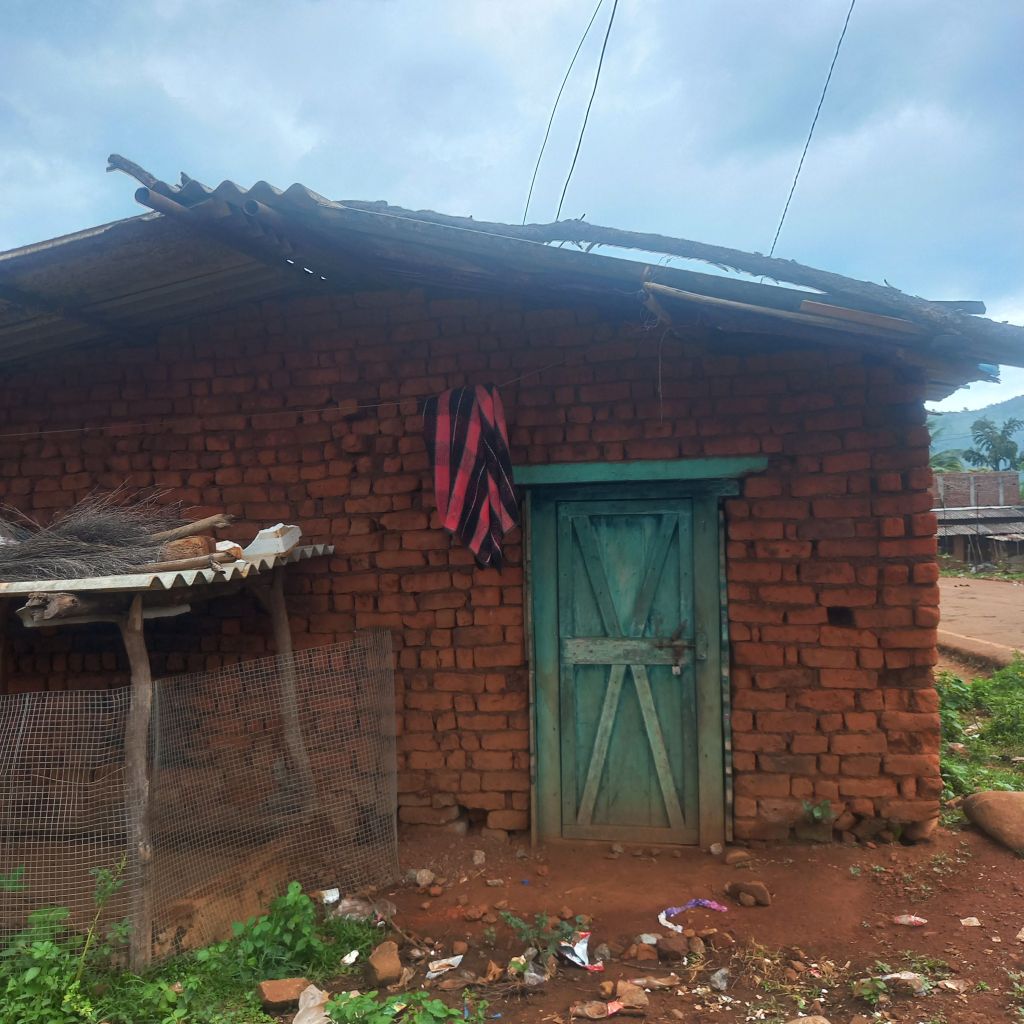
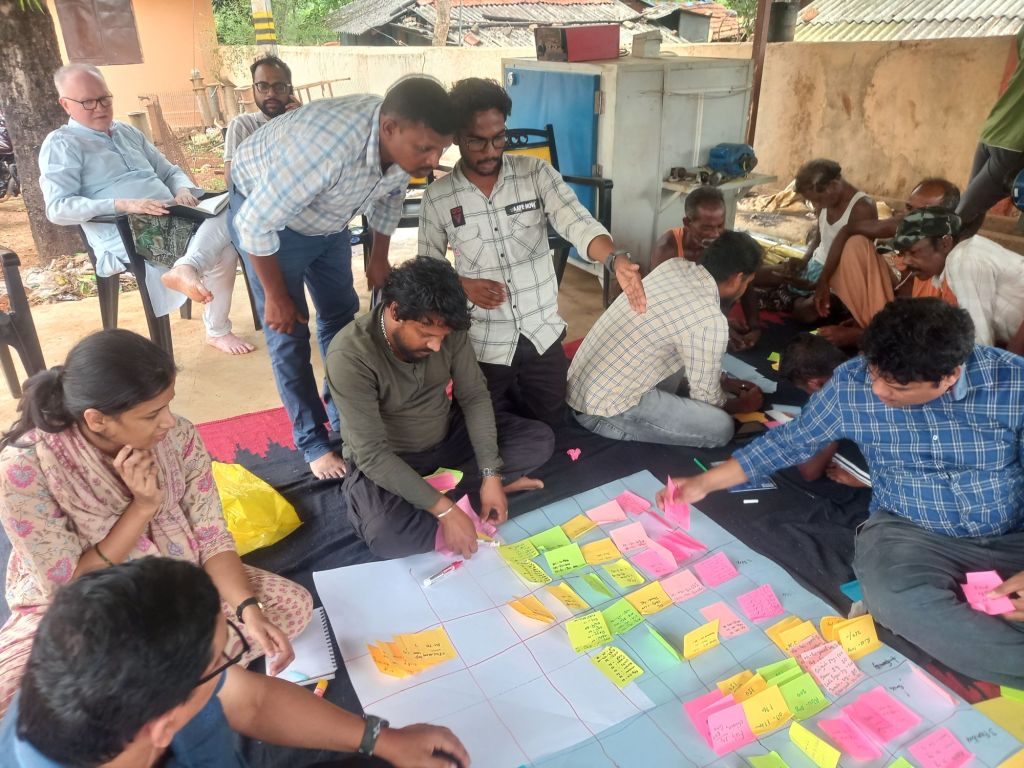
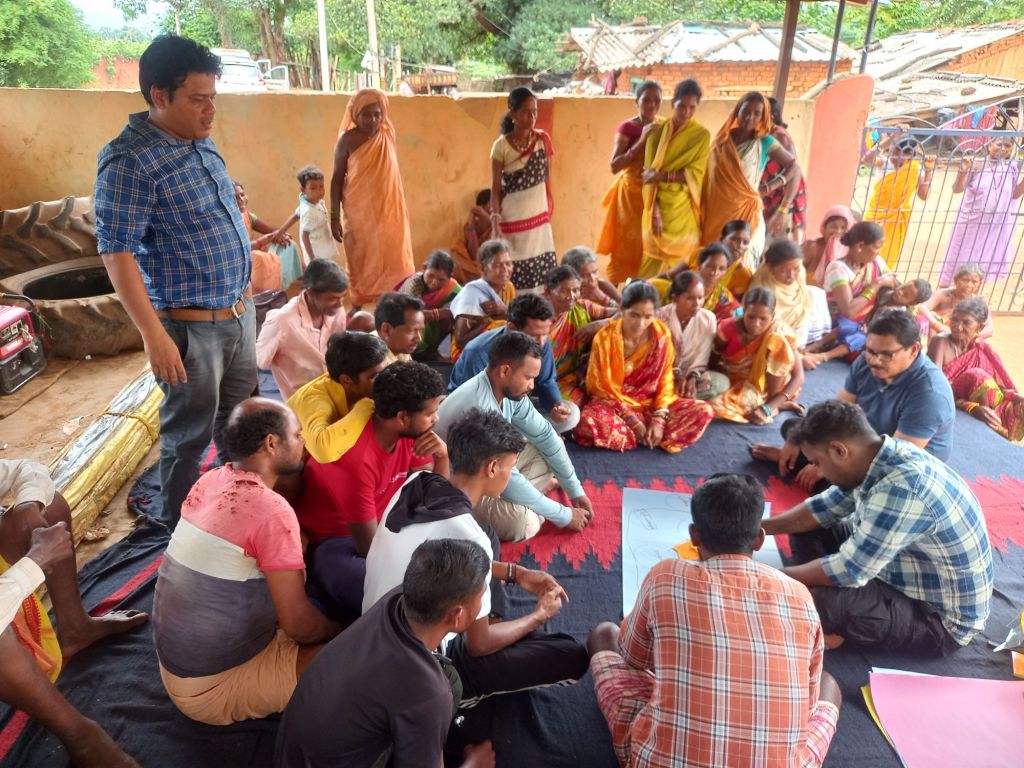
A winding road moved along steep slopes, terraced fields on both sides, and sunlight flickering on the distant hilltops. After thirty long years of struggle, the construction of the Gurupriya Bridge finally brought development to these villages. And with that same bridge came cold drinks and foreign liquor. Before agricultural machines arrived, cigarette and snack packets had already scattered themselves across the fields. Papadmela also hosts the panchayat office that serves 24 surrounding villages. This was where our workshop took place. With around fifty villagers present, we tried to understand what grains and vegetables they produce, where they sell them, which traders buy them, and whether Odisha traders pay more than those from Andhra Pradesh. These things were new even for the villagers.
We began the discussion by drawing a simple map of the village and its neighbouring areas with the people themselves. On this map, we added the markets they visit, what they sell in each market, what they purchase, and what kinds of traders operate there. Slowly, more details emerged. How many traders come directly to their village, whether anyone from the village itself is involved in trading, and so on. The enthusiasm of the villagers was wonderful. They were as involved as we were.This analysis of markets and expenses is a PRA tool. Without the villagers’ active presence, none of this would have been possible. With their help, we discovered that the grains they grow and the grains they buy from the market are essentially the same. They sell paddy from their fields at ₹7 to ₹10 per kilo, only to buy rice a few months later at ₹35 per kilo. They grow pulses in their own fields but buy masoor dal from the market at ₹120–150 per kilo.
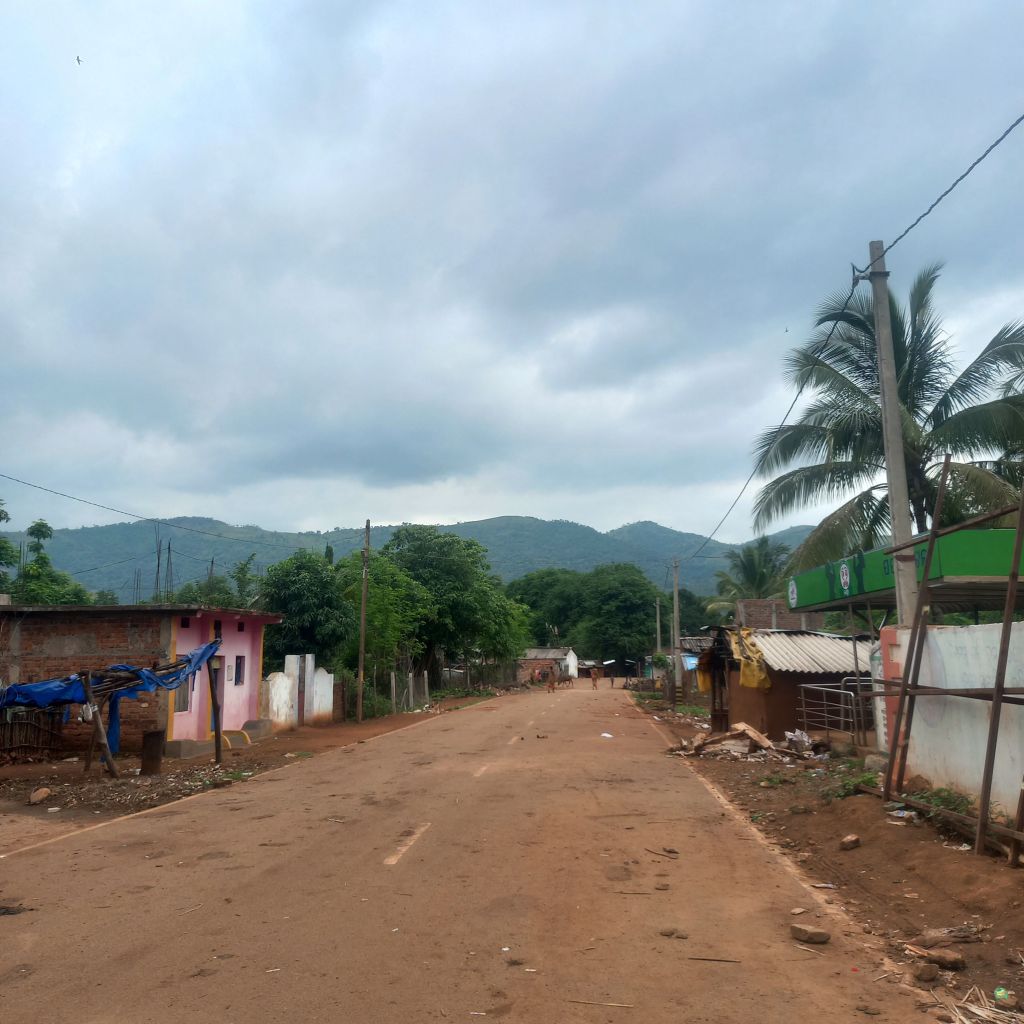
They sell naturally grown produce, but end up buying pesticide-laden vegetables. The new roads and cheaper bus routes have come, yes, but so has the loss of their own nutritious food sources. They have no choice but to sell their paddy, country chickens, and eggs. After all, where else will the cash come from? Clothes must be bought. And in the bag from the market, without fail, there is always a bottle of cold drink.
Good cannot be replaced with bad forever, they must find a way out, and they are the ones who will decide. In Malkangiri, WASAN will stand beside them, and in Dantewada, Nirmaan and Bhoomgadi will continue their support. Perhaps in the coming year, Papadmela will begin storing paddy and pulses collectively, start producing rice themselves, sell it in the market, or maybe they will set up a machine to extract oil from sesame and groundnuts. They may replace shampoo, soap, and cold drinks with their own traditional alternatives. Using the roads, they may deliver organically grown produce to urban consumers at better prices.
 iVolunteer Blog - everything about volunteering