Before joining the Swar Fellowship, I had read bell hooks’ Feminism Is for Everybody and admired its simplicity and clarity. But only after spending months in the field did her ideas start feeling real. Hooks talks about feminism not as a theory, not as something meant for a classroom or an elite group, but as a practice that belongs to everyone women, men, children, families, communities.
She says feminism is simply about ending all forms of oppression.
And the field has shown me that oppression doesn’t always come as violence or loud injustice it often comes quietly, through habits, traditions, and expectations that everyone has learned to accept.
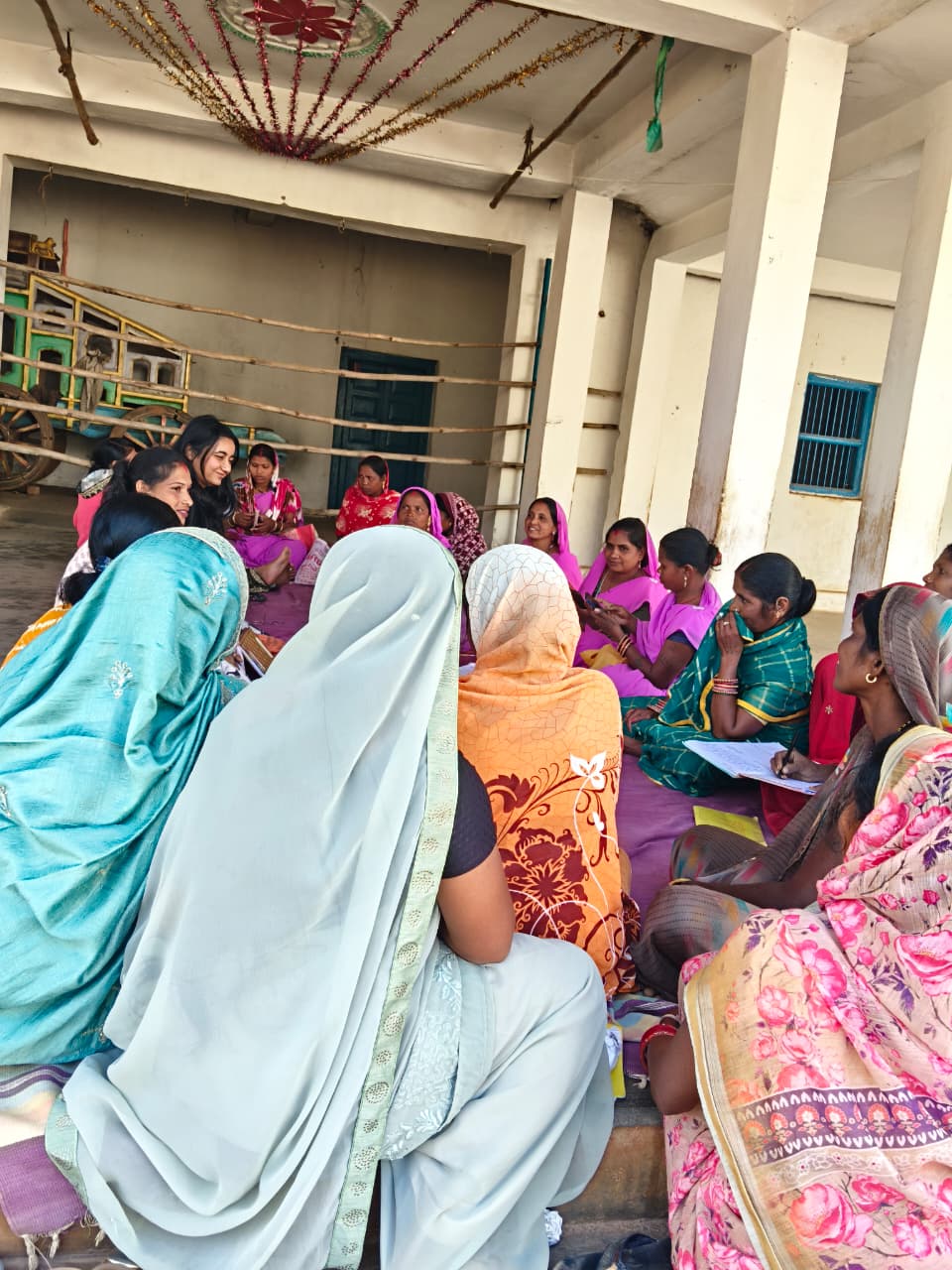
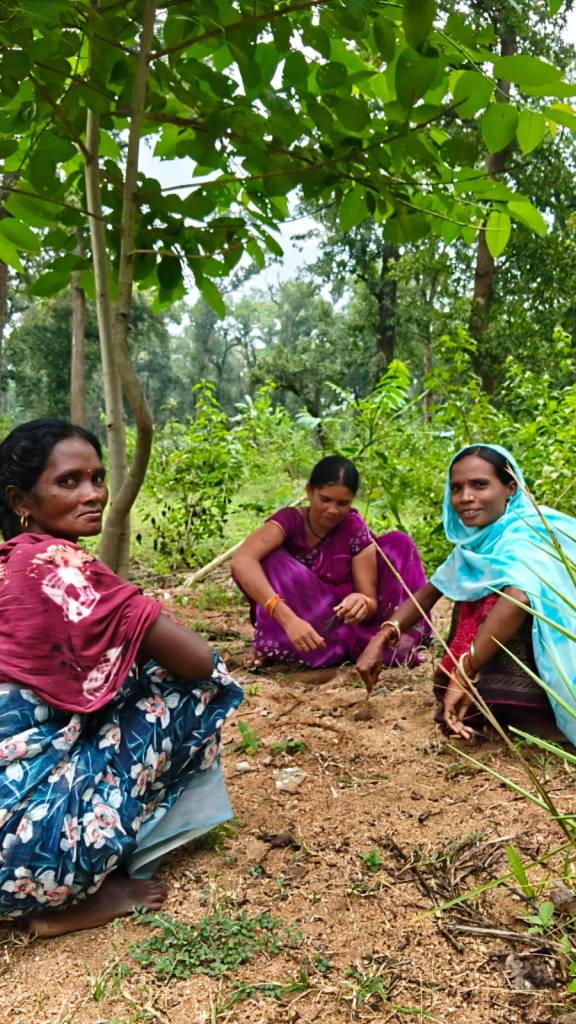
Working with women across villages, SHGs, and VOs helped me see how much of their life is shaped by structures they never questioned, and how softly they carry burdens that should never have been placed on them.
Feminism Begins With Awareness, Not Anger
One thing bell hooks repeatedly says is that feminism is rooted in awareness the ability to see and recognise what is unequal, unfair, or harmful.
On the field, I noticed this shift happening slowly in the women I worked with. During gender trainings, when we discussed topics like decision-making, mobility, financial independence, or domestic roles, I saw expressions change.
Some women began whispering to each other,
“Yeh toh humare ghar mein hota hai.”
“Aisa kyun hota hai?”
“Hum kab se yeh sab normal samajh rahe the.”
These questions were not acts of rebellion.
They were acts of awareness.
And awareness is the beginning of empowerment.
Hooks writes that feminism doesn’t ask women to fight men it asks women and men to fight inequality together. When a few women told me they wanted to bring their husbands to the next awareness session, I felt that this was exactly what she meant. They didn’t want conflict; they wanted change.
Intersectionality: When Gender Is Not the Only Barrier
Another major learning came when I started observing how not all women experience oppression the same way. Some women had the freedom to attend meetings, while others needed permission for every step outside home. Some had phones; some had never held one. Some had studied till Class 10 or 12; some had never gone to school.
And then there were deeper layers caste, income level, cultural norms, location, marital status.
Dalit feminist perspectives helped me see this more clearly. A Dalit woman who works as a labourer faces gender discrimination, but she also faces castebased prejudice and economic struggle. Her fight is heavier, her risks are higher, and her opportunities are fewer.
In one village, a young Dalit girl told me,
“Didi, hum meeting mein bolte bhi hain toh log sunte nahi.”
Her voice was not just gendered it was castemarked.
And that reminded me that empowerment cannot be “one model fits all.”
Each woman needs a different kind of space, support, and confidence building, depending on the barriers she carries.
Judith Butler’s Echo: Gender as Performance
A small moment made Judith Butler’s idea of “gender as performance” feel real to me.
In one VO meeting, a woman who always covered her face suddenly kept her dupatta aside while speaking. After the meeting, she told me softly,
“Aaj maine socha ki main bhi bol sakti hoon. Zaroorat kya hai parda ki meeting mein?”
She wasn’t rejecting culture; she was redefining her comfort.
She chose her identity for that moment instead of performing what was expected.
And that choice was powerful.
Small Steps Are Real Feminism
Bell hooks says feminism grows through community, not individual heroism.
I saw this truth when:
Women encouraged a shy member to speak
A group helped a young mother attend meetings by watching her child
One woman explained bank processes to another
A VO collectively confronted a case of domestic violence
These were not dramatic revolutions.
They were acts of care.
Acts of solidarity.
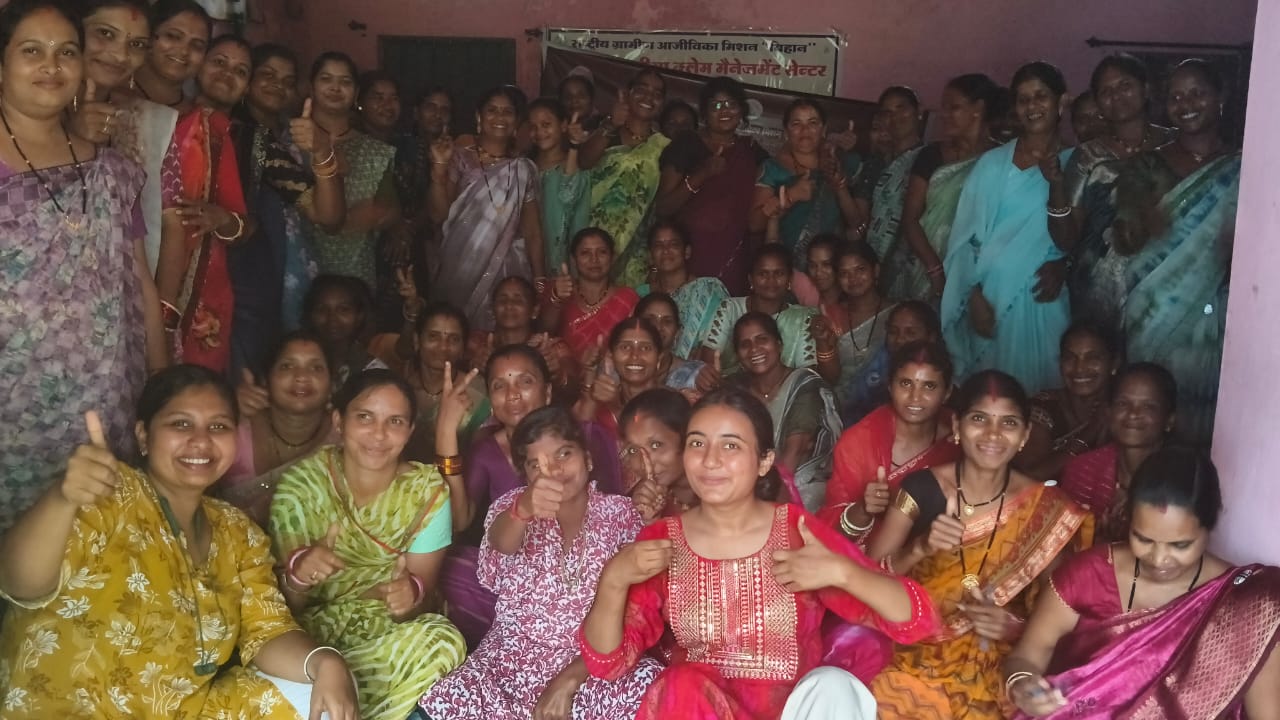
Acts of women supporting each other exactly what feminist movements hope to create.
My Realisation
The field has taught me that feminism is not a slogan, a seminar topic, or a theory in big books. It is a lived experience. It shows up when a woman decides to earn, when she questions unfairness, when she asks for respect, when she supports another woman, and when she believes her voice matters.
Feminism truly is for everybody
for the woman who wants freedom,
for the man who wants harmony,
for the girl who dreams,
for the boy who learns equality from his mother.
And my journey as a Swar Fellow is helping me see that the real work begins not in conferences or campuses, but in small rooms, under tin roofs, in circles of women who sit together week after week slowly discovering their worth, their rights, and their voice.
 iVolunteer Blog - everything about volunteering