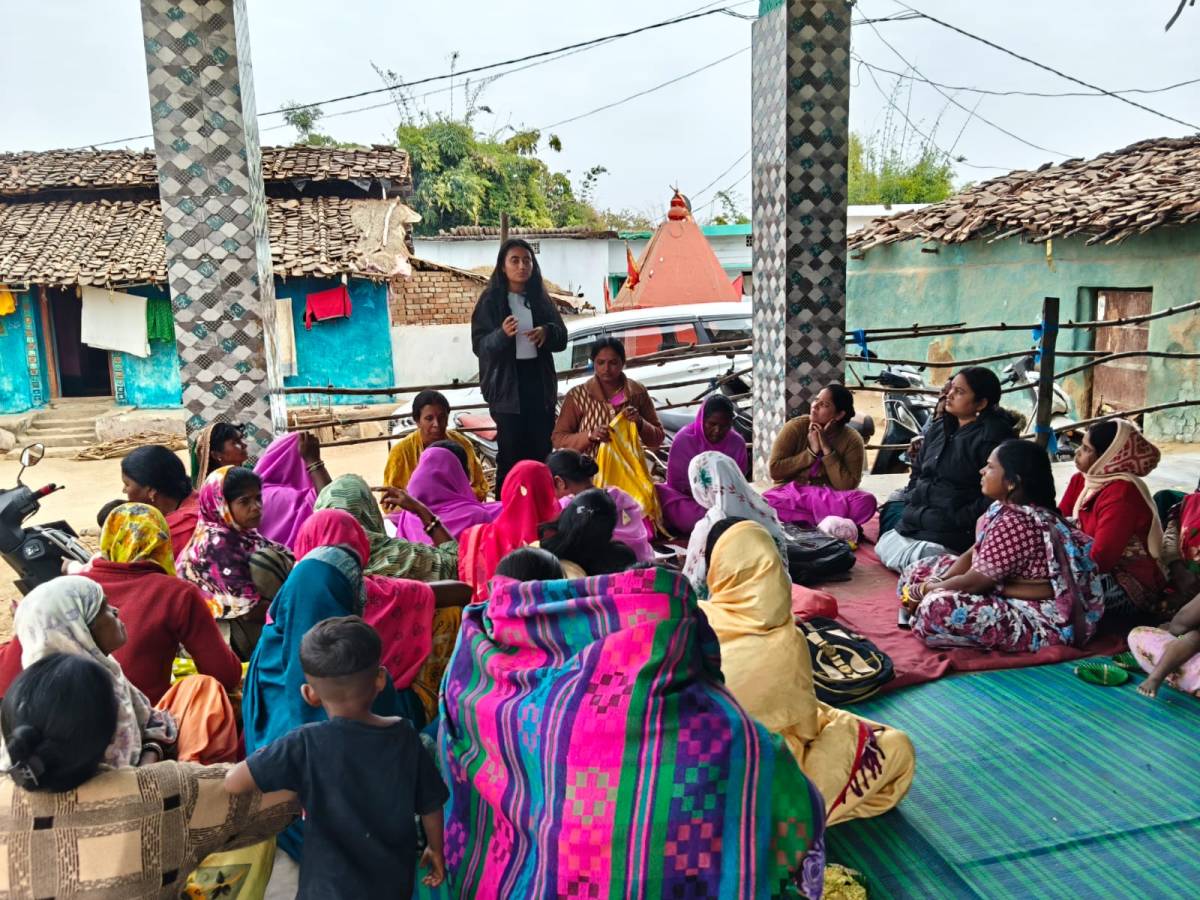
During my fieldwork as a Swar Fellow, there were many moments when the theories I had read suddenly came alive in front of me. But nothing struck me as strongly as the idea Simone de Beauvoir wrote in The Second Sex: “One is not born, but rather becomes, a woman.”
I had studied this earlier, but I only understood its depth when I walked into the homes, VOs, and lives of the women in the community. Everything I saw how they spoke, how they worked, how they hesitated, how they endured told me that womanhood wasn’t something they were born with. It was something society had shaped in them, day after day, through expectations, responsibilities, and silent rules passed from one generation to the next.
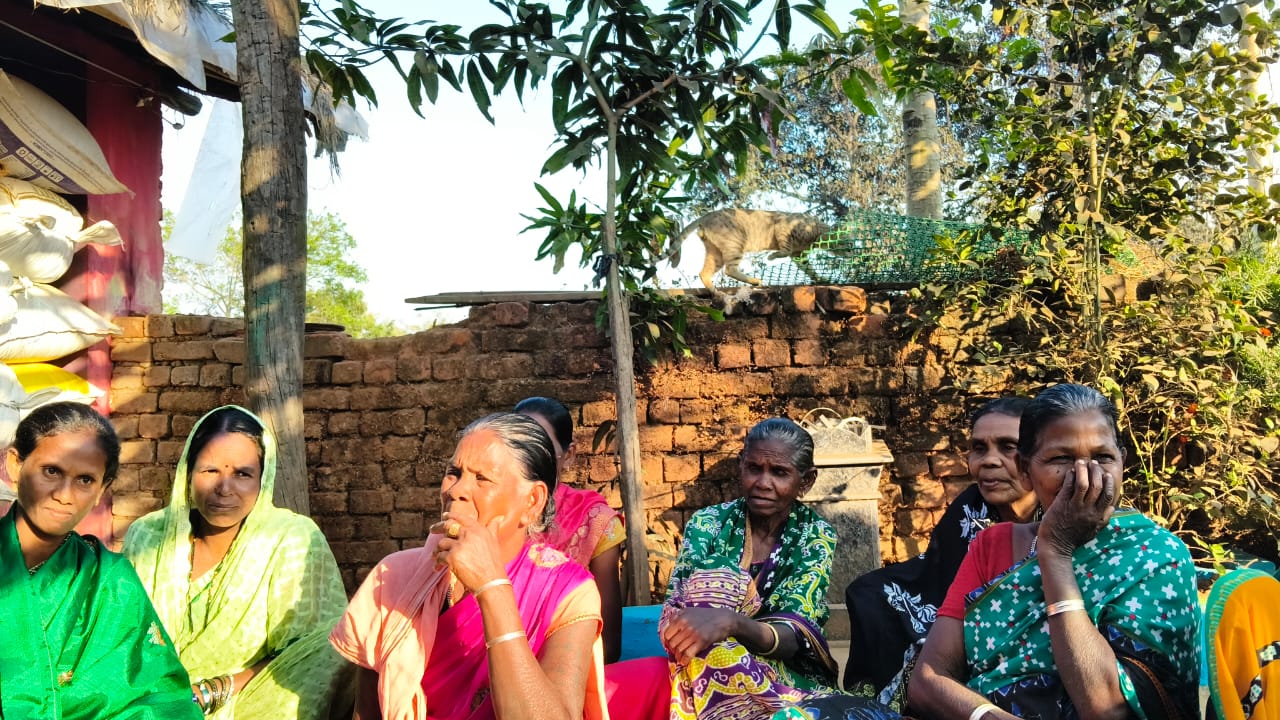
In many households I visited, the women woke up before everyone else and slept last. Their day flowed between cooking, collecting water, taking care of children, serving elders, and managing their SHG responsibilities. None of these tasks were described as “work” by the family. It reminded me of Beauvoir’s idea that women’s labour is often rendered invisible taken for granted as part of their “nature.” But what I saw in the field was not nature. It was conditioning. It was routine. It was expectation.
When I asked one woman if she ever got time for herself, she simply laughed and said, “Humare liye kaun sa time hota hai?” That sentence stayed with me because it reflected exactly what The Second Sex argues: that society defines the space women are allowed to occupy, and most women learn to fit themselves into those boundaries.
The Internal Cage: Another powerful idea from Beauvoir is that oppression is not always external; sometimes it becomes internal. I could see this when women hesitated to speak in meetings, even when they knew the answers. Their bodies leaned forward as if wanting to participate, but their voices remained held back. Many women told me, “Bolne ki aadat nahi hai,” or “Galat bol diya toh?”
This fear of “wrongness” is something they weren’t born with it was taught to them slowly, through years of being told to stay quiet, stay polite, stay inside.In these moments, I felt Beauvoir’s words echoing in my mind: women are made, not born. And my fieldwork showed me that the making starts early shaped by family, culture, marriage, and even silence.
Motherhood: Another aspect I saw deeply was Beauvoir’s discussion on motherhood not as a biological event but as a social role loaded with expectations. Many women told me their dreams ended once they had children. Some wanted to study further, start small businesses, or travel for trainings but they all said the same thing:
“Bachche chhote hain.”
“Pati ko pasand nahi.”
“Ghar ka kaam kaun karega?”
Motherhood had become a boundary instead of a journey. It made me question: if a woman loses herself to fulfil others’ needs, is that truly empowerment or just endurance packaged as virtue?
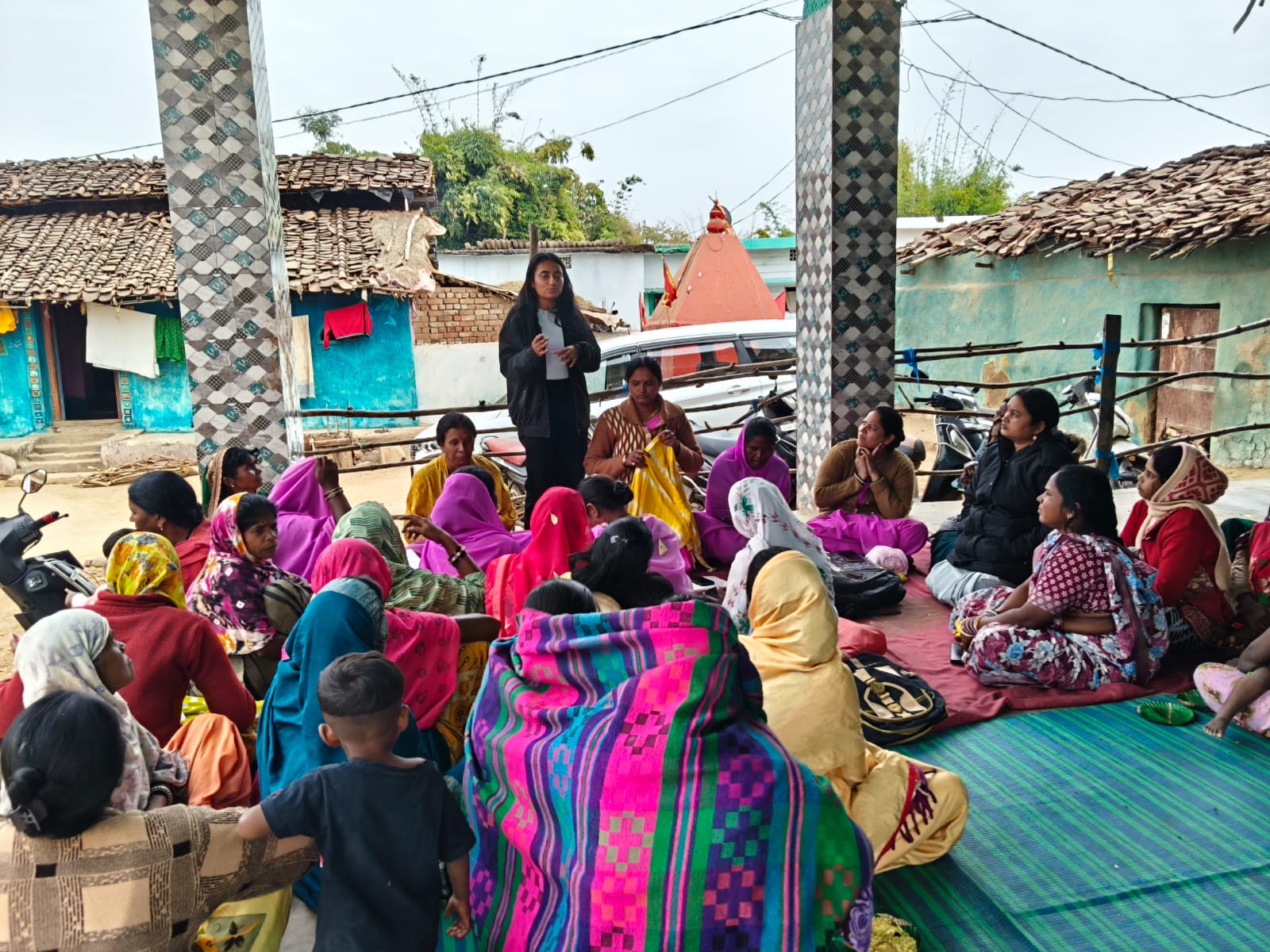
But the most beautiful part of my fellowship has been witnessing women slowly “becoming” something beyond what society told them to be. In one VO meeting, a woman who never spoke before raised her hand and said, “Aaj main bolungi.” Her voice trembled, but she spoke. That moment felt revolutionary not in the way books describe revolutions, but in the quiet way transformation happens inside a person. Another woman asked me after a gender session, “Agar hum galat nahi hain toh hum chup kyun rahein?” This question felt like a spark a sign that her becoming had begun.
Simone de Beauvoir emphasises that freedom is not given; it is taken, discovered, and claimed.
In the field, I saw glimpses of this freedom:
A woman attending training despite resistance. A mother teaching her daughter to cycle. A wife questioning why only she must handle all the household work. A young girl saying she wants to be financially independent. These were not small moments; they were cracks in the walls that had kept generations of women confined.
Every day in the community showed me that womanhood is not a fixed identity; it is a journey shaped by culture, family, and resistance. And somewhere in this journey, every woman discovers her voice sometimes softly, sometimes boldly.
As I walk alongside these women, I realise that empowerment is not about giving them power. It is about reminding them that they already have it just hidden under layers of conditioning. And this, to me, is the deepest lesson both the book and the field have given me: Women don’t need to become what society expects. They can become who they truly are.
 iVolunteer Blog - everything about volunteering
One reply on “No One Is Born a Woman, She Becomes One.”
You brought a clear and thoughtful perspective to this topic.
LikeLike