
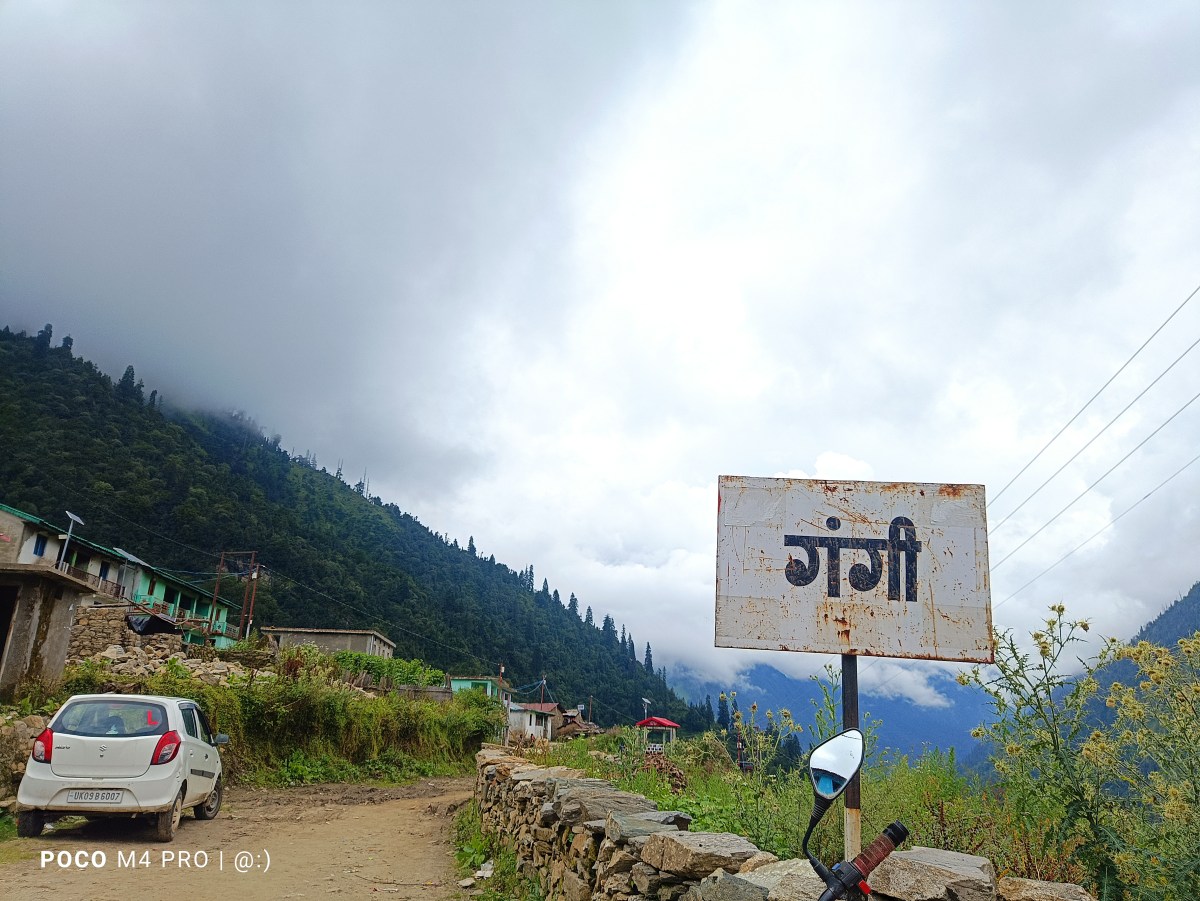
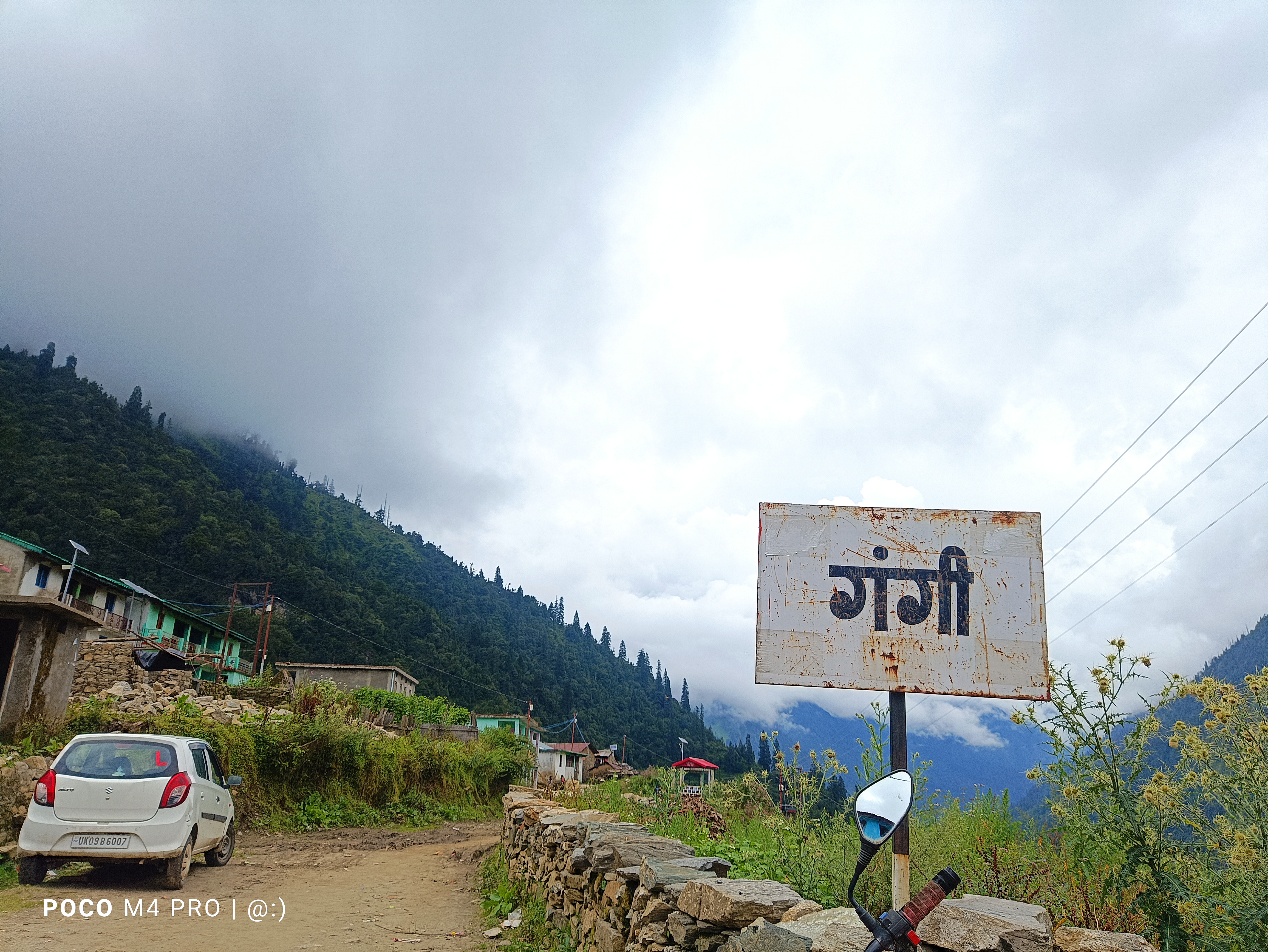
Have you ever been to a place where time seems to pause? That is exactly how I felt when I visited Gangi, the last village of Tehri Garhwal in Uttarakhand. Tucked away in the high mountains, Gangi is beautiful, raw, and untouched, almost as if the world outside has forgotten it. I spent six hours there, but those hours felt like a journey into another time. There was no mobile signal, no internet, and no buzzing notifications. At first, the silence was unsettling. How would I share my experience, check maps, or even make a call? But soon, I realized that this absence of network was a gift. It allowed me to slow down, observe more closely, and connect with people without distractions.
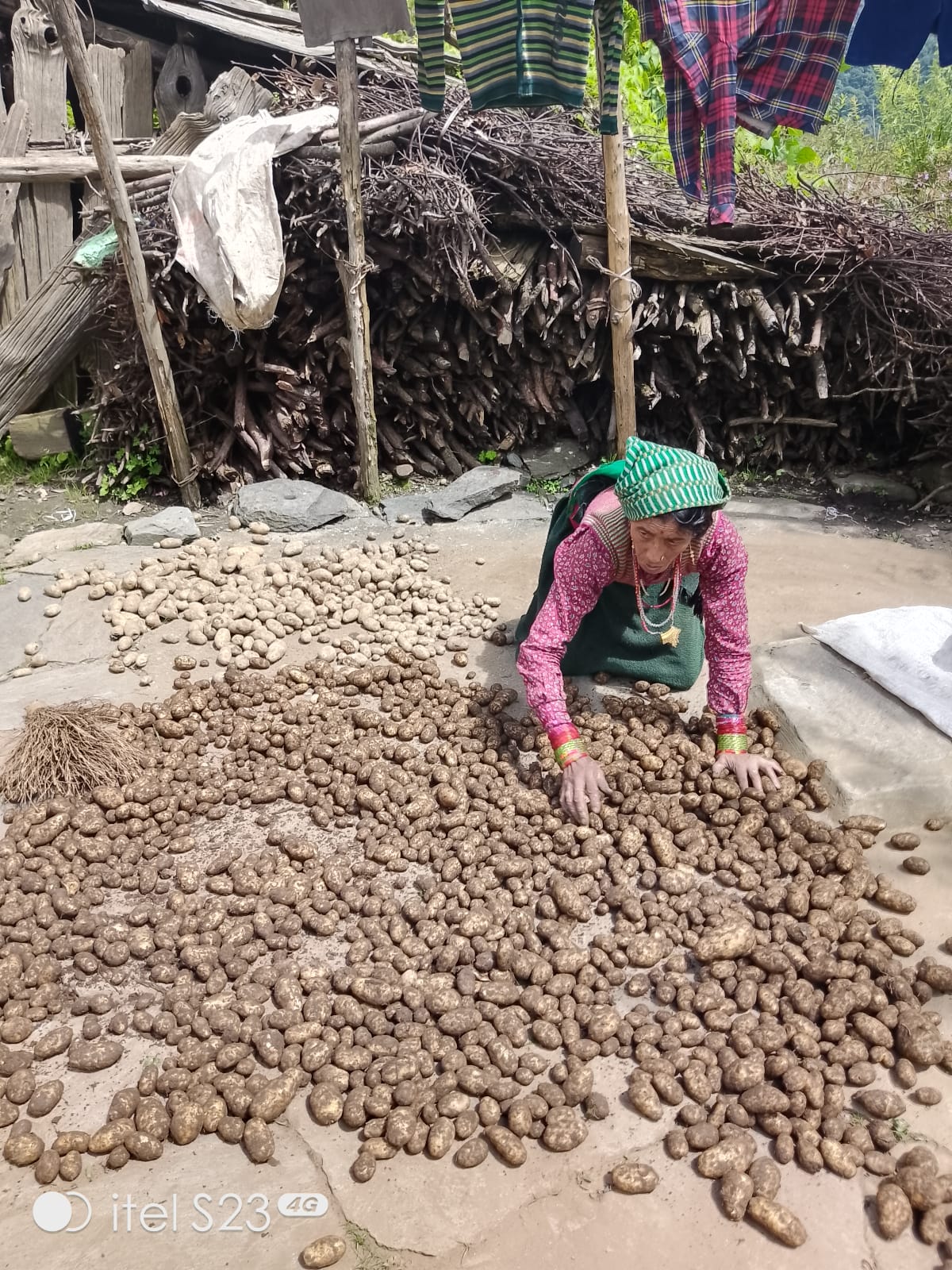
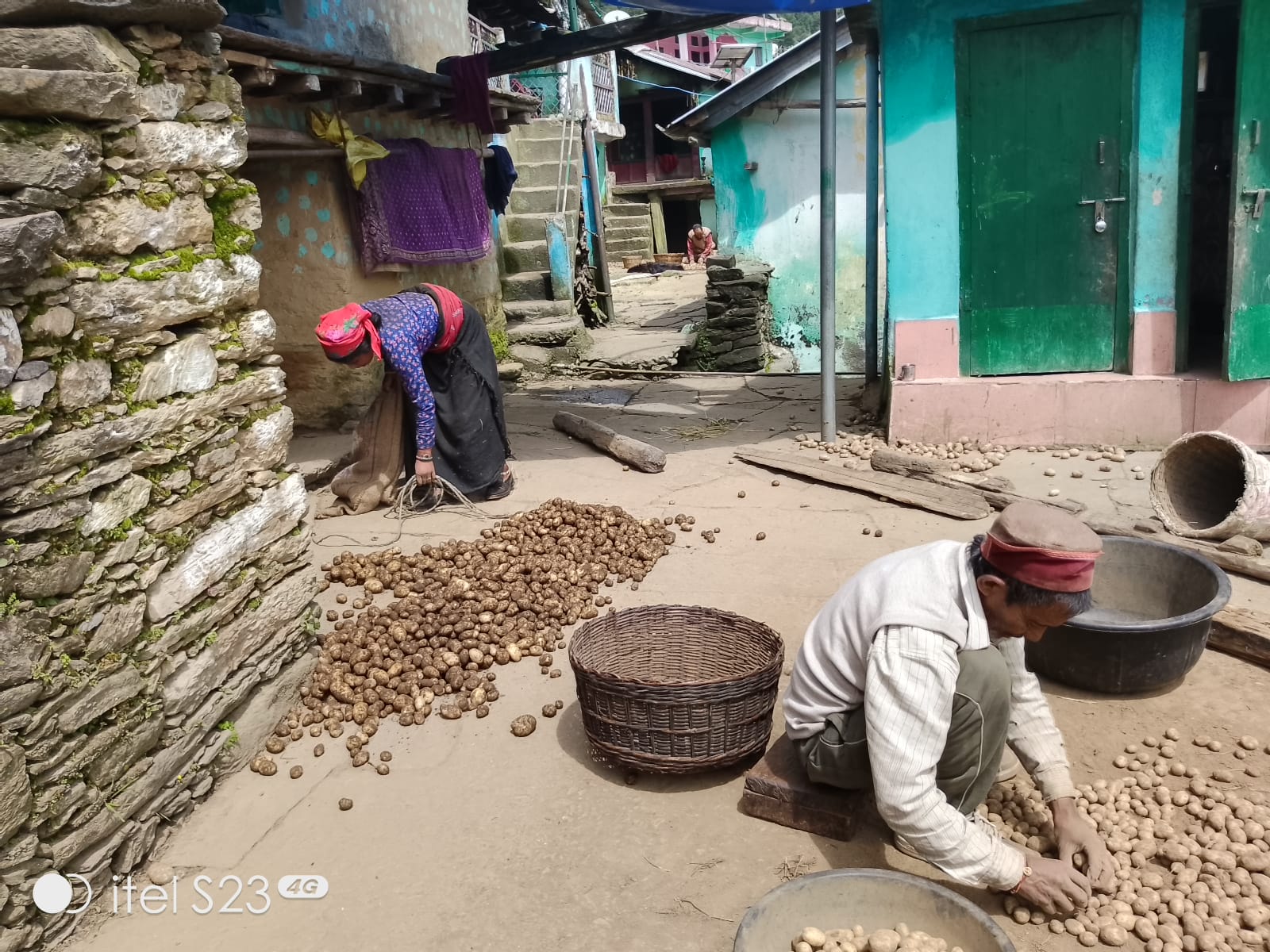
The village has around 700-800 people. On the surface, life here seems peaceful, but as I looked deeper, I could see its struggles. Women bear the heaviest share of work — from dawn to dusk, they are in the fields, fetching water, cooking, looking after livestock, and taking care of the household. Most of them are illiterate, yet their sharpness amazed me. They know how to manage household finances and small trades, balancing everything with remarkable skill. Still, when it comes to making decisions, their voices remain unheard. Watching them reminded me that in so many places, women are like invisible pillars; holding up entire families, yet hardly recognized for their strength.
What touched me most was the late arrival of electricity. While we in cities complain about power cuts or slow Wi-Fi, people here saw their first light bulb glow only last month. Imagine living your whole life without something as basic as electricity, and then finally seeing your home lit up for the very first time. Healthcare is another challenge. There is no hospital in the village, and for even the smallest treatment, people have to walk long distances. Yet, despite these gaps, many young men migrate abroad for work. It felt strange to see that global opportunities were within their reach, while something as simple as a clinic was still far away.
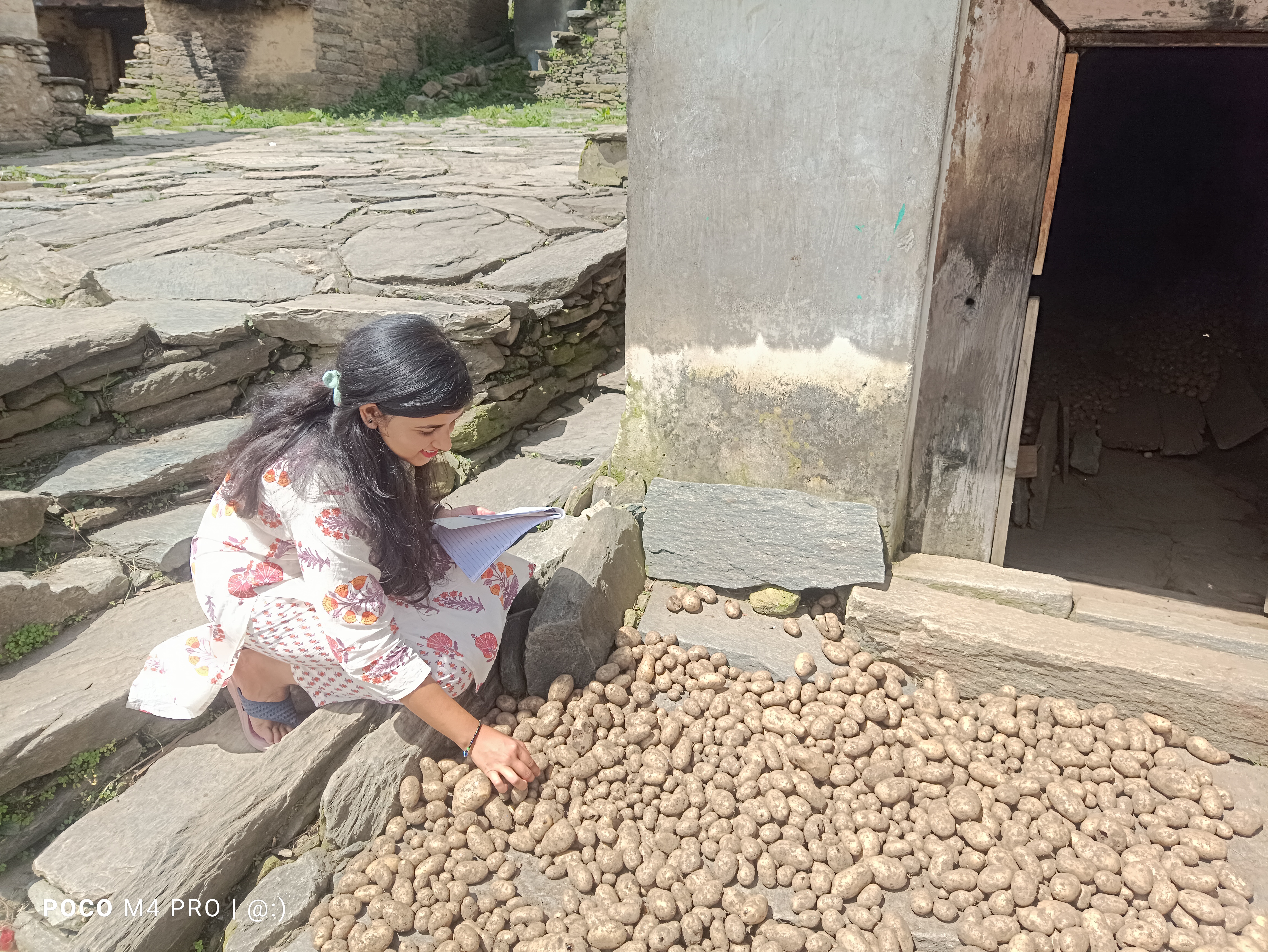
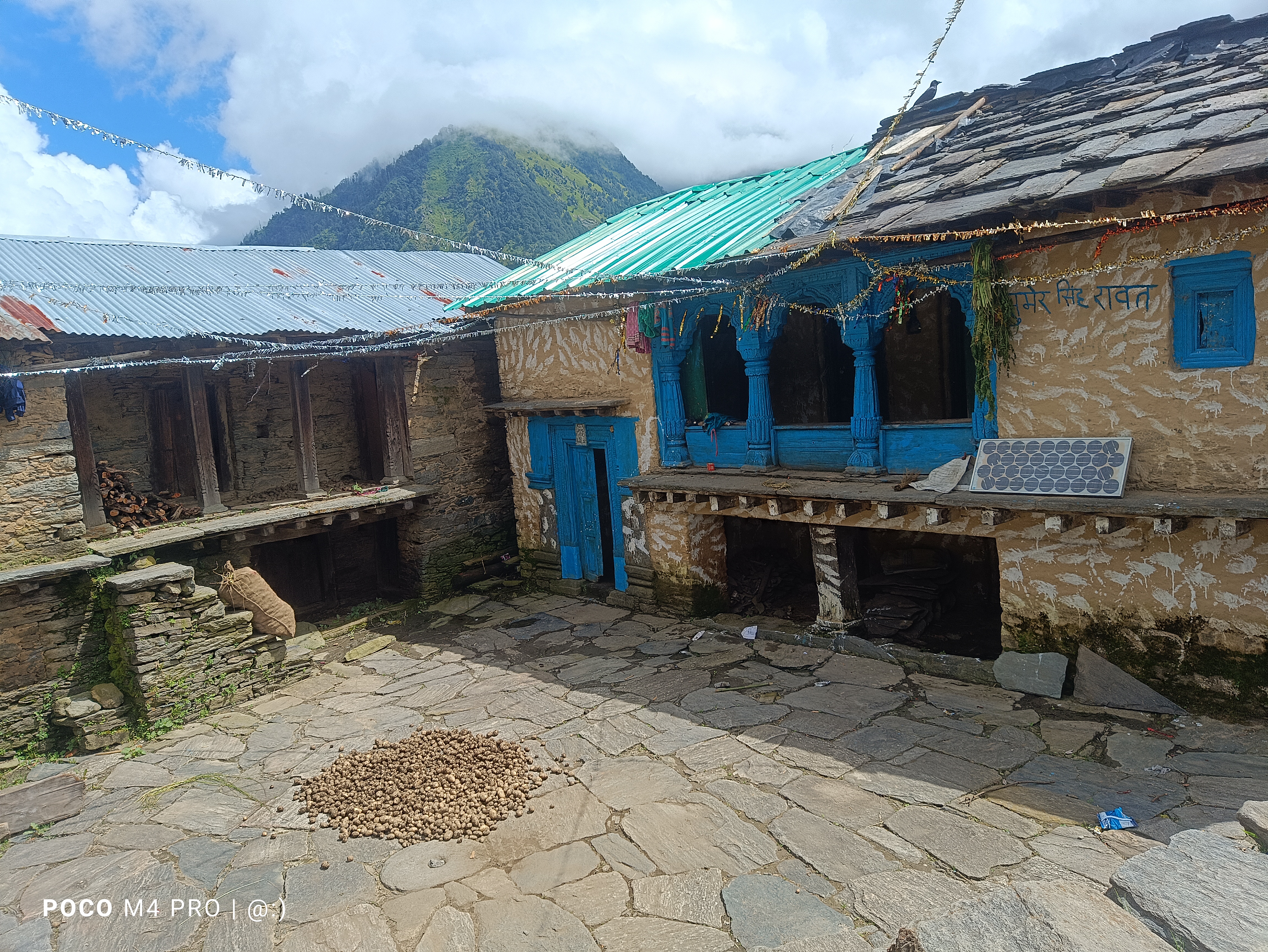
Walking around the village was like walking through a living museum. Traditional houses made of stone and wood stood strong against the mountain winds. There was a raw charm in them, a sense of history carved into every wall. I was fascinated to see how people stored potato seeds in bamboo structures called Ringaal. It is a natural, chemical-free method, passed down through generations, showing how much wisdom is hidden in these mountains.
But modern changes have been slow to arrive. Schools go only up to class 10, and the nearest college is more than 20 kilometers away. For many children, that distance becomes the end of education. Standing there, I thought about how different my own life would have been if I had to stop studying after class 10.
The contradictions of Gangi kept echoing in my mind. The people earn just enough to live with dignity. They do not see themselves as poor, but their poverty is hidden in the lack of opportunities, awareness, and access. They are reluctant to adopt small changes in their daily lives, but at the same time, they are ready to travel across the world in search of work. It is as if they live in two realities at once; one rooted deeply in tradition, and the other reaching far beyond the mountains.
As I left the village, I was filled with questions. How do we talk about Digital India when entire villages are still living in no-network zones? How do we celebrate gender equality when women here toil endlessly but have no say in decisions? How do we measure development by electricity poles and government schemes on paper, or by the actual empowerment and well-being of people?
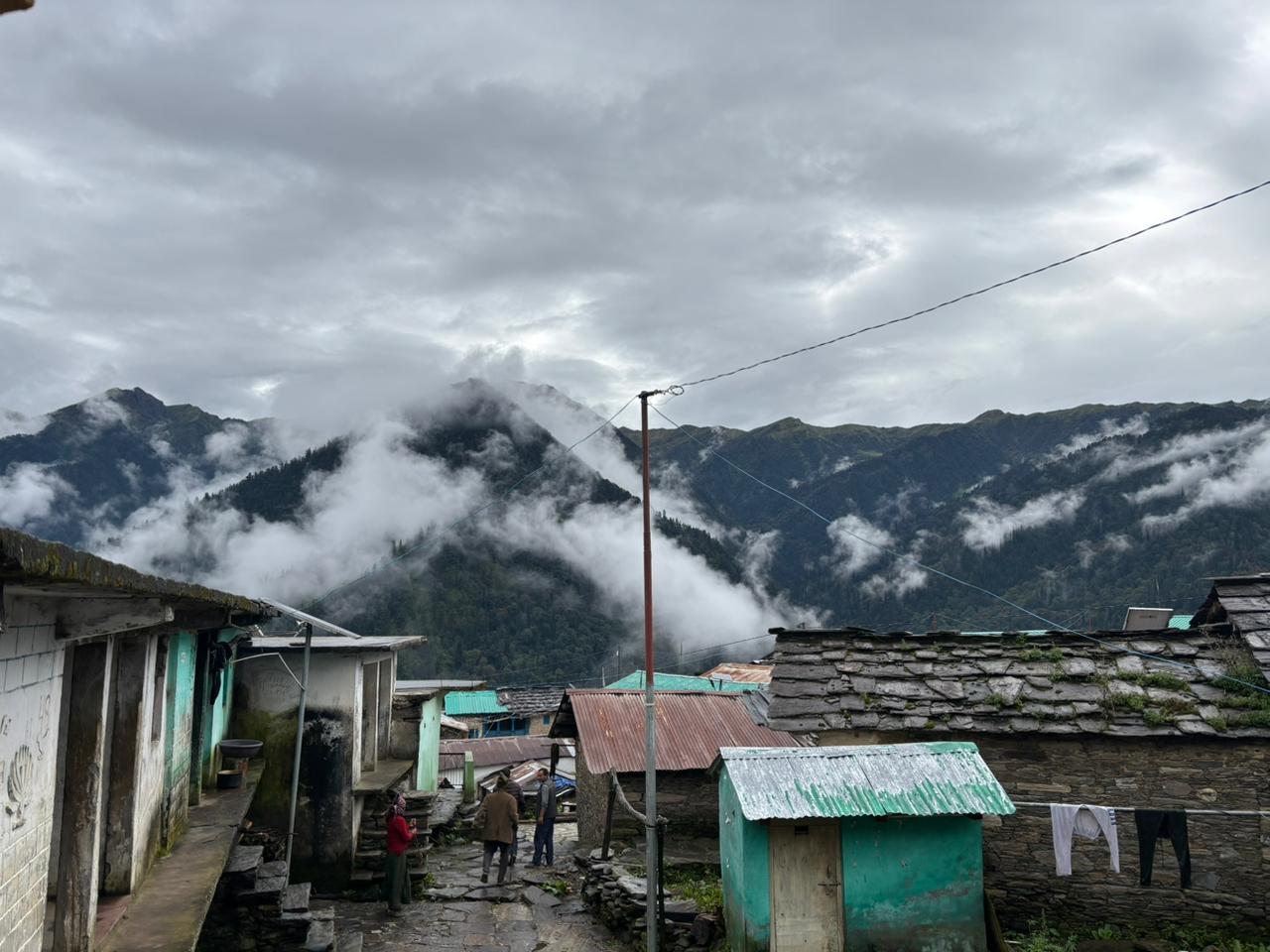
My day in Gangi reminded me that true progress is not about cities racing ahead but about villages like this catching up. It is not just about lighting homes with bulbs, but about lighting lives with opportunities, dignity, and equality. Sometimes, the smallest and most remote places ask the biggest questions about who we are and where we are heading. And in those mountains, surrounded by silence, I realized that maybe the answers to India’s growth story lie not in our shining cities, but in villages like Gangi waiting quietly for their turn at progress.

 iVolunteer Blog - everything about volunteering
2 replies on “A Day in Gangi: The Last Village of Tehri Garhwal”
hello Aditi.
beautiful blog post. Almost like I touched gangi.
I am interested in visiting this village in April and would like to connect with you regarding the same.
it would be great if you can connect over prayasrokde@gmail.com or on WhatsApp 9723611132
LikeLiked by 1 person
Thank you. I will connect with you.
LikeLiked by 1 person