

“Become a teacher,” they say, “and shape the future.” But very few people grow up dreaming of becoming a teacher. For most children, school is a rigid routine of early mornings, strict schedules, and homework. So why would anyone willingly choose to become part of the same system they once felt trapped in?
Necessities force a lot of people to take up teaching. Often unknowingly, many teachers end up becoming enforcers of the same structure that once made them feel helpless as students.
Much of this starts with how teachers are recruited. Government teaching jobs come with the promise of stability, security, and social respect. These perks become more attractive in a nation with a 1.4 billion population and a scarcity of jobs. Passion and purpose take a back seat when survival is at stake.
Still, teachers do want to make a difference after getting the job. They imagine themselves as agents of positive change and inspiring future generations. I can say that with confidence after working alongside Ashramshala teachers of Dahagaon.
A teacher named Nitin Dolse used discarded ID cards to make hanging learning material. This is a testament not only to his creativity but also to his contribution beyond the entrusted responsibility of teaching his subject. He bore all the expenses on his own.
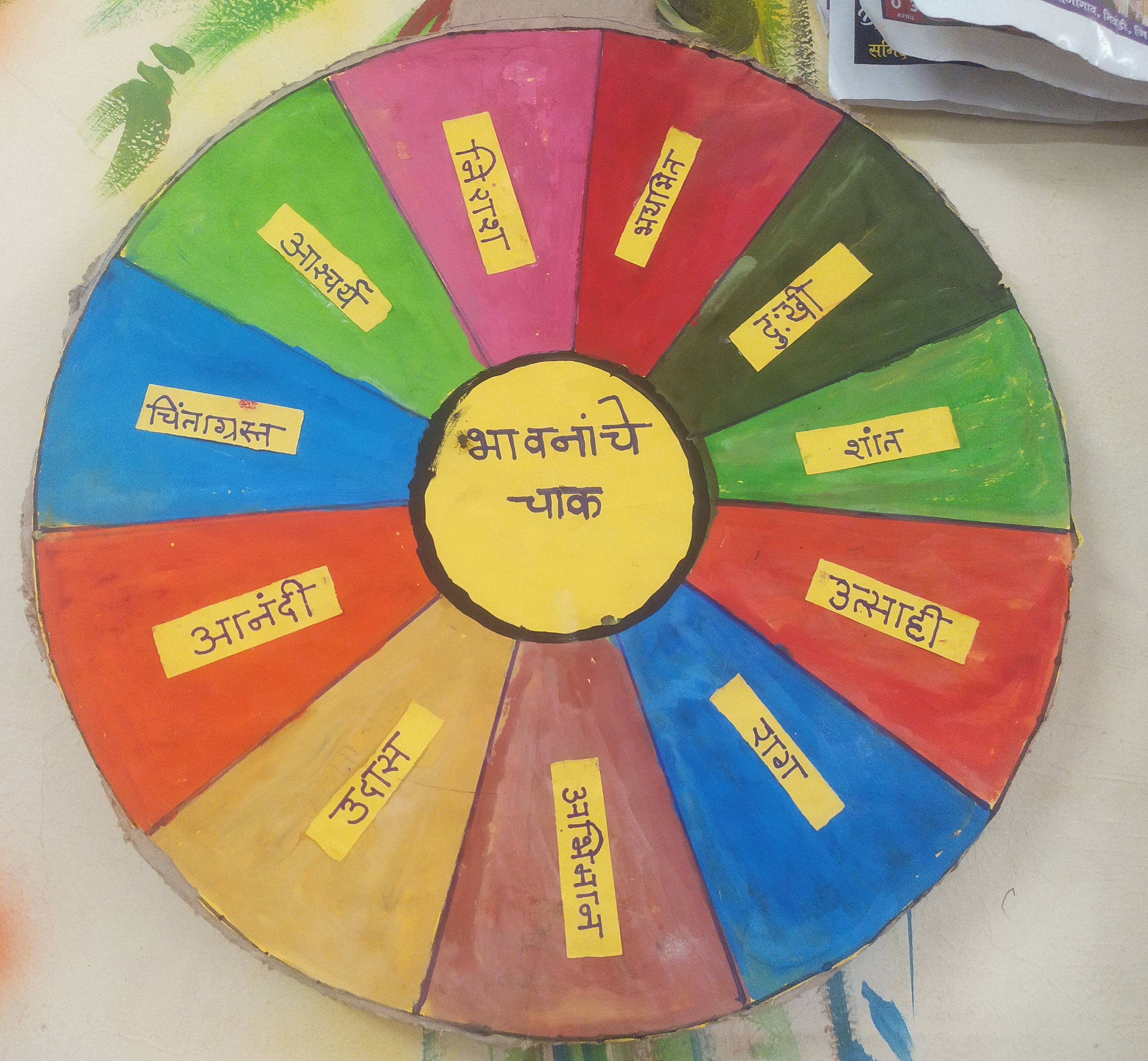
R. L. Jadhav madam stretched the boundaries of teaching English to address emotional management in class. She wasn’t formally obliged to guide students on emotional well-being, but she felt it was necessary for students.
Vishvas Kirpan Sir, ex-headmaster of Ashramshala, took the initiative to organize a Mumbai exposure visit for students. Taking on the burden of logistics, securing approvals from authorities, and accepting the risks involved, all for the betterment of the students.
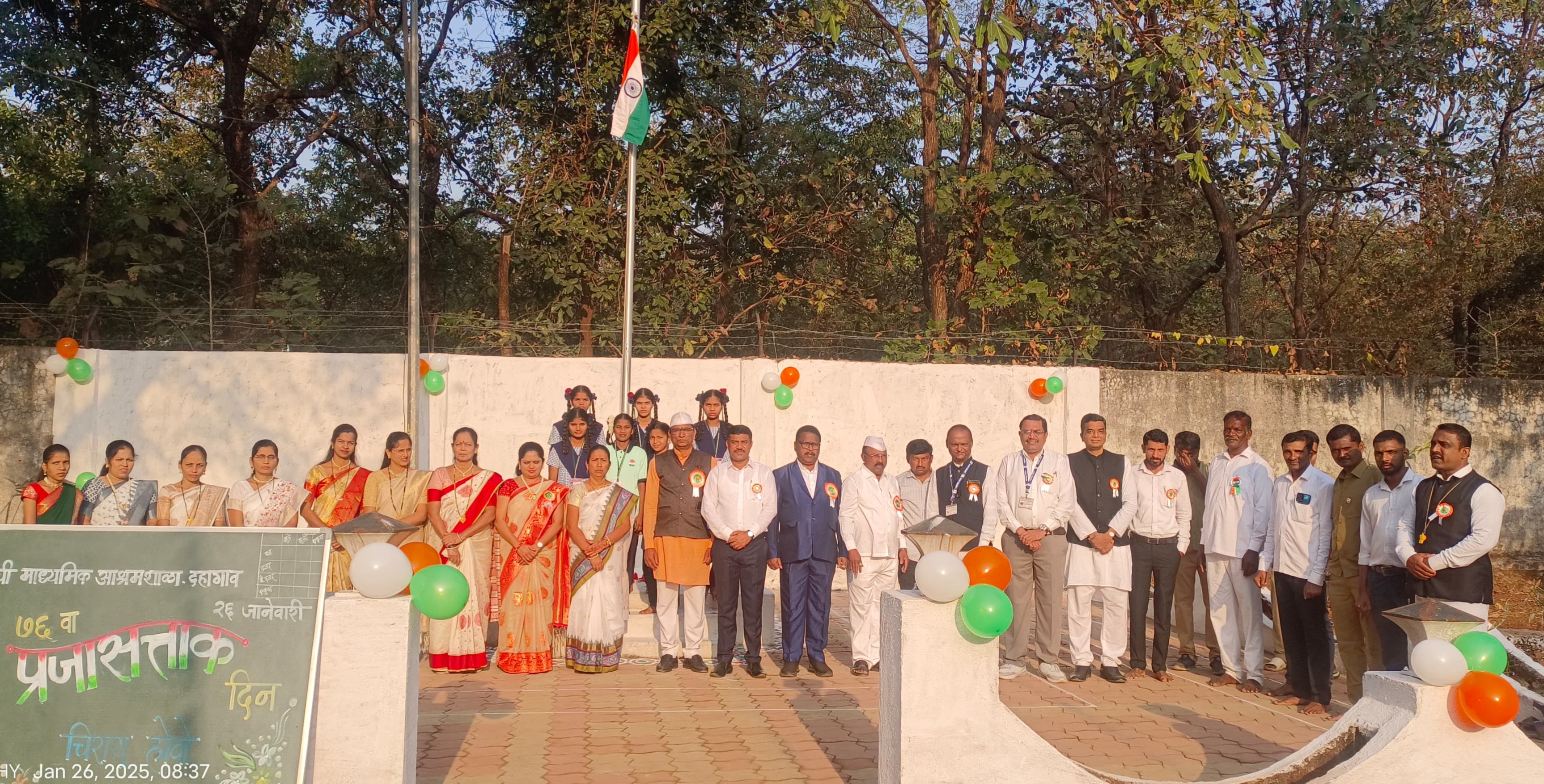
Demonstrating team spirit and collaboration, the school presented a performance on Republic Day – 26th January this year. Students of rural areas don’t generally get to engage in big functions.
There are many such success stories. But often, teachers face criticism for the failures of the education system. I aim to highlight their perspective through this blog.
Within a year of joining, young teachers encounter the harsh realities of the schooling system. The entrenched nexus of bureaucracy, apathy, and resistance to change stands before them. Attempts to innovate are met with suspicion. Sincerity is labelled as showmanship.
To survive, many new teachers learn to stay quiet. To not ask questions. To follow the manual, fill the files. Slowly, the fire that brought them in begins to fade. They blend in. They become “part of the system” they once grew up hating.
The question I had in this case was: Why don’t teachers raise their voices and revolt against the system?
I realised over the course of my fellowship tenure that responsibilities grow as we age. Commitments towards family reduce the appetite for risk. Survival takes over. Dreams of bringing change are replaced by dreams of securing a pension.
And the cycle continues…What People might call – The Dead Horse Theory.
 iVolunteer Blog - everything about volunteering