
Waste management is not just an urban challenge or a government mandate — it’s a cultural shift. And like all major societal shifts, it begins with education. Imagine if every child in our villages knew how to separate wet and dry waste, compost food scraps at home, and understand the environmental impact of a plastic wrapper tossed on the road. That’s the power schools have in shaping a waste-free future.
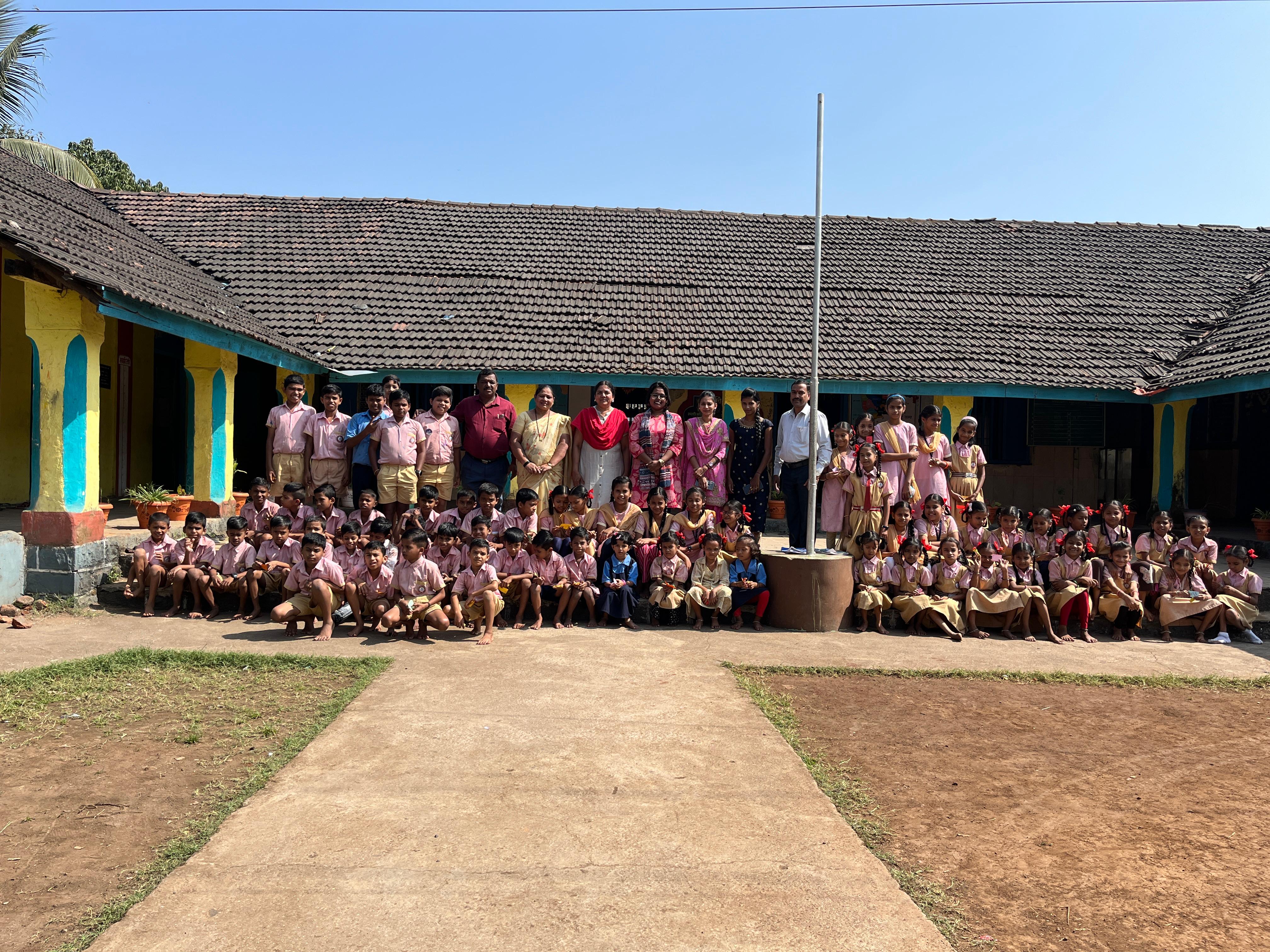
In my work across villages in Pen Block, Raigad district, I’ve seen firsthand how powerful children can be as agents of change. When taught the right habits early, they don’t just implement them they take those habits home and influence their families too.

Why Schools?
Schools are community hubs in rural India. They are not just places for textbook learning but spaces where future citizens are shaped. By integrating waste management education into school life, we lay the foundation for a generation that doesn’t just talk about cleanliness and sustainability but practice it.
Children, especially in classes 5 to 10, are at an impressionable age. This is when values, habits, and environmental sensitivity can be effectively nurtured. If a student learns why banana peels shouldn’t go into the same bin as plastic wrappers, they’re more likely to teach their siblings or even correct their parents. Believe me, I have testimonies of parents coming up to me and saying – “Madam! My girl yesterday taught me that onion peel that most of us thought was dry waste is actually wet waste. I was confused and impressed and later she also explained why. Thank you!”

How Schools Can Lead the Change
1. Classroom Lessons with Local Context
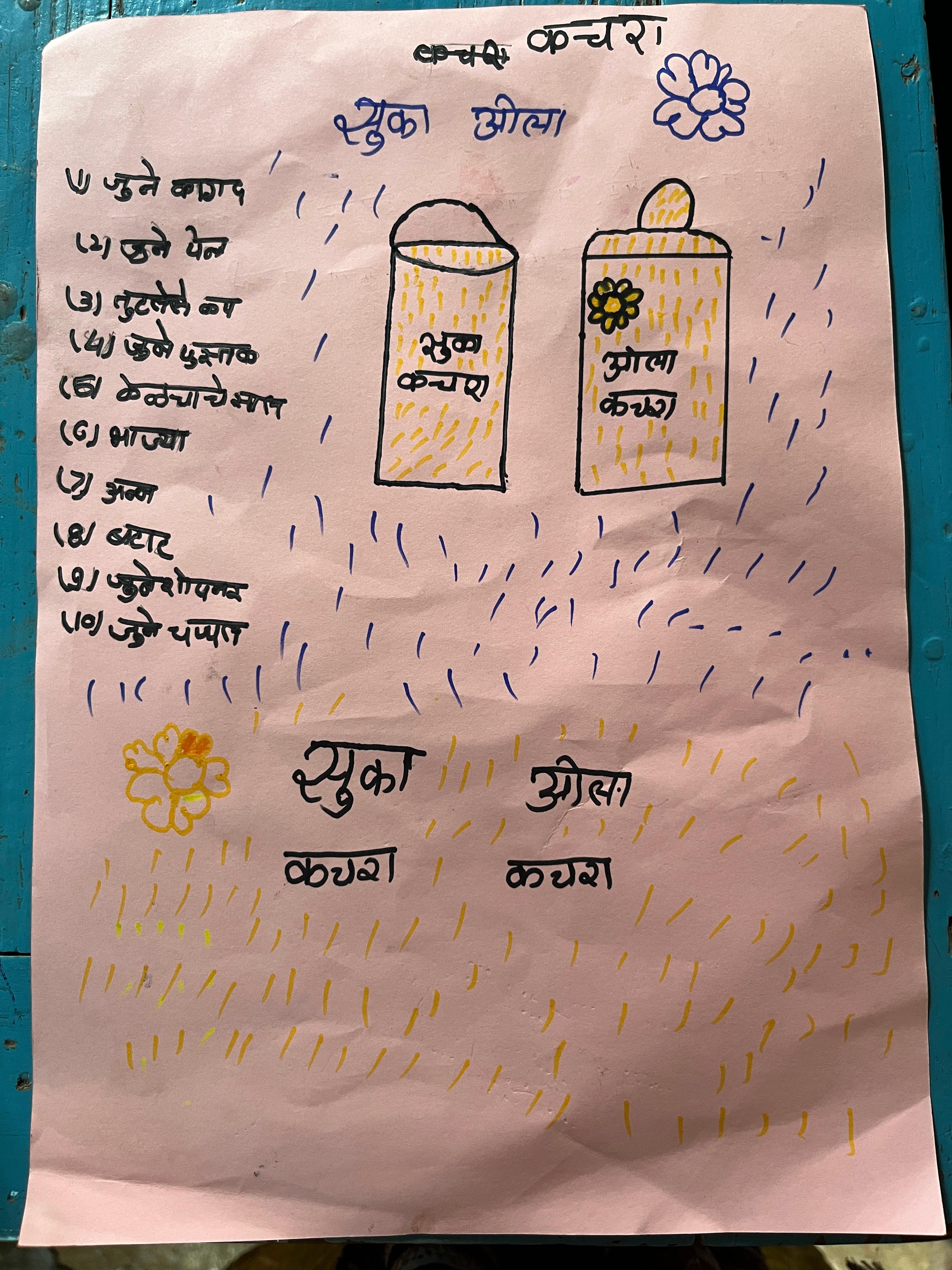
Using simple, local examples, like the difference between vegetable peels and a used chips packet we can teach kids the basics of wet (biodegradable) and dry (non-biodegradable) waste. Interactive charts, local case studies, and stories from their own villages make learning relatable. Also, it is imperative to tell children the ‘WHY?’ behind everything, so that what they are able to retain what they learn in the classroom. For example, the dried garden leaves does not fall under the dry waste category. But why?
2. Composting as a Practical Activity
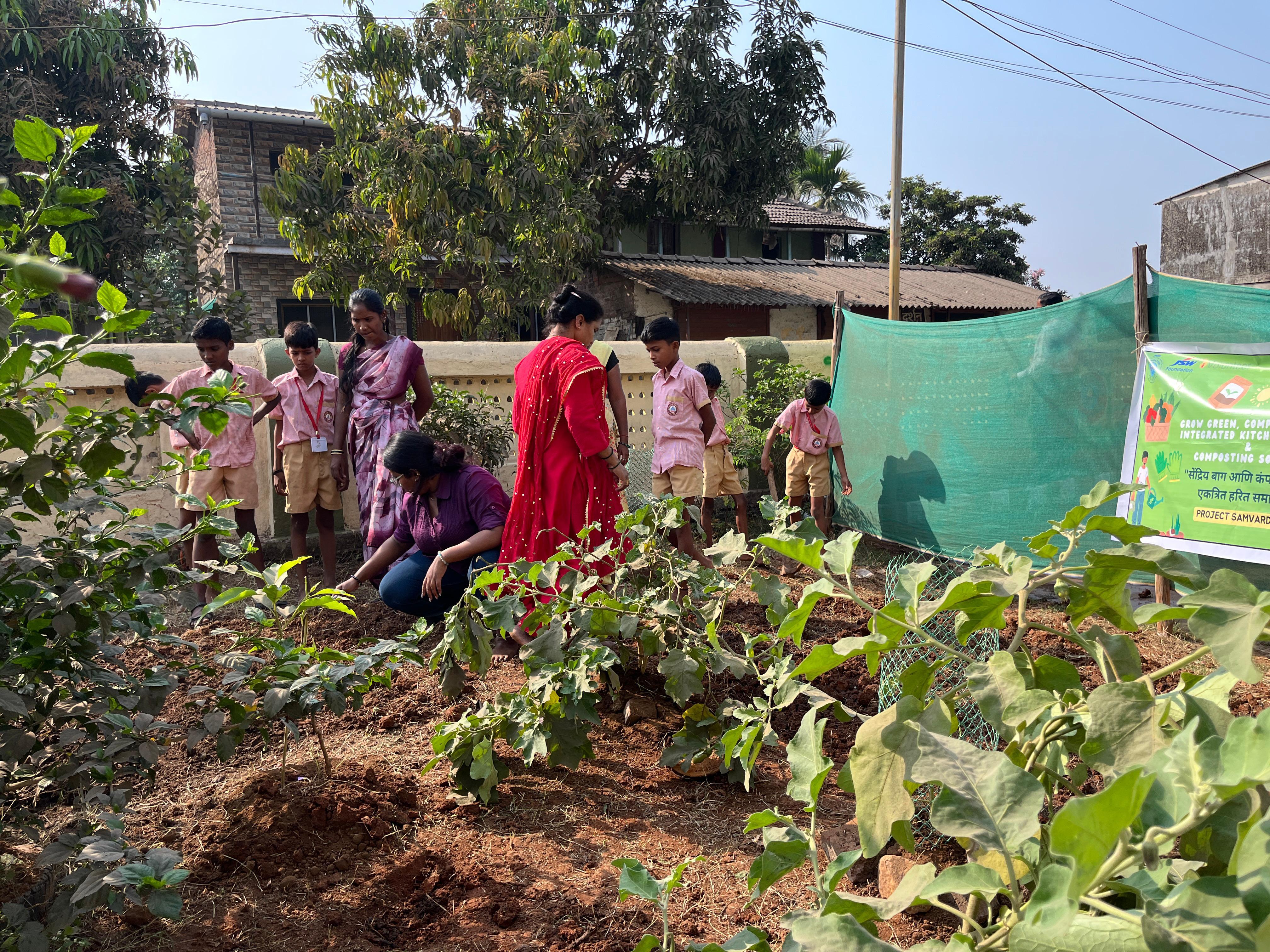
Set up a small compost pit or a matka (earthen pot) composter in the school. Let each student bring kitchen waste from home once a week or ask them to use the kitchen waste from the school canteen. Assign roles like “Waste Monitor” or “Compost Captain” turns the process into a fun, hands-on learning experience. They can also have a few members of their club be trainers who can instruct the canteen in-charge or the house-keeping at school so that they too can be instrumental in this process.
3. Waste Segregation Bins in Every Classroom
Implement a two-bin system, one green for wet waste, one blue for dry, right inside the classroom. Make it a rule to segregate any trash the students generate. Encourage peer monitoring to keep the bins correctly used. This can also be made into a school-wide competition! A reward for the cleanest classroom throughout the month/year and rewards for the monitors too! Apart from school captains in the school council, there can also be a ‘Campus Captain’, who would ensure that the school campus is clean, coordinate with the house-keeping committee, and maintain the aesthetics of the campus by keeping it clean and green.
4. Creative Reuse Activities
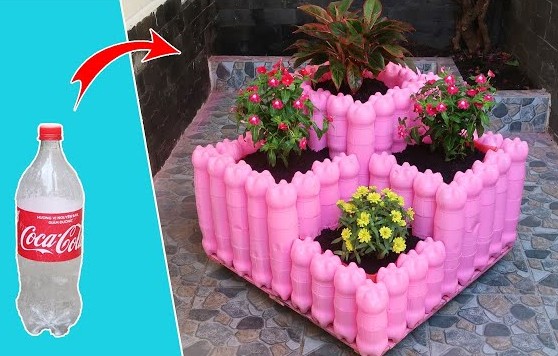
Conduct DIY workshops to make eco-bricks, plant holders from old plastic bottles, or shopping bags from torn clothes. Schools can become centers of creativity that teach children how to reuse before throwing.
Here I recall something very interesting from my childhood. On one of our annual vacations to my parent’s house in Kerala, I saw an Old Amma in my relation collecting plastic bottles everyday from wherever possible. I was completely blown away with what she did with those empty plastic bottles. She would fill them with sand or rocks, dig a shallow circular hole in her front yard and then start arranging them in a circle and then stack it up like a small well. Later she would fill the space with soil and plant trees in it! Her garden had so many such plastic bottle planters, which looked very neat and I mean, what a sustainable idea!
5. Street Plays and Awareness Campaigns
Students love to perform. Why not channel that energy into small plays or songs on waste segregation and plastic pollution? Let them perform in community gatherings or Gram Sabha meetings, this way, they educate others too.
Real Stories, Real Impact
At one of the government schools we visited, students began collecting clean dry waste from home and storing it in handmade cloth bags — an initiative inspired by a local Panchayat member. Within a few months, the children’s homes also started segregating waste. One child even taught his grandmother to stop burning plastic wrappers.
Additionally, teaching children that waste management is not a gender specific duty. In a lot of Indian household, kids grow up watching just their mothers, grandmothers or the women in the family handling waste. It is important for the children to understand that this is a duty everyone, irrespective of their gender should do. This is where schools play a crucial role. Busting such myths and misconceptions is just as important as learning anything else. Unlearn, Learn and Re-learn is the way to go!
Role of Teachers and Panchayats
For waste education to be sustained, schoolteachers and Gram Panchayat leaders must work together. Teachers can integrate waste topics into science or environmental studies classes, while Panchayats can support with infrastructure, like compost pits or bins.
Training teachers and sensitizing them is a crucial step. Often, teachers themselves haven’t been exposed to solid waste concepts. Workshops or exposure visits to functioning models can make a big difference.
Final Thoughts
Schools are where habits are formed, and students are the most powerful ambassadors of change. If we truly want to achieve Swachh Bharat in spirit and practice, we must begin in our classrooms.
My project, SAMVARDHAN — meaning “growing together” — focuses on rural villages, but the importance of waste management education extends far beyond. Urban schools, too, have a crucial role to play. While a few institutions have begun including waste management in their curriculum, I believe that true learning comes through doing.
Practical exposure — like participating in plastic collection drives, beach cleanups, shadowing waste pickers for a day, performing street plays on waste segregation, or learning to compost both at home and within the school premises — is where the real impact lies. Letting students literally get their hands dirty builds more than just awareness; it instills lasting habits.
Introducing such hands-on experiences early on can help dismantle generations of unsustainable practices and nurture a new, conscious way of living. Our young generation, if guided right, can grow up to be far more responsible, aware, and accountable citizens — perhaps even more so than many of us ever had the chance to become.
Let’s teach trash, not as a problem, but as an opportunity to act, rethink, and reshape our villages and cities for generations to come.
 iVolunteer Blog - everything about volunteering