

My own concern while getting a project location was to have access to tiffin boxes. I wasn’t ready to try my hand on cooking back then. Although I eventually learned to cook, staying near Mumbai taught me a lot about the city. I wish to explore about Lifeline of Mumbai – local trains in this blog.
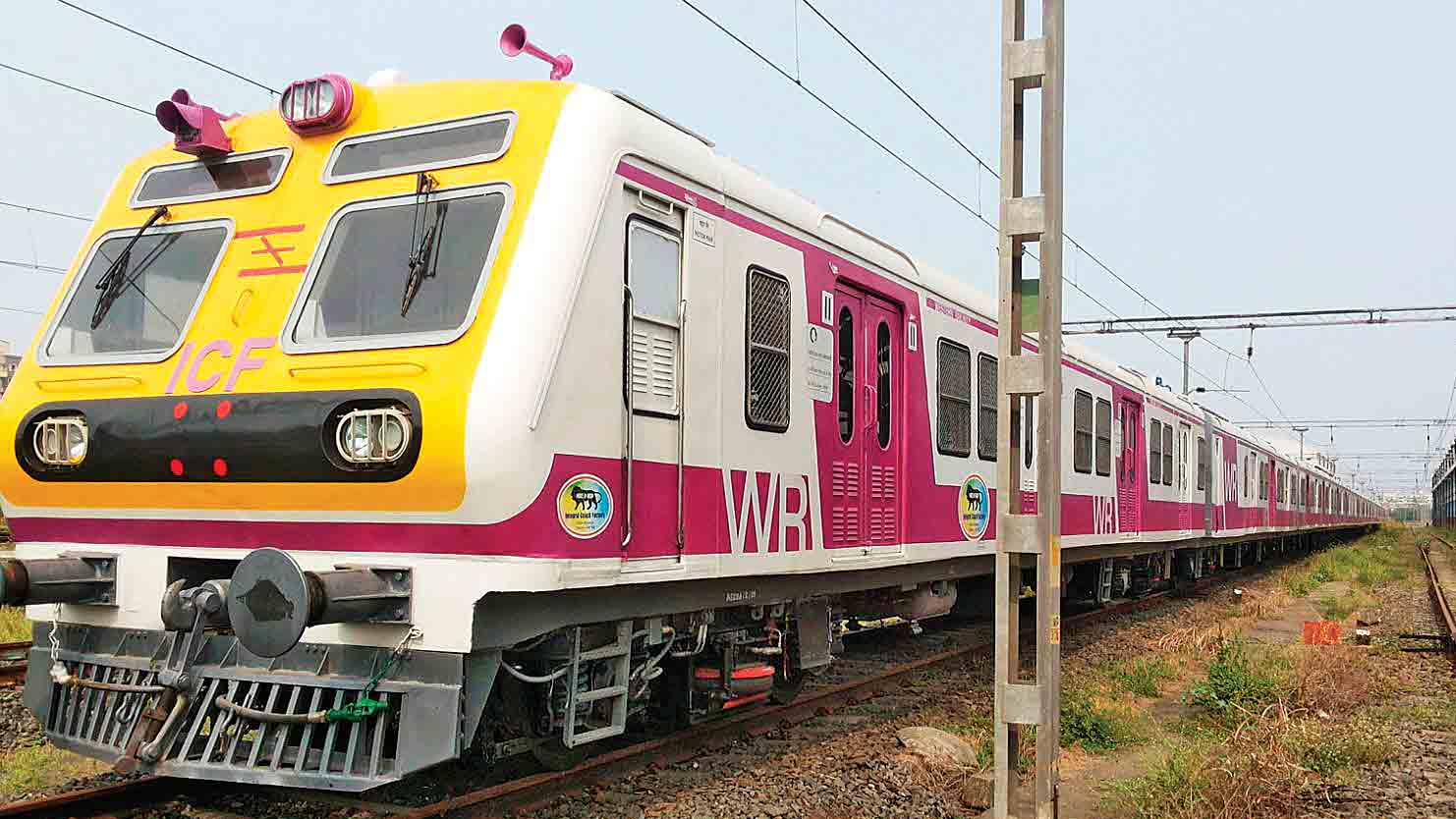
Approximately 7 million (70 lakh) people commute on Mumbai’s local trains daily. This cheap mode of travel helps people to save money and time otherwise stuck in traffic. Daily commuters often carry musical instruments to make best use of time and have some fun.One thing that got stuck with me was the categorisation of train coaches.
In my first few months, I once sat in first class coach with second class ticket, without realising it. Mumbai’s local trains separate citizens into “First Class” and “Second Class” compartments. It’s a legal reinforcement of economic division. Although I could afford first class ticket I felt bad and second class citizen. Isn’t that a form of class discrimination directly approved by the government?

Shouldn’t class discrimination also be included under Article 15. Article states that “No citizen shall be discriminated against on grounds only of religion, race, caste, sex, or place of birth “.
While discriminations based on race, region, religion, caste & gender need immediate attention, it’s important to recognize that many of these issues are rooted in economic inequality. For example, patriarchal society assigns role of cooking to females in households. Yet it encourages male employment as chefs in hotels. Everything seems to revolve around control over the medium of exchange – Money!
Economically, “class” refers to an individual’s financial standing. So if people are being treated differently based on how much money they can pay for a service – shouldn’t that also be considered a form of unconstitutional discrimination?
In air travel, passengers are divided into Economy and Business class. The services & physical space differ drastically based solely on what one can afford. This isn’t just convenience – it’s institutionalized inequality, normalised through a price tag.
Some may argue, “These are private companies. They can choose how to operate.” That’s the same logic used in the past when temples managed by male priests denied entry to women or marginalized communities.
And what about the Indian Railways, an institution run by the government? It follows the same model: First AC, Second AC, Third AC, sleeper, general compartment. Does this not depict the unequal income pyramid where wealthy class commutes sleeping in AC and the poorest citizens are crammed into unreserved coaches. Isn’t that a loss of dignity for economically weaker sections?
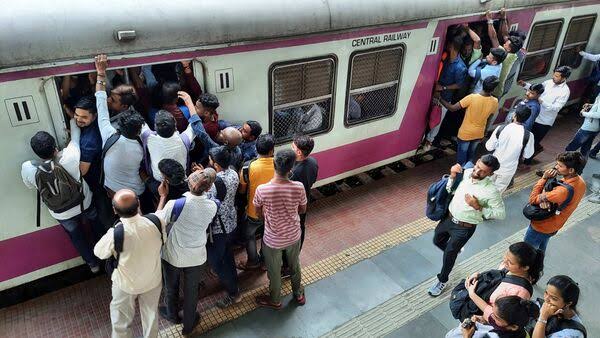
So where are our leaders in all of this? Are we citizens making them accountable for rising economic disparity and class discrimination?
The promise of equality can not be fulfilled while class remains the most accepted form of discrimination. The least the government administration can do is change the categorisation of compartments.
(images are taken from internet)
 iVolunteer Blog - everything about volunteering