
By Anusha Murali
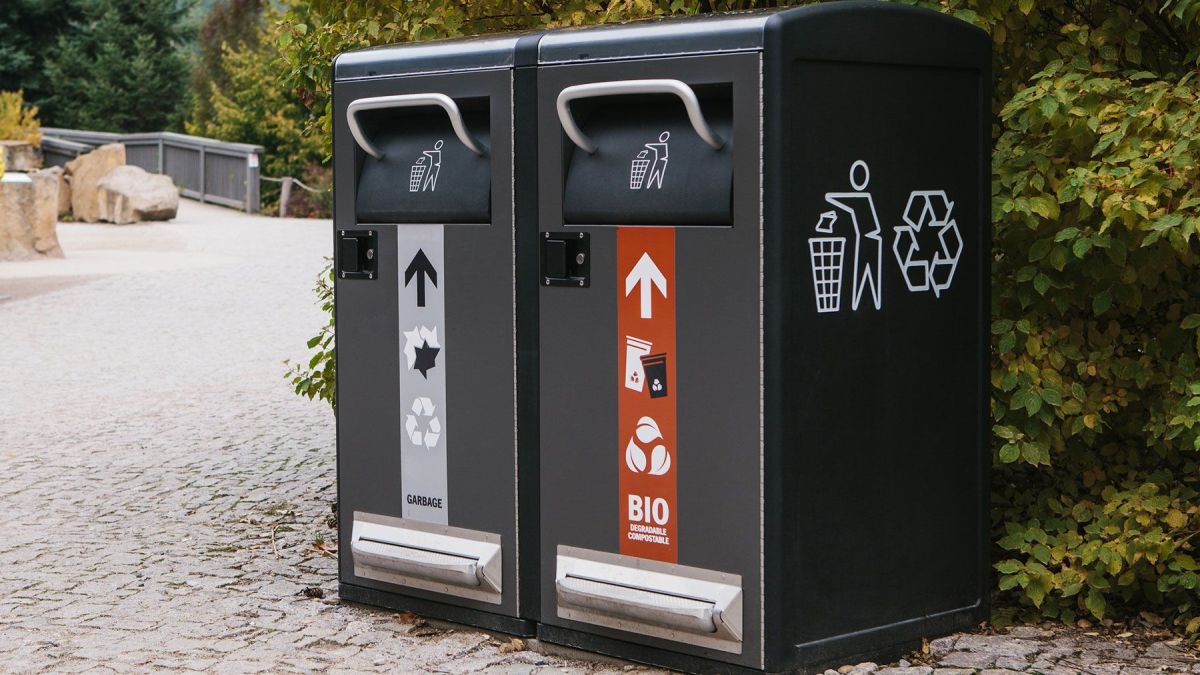
We’ve all been there, strolling through the spotless streets of a European city or watching them on western documentaries or travel vlogs, momentarily stunned by a futuristic trash bin that opens its lid as you approach, compresses the waste, then alerts the municipal authorities when it’s full. Ah, the joys of Western innovation! We come back to India inspired and itching to suggest, “Why can’t we have this here?”

Let me break it to you gently: we’re not quite there yet. And no, it’s not just because of funding or technology. The challenge lies much deeper — in the very soul (and smell) of the kind of waste we generate, the way we live, and the geography of our surroundings.
Let’s debunk this idea and start with the fundamental difference: What we throw away. In most Western countries, municipal solid waste is largely packaged, dry, and predictable like pizza boxes, soda cans, Amazon cardboard packaging, or the occasional banana peel. In India, on the other hand, our waste is a colorful, complex concoction of curry-stained paper, half-eaten samosas, vegetable peels, sacred ash, broken bangles, biscuit wrappers, and sometimes even small idols of gods (which, ironically, can’t be trashed but must be immersed with ceremony). If you add to this the ritualistic disposal of sanitary waste, coconut shells, and items like cow dung cakes in some rural areas, you begin to see the problem. Agreed, smart bins can detect types of waste if trained well, no offense, but ours would need a PhD in cultural anthropology, culinary diversity, and socio-economic disparities!
Up first, Trash Chutes: Great for New York High-Rises, but not Dharavi or Chandni Chowk. Trash chutes in buildings are another example of technology that seems efficient on paper. But in India, where housing typologies range from luxury skyscrapers to chawls, and dense unauthorized colonies to isolated tribal hamlets which makes this idea nearly impossible. Trash chutes need a uniform building design, regular maintenance, and here comes the twist, residents who don’t dump entire sacks of wet waste wrapped in plastic, clogging the entire shaft by noon. Not to mention the frequent electrical blackouts, irregular water supply, and limited lift access in older buildings, which already compromise the basic utility systems. Imagine dealing with a jammed smart chute on the 14th floor, in 45°C heat, with a dead battery backup.
Secondly, Smart Bins: High Maintenance, Low Compatibility. Smart bins are intelligent. But they’re too intelligent for our chaotic waste streams. Let’s say we install a solar-powered smart bin in a city park in Pune. It’s meant to open only when a person approaches, segregate waste, compress it, and alert the system when full. What actually happens? Someone blocks the sensor with a sticker of an advertisement, another person stuffs it with piping hot sambar in a plastic pouch, the solar panel gets dusted with soot from nearby vada pav stalls, someone’s kid thinks it’s a video game and jumps on it. And finally, the bin sends a message, not to the cloud, but to the local ragpicker’s WhatsApp, and because the municipal dashboard doesn’t work that day, the result: a very expensive, non-functioning bucket.
The third issue and perhaps the most important, that stands in the way of achieving a smart Waste Management System is – The Indian Landscape: Not Built for Plug-and-Play. India’s urban and rural settlements are complex. Cities like Mumbai, Delhi, or Bengaluru are choked with traffic and population density. In contrast, remote areas like the interiors of Jharkhand or the ghats of Maharashtra may not even have consistent access to waste collection vehicles, let alone data-enabled bins. Many areas still rely on manual scavengers, untrained sanitation workers, or overburdened municipal staff. The local “ghanta gadi” (bell-ringing garbage vehicle) may not even cover every street — especially those without clear addresses. You can’t just drop a smart bin in the middle of such an environment and expect it to function like it’s in Japan!
The Fourth and final, The Cost vs. Need: Are We Solving the Right Problem? Most of these technologies come with a steep price tag, not just for installation, but for upkeep, technical training, software maintenance, troubleshooting, and spare part replacements. Now compare that with the fact that many cities in India still do not segregate waste at source. Here, the need of the hour is not futuristic gadgets, but basic behavioral change. If even 50% of households in a city segregated their wet and dry waste properly, we’d solve more than half our solid waste crisis. But instead of investing in education, infrastructure, and better logistics, we’re dazzled by shiny imports that promise “zero-touch segregation.” It’s like giving a smartwatch to someone who hasn’t yet used a thermometer..
The Fifth and the most Crucial, The Role of Informal Workers: The Invisible Network. One of the biggest misfits between smart systems and India’s context is our dependence on the informal sector, the unsung heroes of our waste economy. Over 1.5 million people are employed informally in waste collection and sorting. These kabadiwalas, ragpickers, and scrap dealers know your trash better than any app ever could. They not only recover recyclable material but also ensure a circular economy at the grassroots. Smart bins, which aim to “automate” the system, displace these people without creating alternatives. Any new technology must work with them, not instead of them!
What we need first are low-tech, high-Impact solutions. Before we jump into tech-heavy solutions, let’s focus on low-tech, community-based models that fit our realities. Projects focused on initiatives like:
- Decentralized composting units in housing societies
- Door-to-door collection with real-time segregation monitoring
- Incentives for waste reduction and composting at household level
- Support and formalization for rag pickers and recyclers
- Education and awareness through schools and community events
- Reliable data systems at ward level for tracking volumes and behavior
These steps may not win us awards at smart-city expos, but they’ll make a real difference.
In Conclusion, let’s not dump logic in the bin. India is not Europe. And that’s not a bad thing. Our diversity is our strength — but also our logistical nightmare. Smart bins and trash chutes might work in a few gated enclaves or commercial hubs, but as a national solution, we need to be smarter than the bins themselves. So the next time someone asks, “Why don’t we have those fancy bins in our city?”, you can smile and say, “BECAUSE OUR WASTE NEEDS MORE EMPATHY THAN AI RIGHT NOW”
Let’s clean up — not just our cities, but our expectations too. Let’s accept and embrace our realities and do what we can to make the existing systems efficient and the best for everyone.
Have a trashy story? or a grassroots hack that’s working better than a smart bin? Share it in the comments below!
 iVolunteer Blog - everything about volunteering