As I reflect on my journey in this blog, I’m transported back to the moment that sparked my passion for menstrual health and hygiene. A pivotal field visit to a rural area during my master’s program exposed me to the harsh realities of cervical cancer and the crippling effects of poor menstrual hygiene. What struck me most was the systemic neglect of women’s health and the stigma surrounding menstruation, which perpetuates silence and suffering. This blog post will take you on a journey through a heart-wrenching incident that has been my guiding inspiration, fueling my commitment to improving menstrual health and hygiene.
The story that sparked my journey begins with a poignant memory from a field visit to Maholi village in Bolpur, Santiniketan, West Bengal. Our team spent an enriching day immersing ourselves in the traditional food, culture, and way of life of the Santal tribes, who reside in this small village of around 140-200 households. However, the tone of our visit shifted dramatically when we received the devastating news of a neighbor’s passing due to cervical cancer. This unexpected revelation piqued my curiosity, and I became determined to understand the intricacies of the disease. That moment marked a turning point for me, as I discovered the profound connection between cervical cancer and menstrual health and hygiene – a link that would go on to shape my passion and purpose.
When I was assigned a project on menstrual health and hygiene, I knew it was my chance to make a difference. It was exciting to share my knowledge and break down the barriers that prevent women from discussing their menstrual health openly. But, very soon I could face the resistance. During my initial field visits, women would whisper among themselves, hide their faces, or leave the discussion altogether. It was often disheartening to see my dream project being met with such reluctance.
Reflecting on the resistance and discomfort I encountered, I’m reminded of a particularly challenging experience. Despite meticulously planning an event tailored to the women’s comfort and preferences, they hesitated to attend or even participate. With a heavy heart and considerable effort, I had to reluctantly postpone the event. What followed was a daunting task – working to gently coax and motivate these women out of their comfort zones, encouraging them to overcome their resistance and embrace the opportunity.
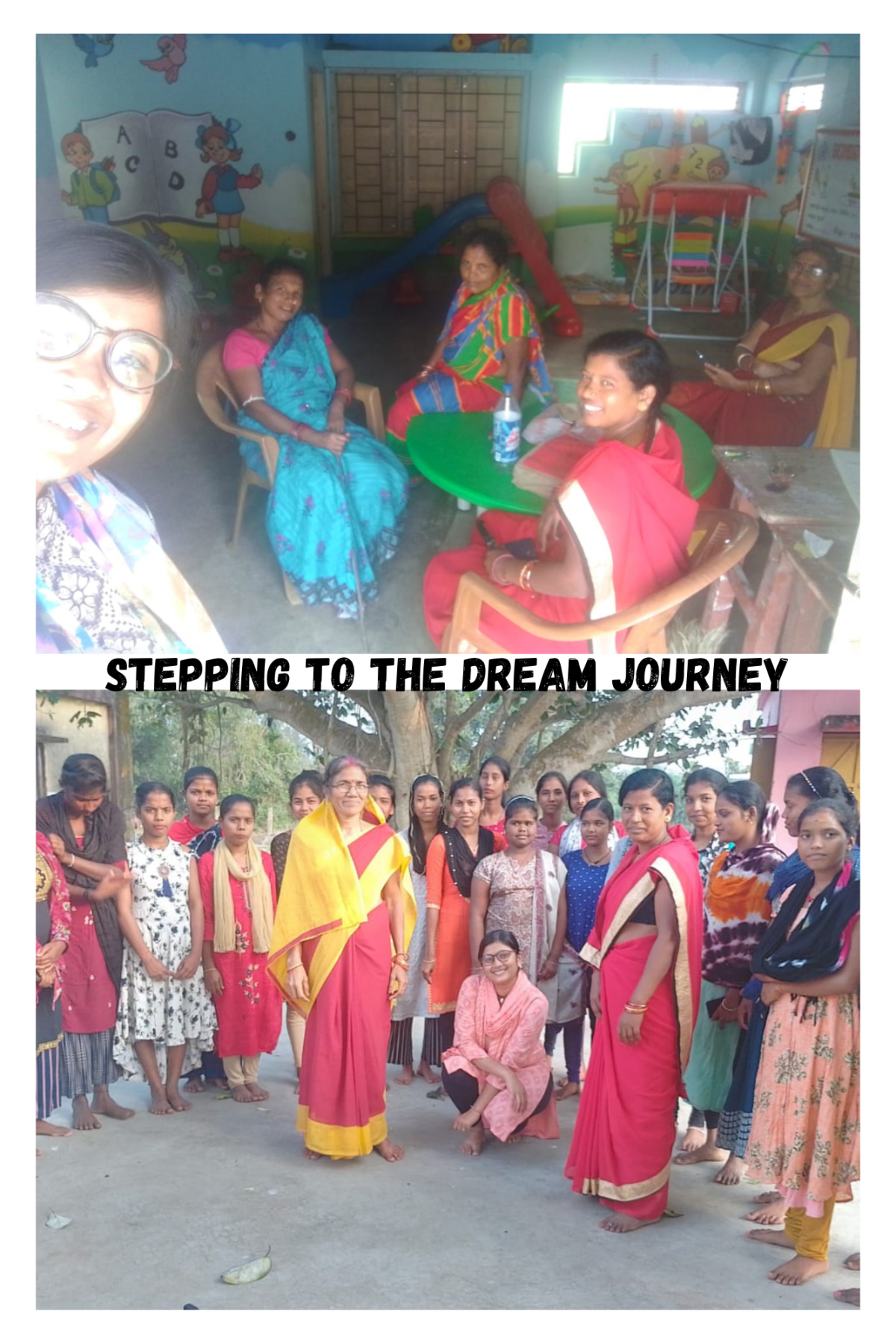
But I refused to give up, took a deep breath, identified the issues, and approached the topic with a new strategy. I began by sharing interesting facts and games that would pique the women’s curiosity and create a sense of comfort. Slowly but surely, the atmosphere began to shift. Women started to open up, and some even approached me to conduct sessions with their daughters. It was a moment of triumph, and I knew my project was taking root.
As the project progressed, it gained momentum. Volunteers came forward to help, and the sessions became more engaging and informative. Women and adolescent girls began to discuss their menstrual health openly, asking questions and seeking guidance on how to manage their symptoms and navigate their reproductive health. It was a beautiful sight to see them empowered with knowledge and confidence.
After months of persistent motivation and training, a memorable moment stood out – the day our respected Sir visited our location. I was overwhelmed with emotion as I witnessed a remarkable transformation. What touched my heart the most was when the girls surprised me with a poignant skit, vividly depicting the “before” and “after” scenarios of my impact on their lives. The role-play was incredibly moving, with the girls emulating my teaching style and mannerisms with remarkable accuracy. Moments like these are etched in my memory forever, serving as a testament to the power of dedication and connection.
Today, my project is more than just a dream – it’s a reality. Women and girls are breaking the silence around menstruation to some extent. They’re discussing their issues, asking questions, and seeking help without fear or shame. It’s a testament to the power of education and the impact it can have on people’s lives.
As I look back on this journey, I’m filled with a sense of pride and purpose. My project has shown me that even the most challenging topics can be addressed with empathy, creativity, and perseverance. I’ve learned that breaking the silence around menstruation is not just about discussing a biological process – it’s about empowering women and girls to take control of their health, their bodies, and their lives. If you’re passionate about creating change, I encourage you to join me on this journey. Together, we can create a world where menstrual health and hygiene are no longer stigmatized but celebrated as a natural and essential part of being human.
 iVolunteer Blog - everything about volunteering