As I stepped into Paradeep, it was met with a mix of excitement and apprehension. The place was vastly different from what I was used to, and couldn’t help but feel a sense of unease. The initial days were a blur of work and adjustment, with little time for celebration or festivity. Yet little did I know, this place had a lot more in store for me.
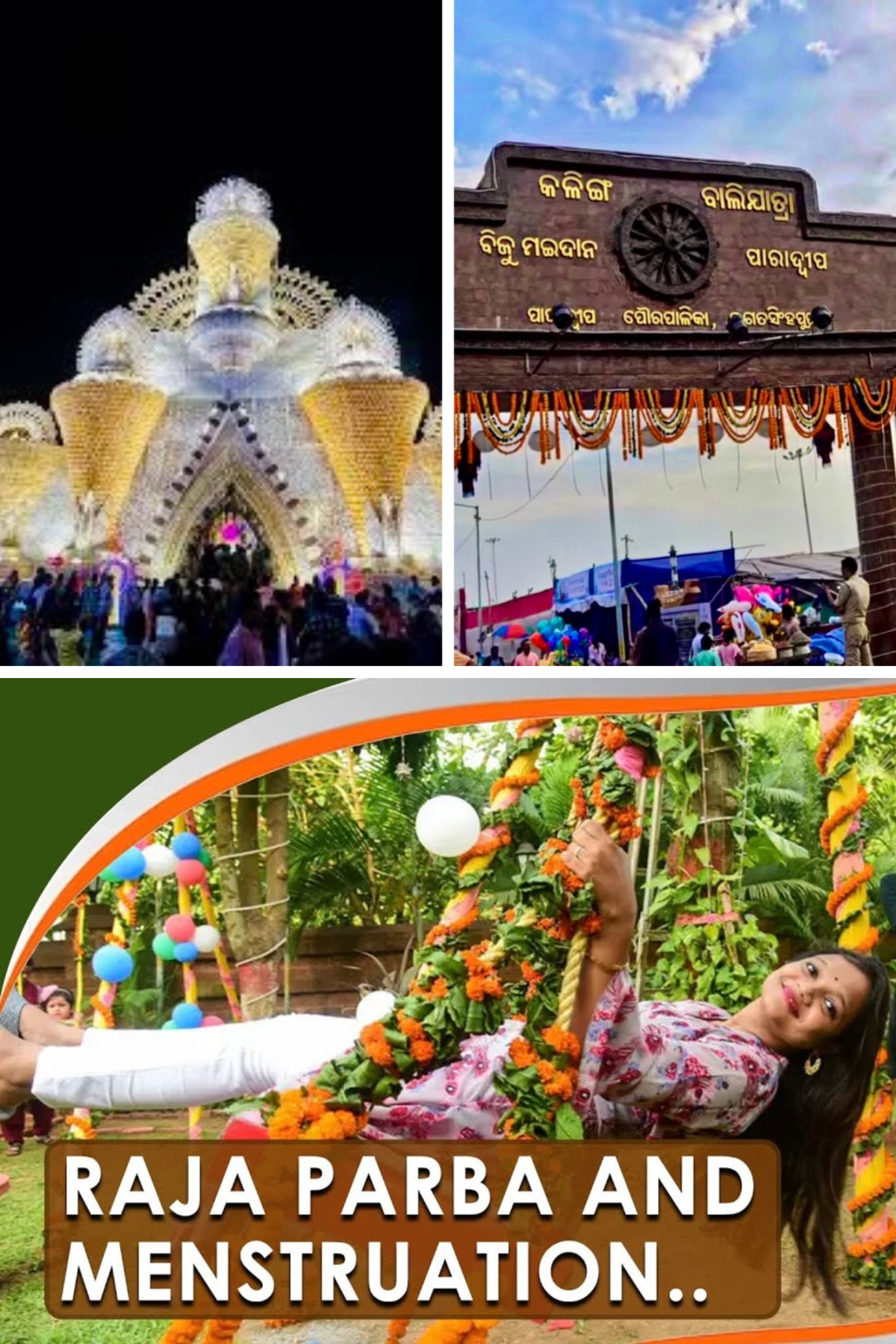
My perception of Paradeep underwent a dramatic shift on the night of Biswakarma Puja, a vibrant celebration honoring the goddess of instruments. The grandeur of excitement and splendor that unfolded over three to four days left me awestruck. Companies like IOCL, IFFCO, Bharat Petroleum, and Adani joined in the revelry with equal fervor, creating a spectacle that was both unexpected and breathtaking. Typically celebrated between September 15th and 20th, this festival brings Paradeep to life in a completely different way – the city of dust transforms into a colorful haven of lights, food, and celebration. This was our first festive experience in Paradeep, and as newcomers to the city’s cultures and customs, we stumbled upon an interesting surprise while visiting the market area for shopping purposes. The entire area was decorated with numerous elements, and people were basking in the joyous atmosphere; we were initially shocked but soon found ourselves enjoying the festivities immensely.
As I watched the festivities unfold, it felt a sense of wonder and curiosity. The vibrant colors, the music, and the energy of the people all came together to create an experience that was truly unforgettable. It was as if the entire town had come alive, and I was grateful to be a part of it.
But Paradeep’s cultural calendar doesn’t stop there. The Bali Yatra festival, celebrated with great enthusiasm in October–November, left another lasting impression on me. Learning about the history behind this festival—which commemorates the ancient maritime trade relations and the return of traders with wealth and essentials from Bali—was fascinating. The tradition of creating boat-like structures, known as Karti or Boita, and floating them in the sea, accompanied by prayers and blessings, was a mesmerizing sight to behold. The vibrant colors, the rhythmic beats, and the collective fervor of the people made this festival a truly unforgettable experience. I deeply admired how people honor nature, uphold the legacy of history, and instill a strong sense of Odia culture in their children. Bali Yatra is unlike any other cultural festival; it is unique to the coastal areas of Odisha, where the sea takes center stage and everything revolves around the beach.
And then, there’s Raja — a vibrant festival that celebrates motherhood and menstruation, observed every year in mid-June, typically from the 18th to the 20th. This festival holds a special place in my heart, as it resonates deeply with the core of my project. In Paradeep, Raja unfolds as a time of joy and renewal, marking the arrival of the monsoon and the beginning of a new harvesting season.
The celebration is rich with tradition: girls dress in new attire, their faces glowing with excitement, and are offered sweet paan as a token of respect and love. The air fills with the sounds of music and laughter, as communities come together through dance, song, and shared rituals.
Coming from a northeastern background where the goddess Kamakhya is revered and menstruation is embraced with pride, I found a familiar echo of that reverence here. Witnessing Raja’s enthusiasm and cultural pride brought a wave of nostalgia — as if the celebration of motherhood and womanhood was being lovingly revisited within me. It was more than a festival; it was a homecoming.
These experiences have not only broadened my perspective but also connected me with the rich cultural heritage of Paradeep. Each festival has left an indelible mark on my memory, and I’m grateful for the opportunity to be a part of this vibrant community.
As I look back on my journey, I’m reminded of the words whispered by the Bay of Bengal – “Ya to shuruwat hai, aagey aagey dekho hota hai kya” (This is just the beginning, let’s see what unfolds). And unfold it has, into a beautiful tapestry of cultures, traditions, and memories that I’ll cherish forever.
 iVolunteer Blog - everything about volunteering