

Tribal Women: A Symbol of Courage, Resilience, Entrepreneurship and Transformation
In India, tribal women hold a crucial yet unrecognised role within the local economies, especially in rural and tribal areas. Their roles extend beyond traditional responsibilities, making substantial contributions to various sectors. In agriculture, they engage in farming activities, often leading initiatives in sustainable practices that enhance agriculture and food security for their households. Additionally, tribal women frequently participate in informal labour, taking up jobs as farm labourers or in construction, weaving, and other forms of artisanal work, providing critical financial resources for their communities.
As we continue to grow, we’re thrilled to share the incredible stories of women who are at the forefront of micro-enterprises! These remarkable individuals are not just running small businesses; they’re igniting local economies and uplifting other women in their communities. Today, I’m excited to introduce you to Bebi Tai, a fearless tribal woman whose courage and determination embody the spirit of transformation! Get ready to be inspired!

Moments of Courage:
I had the privilege of meeting Bebi Tai about 16 months ago during a visit to the village of Chambarshet, which is located 27 kilometres from Taluka Jawhar in the Palghar District of Maharashtra. A senior colleague of mine spoke glowingly about her, and we were fortunate enough to visit her home. I will always remember her warm smile and the heartfelt welcome we received. She radiated excitement and kindness. My senior introduced me to her and shared how she has a unique way of nurturing her guests—no one leaves her home with an empty stomach. She has such a motherly touch and embodies the essence of a truly good human being. At 52 years old, Bebi Tai is an incredibly energetic woman.
Moments of Resilience:
I later discovered that a fellow JSW Foundation member was working with a Self-Help Group that included Bebi Tai, focusing on an eco-tourism project aimed at showcasing traditional food and village life. They developed skills in hospitality, hygiene, and financial management, creating a menu and pricing for accommodations. Although there was initial interest from visitors, the initiative struggled to gain momentum, and it was disheartening to see my co-fellow leave Jawhar after his fellowship. I found it challenging to support the venture further, feeling disappointed for these talented women and their promising project.

After not seeing Bebi Tai for three months, she called and suggested we meet up in Jawhar for a chat. When we got together, she asked us to support her in generating income. Bebi Tai lit up when she talked about how sometimes people reached out to buy their farm products like rice and millets. I asked her, “Why not sell your products directly to shops or people and generate income from it?” She got excited about the idea, but mentioned they didn’t know how to go about it. I suggested organising a meeting for all the interested women who might want to start a small business.
Moments of Entrepreneurship:
After a heartfelt and inspiring meeting, Bebi Tai and her two friends felt a surge of excitement as they embarked on the journey to start their own business. Together, they envisioned a venture that would not only reflect their dreams but also honour their roots. They decided to pack, label, and sell their products under the name “KANSARI,” a name that resonates deeply with their shared vision. Inspired by the goddess who nurtures the seeds that give life to our planet’s beautiful flora and fauna, “Kansari” symbolises their commitment to both culture and community. And decided to sell their products like pounded rice, toor dal, urad dal, millet, chutneys, and more, are a testament to their dedication and rich cultural heritage. They made it a priority that all Kansari products would be cultivated and processed by the tribal farmers from their village, utilising traditional methods and local seed varieties. This approach not only honours their traditions but also empowers these farmers, ensuring they receive fair and competitive prices for their hard work. Together, they had not just created a business; they were weaving a story of resilience, culture, and community support.
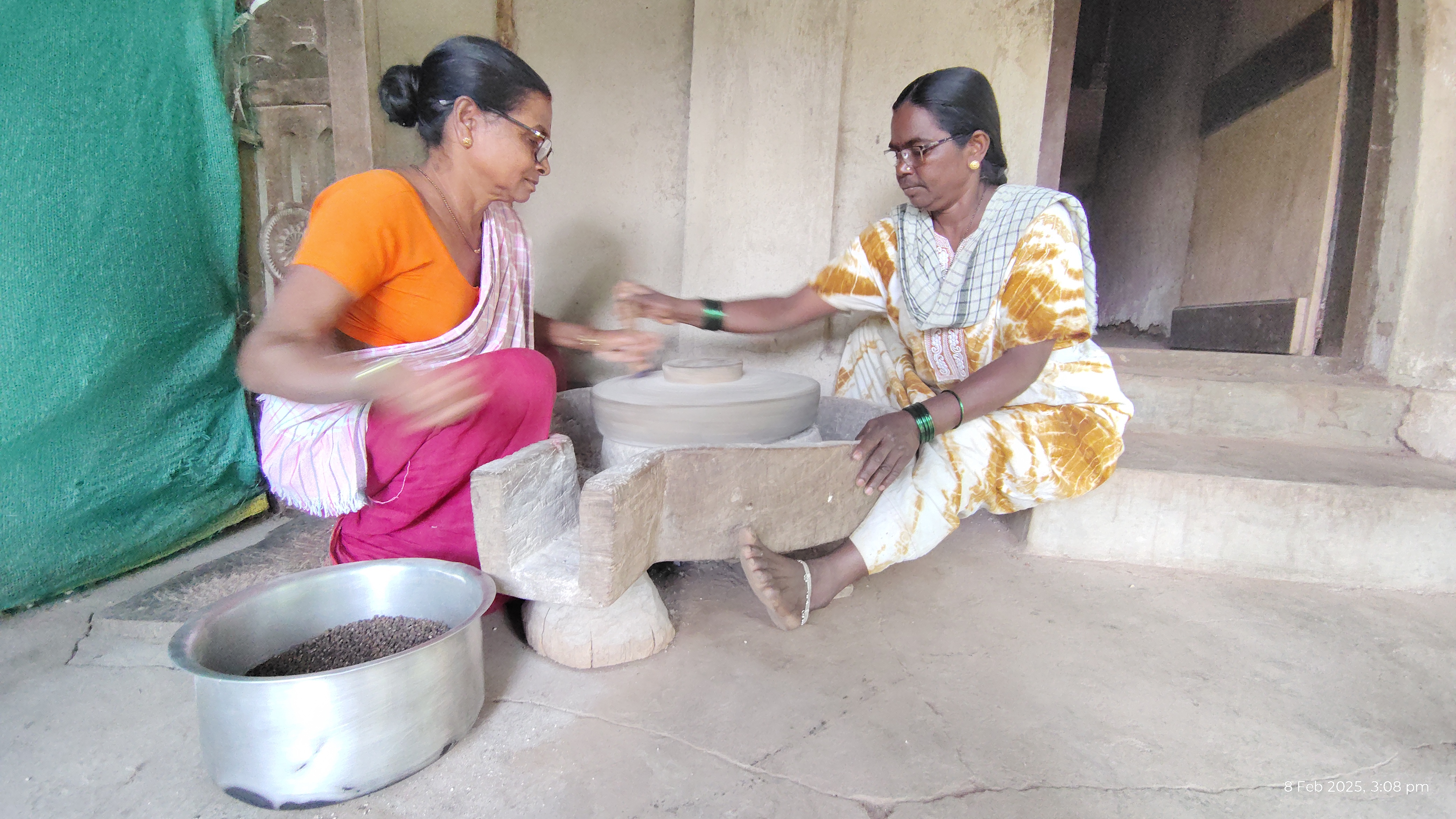
My heartfelt goal has been to guide and support these incredible women in establishing their social enterprise. As part of the JSW Foundation Fellowship Project, “Samruddha Village,” I dedicated myself to helping in various essential areas. This included not only capacity building for the group of women in logistics and management but also in pricing, sales, labelling, packaging, branding, and commercialising the unique “Kansari.” As we journeyed together, I was inspired to see six tribal women come together, united in their vision to create a platform that fosters a value chain for selling their products directly to consumers through exhibitions and direct sales.
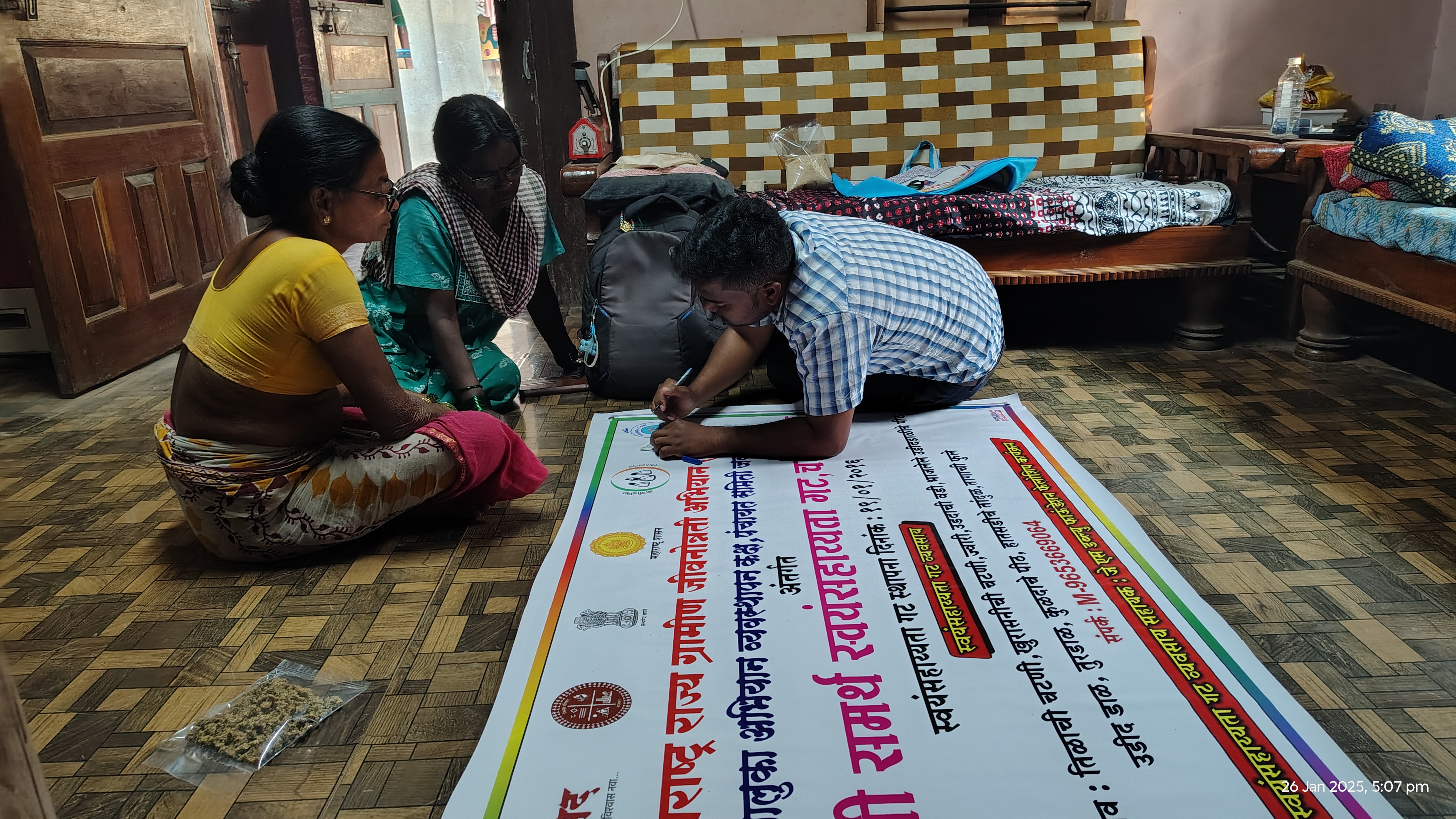
I took the initiative to connect our venture with UMED – The Maharashtra State Rural Livelihoods Mission (MSRLM), which operates under the framework of the Deendayal Antyodaya Yojana – National Rural Livelihoods Mission (DAY-NRLM). After completing the necessary documentation, the Block Manager of UMED Jawhar partnered with us to support Self-Help Groups (SHGs) in formalising their enterprises and establishing women-led businesses. This collaboration transformed our initiative into a recognised “Micro Enterprise.” UMED played a pivotal role by facilitating our registration for an exhibition, leading to the selection of the Swami Samarth SHG to participate in a prestigious district-level exhibition at SARAS 2025 in Palghar. This event provided them with their first opportunity to showcase their unique “KANSARI” products. Over three days, the SHG generated a remarkable income of INR 21,300, demonstrating the potential of their enterprise.
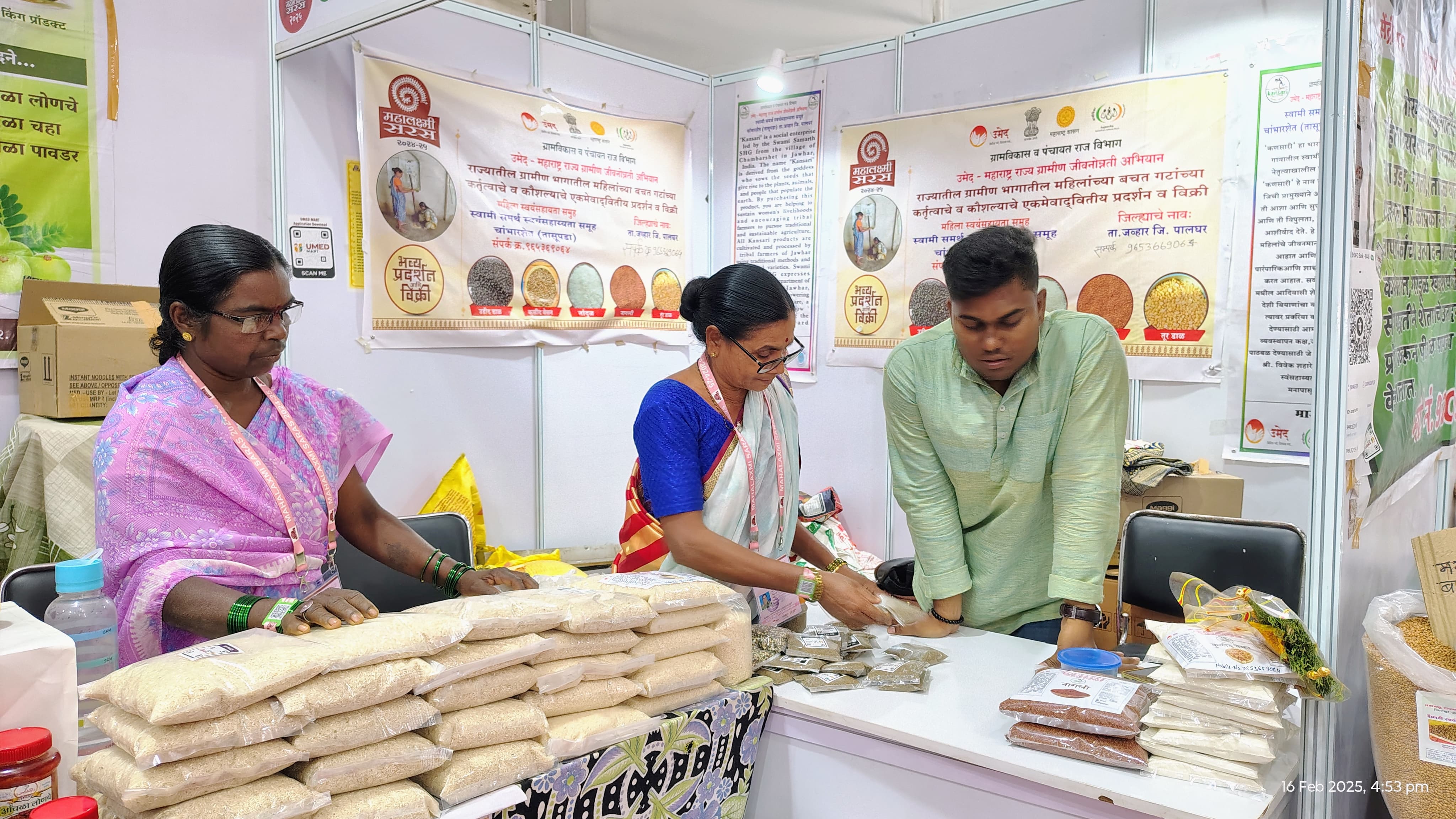
Building on this success, UMED Palghar selected our SHG for participation in the state-level exhibition “Mahalaxmi SARAS 2025” held in Mumbai. This exhibition helped them generate nearly INR 50,000 within five days, providing income to six women. This grand event allowed them to represent “KANSARI” on a much larger platform, where Bebi Tai and another member had the chance to stay at a hotel in Mumbai for the first time over seven exciting days. This experience not only empowered them but also left them feeling motivated and confident in their entrepreneurial journey, solidifying their commitment to fostering further growth and opportunities within their community. During the exhibition, Bebi Tai, along with other members of the SHG, actively engaged in exploring the event and underwent a transformative experience that enhanced their leadership skills. They not only gained confidence in presenting their products but also created valuable opportunities for other farmers in the village, enabling them to sell their harvest at fair prices.
Moments of Transformation:
Currently, over 12 women have proudly joined the “KANSARI” initiative, bringing together more than 15 farmers who have directly benefited from this empowering movement. They are not only building connections with individual buyers but also preparing for upcoming exhibitions. Bebi Tai and her dedicated team are focused on enhancing their packaging and expanding the reach of their products while connecting more women and tribal farmers. Bebi Tai’s efforts are not only supporting her livelihood but also for women in her village.
Stories like Bebi Tai’s empowerment showcase the immense value of collectivisation, collaboration, and the direct relationship between farmer and consumer. Such initiatives serve as a powerful tool for women, offering economic opportunities, financial independence, and social empowerment. By fostering avenues for women to create and grow their businesses, microenterprises lay the foundation for financial security, bolster confidence, and contribute to overall community development. This model underscores the significance of local support systems and interventions, including mentorship programs and the involvement of youth, along with the convergence of government schemes. The effectiveness of government initiatives aimed at micro, small, and medium enterprises (MSMEs)—like the Prime Minister’s Employment Generation Programme (PMEGP) and Mudra Yojana—can significantly empower women entrepreneurs by providing vital financial assistance, training, and support.
One of the most profound impacts of women in entrepreneurship is their ability to inspire and empower future generations. By leading by example, female entrepreneurs encourage young girls and women to dream big, take risks, and pursue their entrepreneurial ambitions. Women like Bebi Tai exemplify the transformative power of access to training, resources, and support. Tribal women truly represent courage, resilience, entrepreneurship, and transformation.

 iVolunteer Blog - everything about volunteering
One reply on “Bebi Tai: A Farmer and Entrepreneur”
wow what an inspiring story , vivek thank you for sharing it with us. Because of you we got to know about Bebi tai and her incredible work.
LikeLike