After spending over a year and a half working in the world of Solid Waste Management, I can confidently say—there are some sights, smells, and truths that no human can ever be okay with, only if they knew and saw as much.
It’s funny how so many of us flinch at the simple act of scraping leftovers on our plates into a bin. I have seen people in such haste while doing it as if it was a sport! There’s the classic nose-wrinkling, breath-holding sprint—fork in one hand, plate in the other—aiming for the bin like it’s a basketball hoop. Spoiler alert: most of the food misses the bin creating a mess around the area. Then there are the stealthy avoiders, the cheaters, who quietly slide their dirty plates under the sink like a guilty secret, as if the food will magically vanish overnight. Instead, it clogs pipes, breeds flies, and stages a dramatic return as a kitchen disaster. Now having said all these things, what happens after that moment of avoidance or discomfort? What happens to the food, the wrappers, the discarded scraps we so quickly want to forget? That’s the part I wish more people could see—because once you do, there’s no going back.
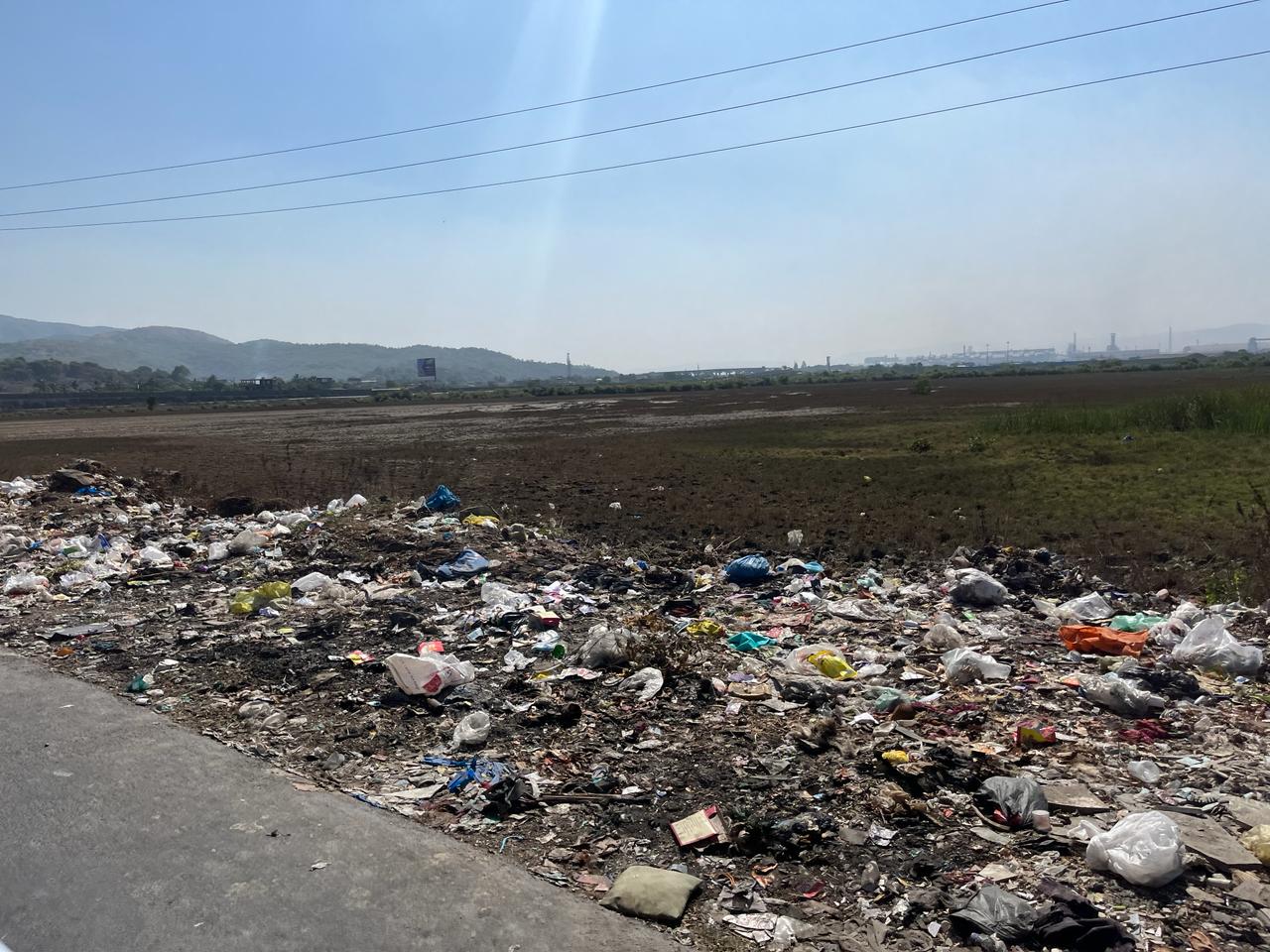
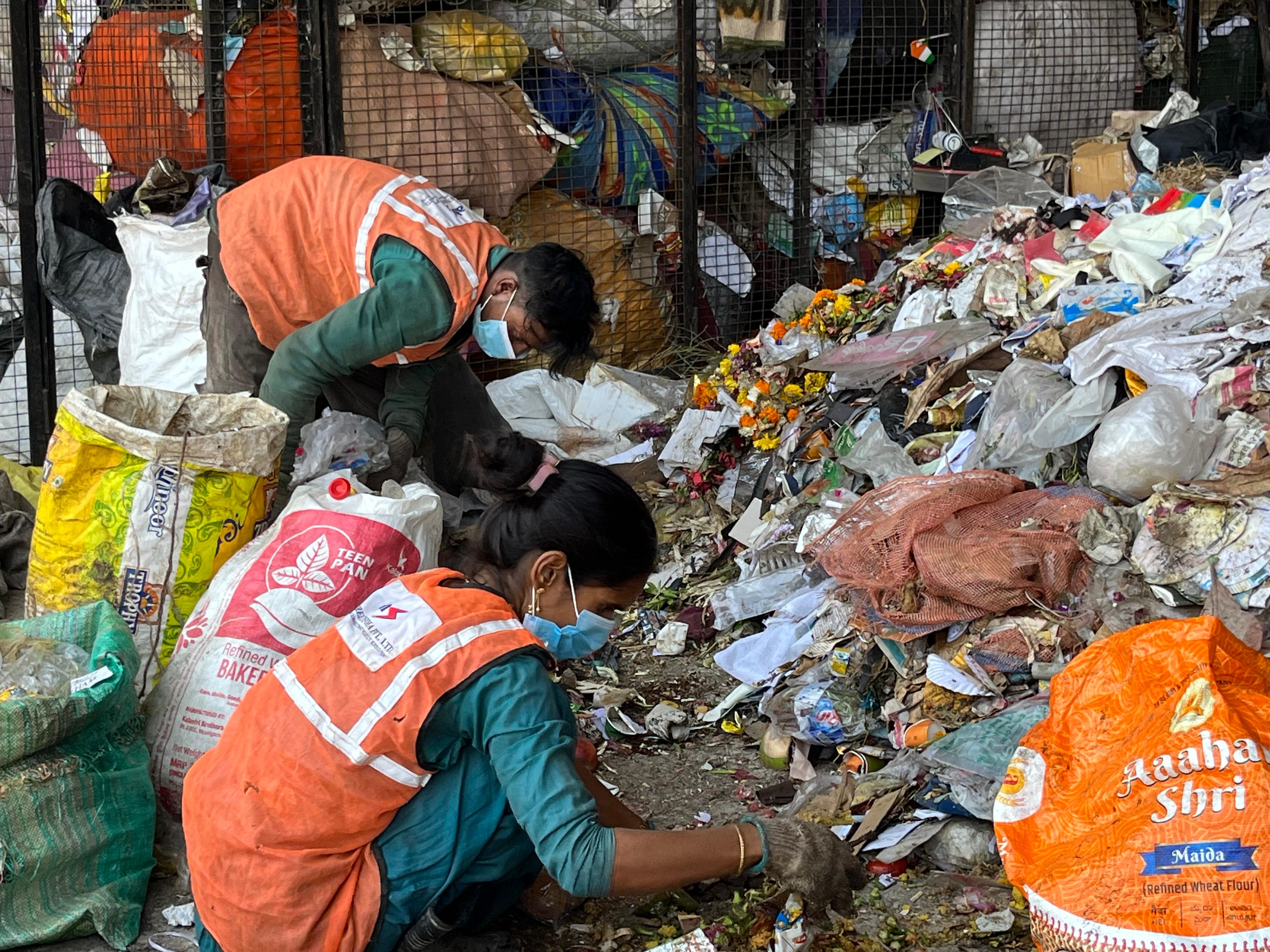
The areas around our dustbins, the drains we block, and the waste we discard so carelessly are all eventually cleaned—not by machines, but by people. Human beings, just like you and me. When this waste is transported to processing facilities, it must be segregated—dry from wet—to enable proper recycling. This, too, is done manually by workers who handle every discarded item with their bare hands. The clogged sinks and drains caused by our negligence are also cleared by these same individuals. And yet, we often forget that these workers are no different from us—they have the same senses, the same aversion to filth, and the same right to dignity. Knowing this, how is it that we continue to ignore the consequences of our actions? Why do we leave our mess for someone else to deal with, when all it takes is a little mindfulness, a shift in daily habits, and above all, a sense of empathy and responsibility?
Reflecting on this issue takes me back to my visits to waste processing facilities—places where men and women, equipped with nothing more than basic gloves and masks that did not at all help with the smell (I know because we used the same masks during our visit), sit for hours sorting through heaps of mixed waste. The wet waste is eventually fed into large digesters to be converted into compost. But it’s the conversations I had with the workers that have stayed with me the most.
One of the women, I remember very distinctly, began to cry with tears and said –”Madam, log kyu nahi samajhte hai ki hum bhi insaan hi hai, ganda diaper, sanitary pad, khaana, sab ek saath hi daal dete hai” (“Madam, why don’t people understand that we are human too? They throw dirty diapers, sanitary pads, and leftover food—everything—all in one bag.”). Another lady added – “Hume ye kaam karne ke baad, inhi haathon se khaana banana aur khaana padta hai” (“After finishing this work, we have to go home and cook food with these very same hands.”). A man, who had been working there for over a year, quietly shared – “Ye smell itna bhar jaata hai naak mein ki khaana bhi nahi khaaya jaata tha pehle pehle, lekin ab aadat ho gayi hai” (“The smell used to make me nauseous. I couldn’t eat at all in the beginning. Now… I’ve just gotten used to it.”). Listening to these stories, I couldn’t help but feel ashamed for all those moments I had once thought that segregating my waste was too much effort—or that it didn’t really matter. The truth is, it does matter. It matters a great deal. And each and every one of us must care—Because behind every unsorted garbage bag is a human being forced to deal with what we chose to ignore.
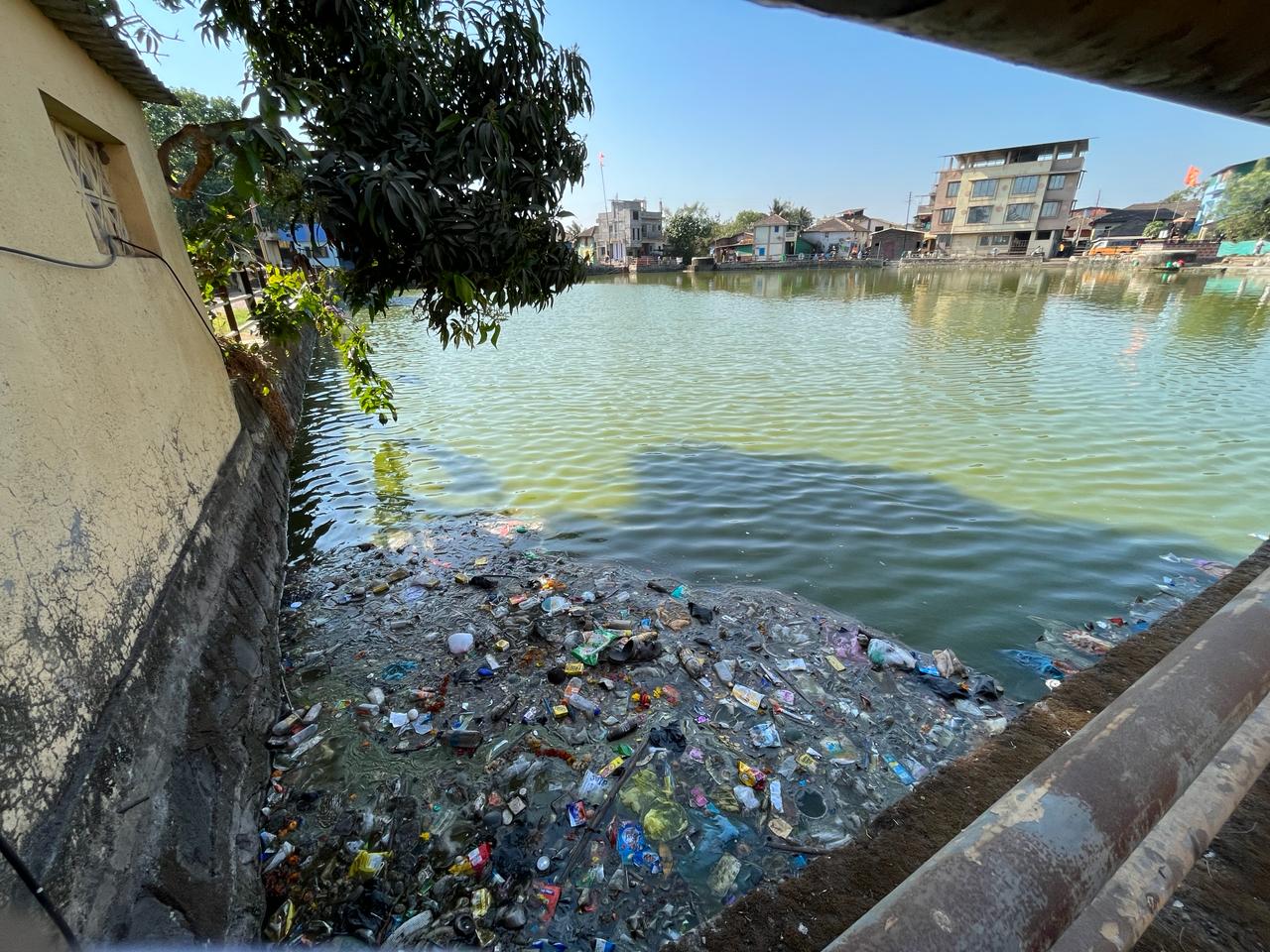
By definition, waste is something we no longer find useful—what’s left behind after we’ve consumed a product or made use of a service. So, logically speaking, why should anyone bother about what’s already been used up? Why waste time on waste? (Yes, pun intended.) But here’s the thing: everything we humans create ultimately becomes our responsibility. And that includes waste. Discarding something doesn’t mean we’re free from it, it just means someone else has to deal with it. Which is why managing our own waste isn’t optional; it’s a responsibility each of us must own.
It’s important to recognize that effective waste management isn’t solely the responsibility of the government or municipal bodies—it begins with a simple change in individual behavior, that is, discarding waste into two different bins, wet and dry. This small, conscious change can significantly ease the burden on the system, making segregation and processing more time- and cost-efficient, and ultimately strengthening the recycling chain.
Equally crucial is the need to sensitize citizens about the dignity and role of waste pickers and all those who work within the waste management ecosystem. Cultivating a basic habit like waste segregation isn’t just a responsibility, it’s a mark of empathy and awareness.
Believe me when I say that the simple act of pausing to separate your waste into two bins can make a world of difference. It starts with you. With me. With all of us. So, to everyone reading this—to everyone who creates waste and uses a dustbin—let this be a gentle but firm reminder: act responsibly, and above all, treat those who clean up after us with kindness and respect. Use wisely. Discard mindfully.
 iVolunteer Blog - everything about volunteering