I studied in an all boys school, where we had very limited interaction with girls in fact, none at all, as there were no girls in our class. Even after school hours, our opportunities were restricted since our hostels were located within the campus and there were strict rules limiting movement outside the premises. As a result, my knowledge of menstruation was quite minimal. All I understood was that it involves biological changes in women and that they experience bleeding during this time. Beyond this, my understanding was limited to what was briefly covered in Biology classes.
Although there were no official or unofficial restrictions on discussing any topic, we never spoke a single word about menstruation. However, I do remember some of my friends pointing out a woman and saying, “Hey, look she is on her period.” When we asked how they knew, their answer was brief and certain: “Her hair is open, and she has taken a head bath today.” Since then, I had an additional piece of knowledge about menstruation that if a woman takes a head bath and keeps her hair open, it means she is on her period. However, I never discussed or spoke about this phase of a woman’s life, even with my close female friends during my graduation years.
I had a very close female friend who sometimes shared her struggles during her period with me because she felt safe and comfortable talking to me about it. However, to be honest, it never really made sense to me, as my knowledge on the topic was almost nonexistent. So, I would often try to change the subject or simply say, “It happens, dear. Don’t worry, I’m with you.” These responses were just an attempt to make sure she never realized how little I actually knew about these issues. And every time she heard me say, “I am with you,” it would make her laugh out loud. Maybe she appreciated my effort or found it amusing that I was trying to be supportive despite not fully understanding the situation. Sometimes, just being present for someone matters more than knowing all the details.
The first time I ever heard an open discussion about menstruation was during my first training in Fellowship. I was truly shocked to see everyone participating in the conversation, I had never imagined that boys would know so much about this topic. I still remember my friend ( @anushaab861efa28 )Anusha, who was sitting beside me, encouraging me to contribute and not zone out from the group. She was backed up by another friend, (@vibharam02 )Vibha, who said, “What da! You talk so much outside, but now you’re not even uttering a word. Add some points, man!”. I had nothing but a wide smile on my face to add to the discussion just to avoid letting the world know how little I actually knew about the topic.
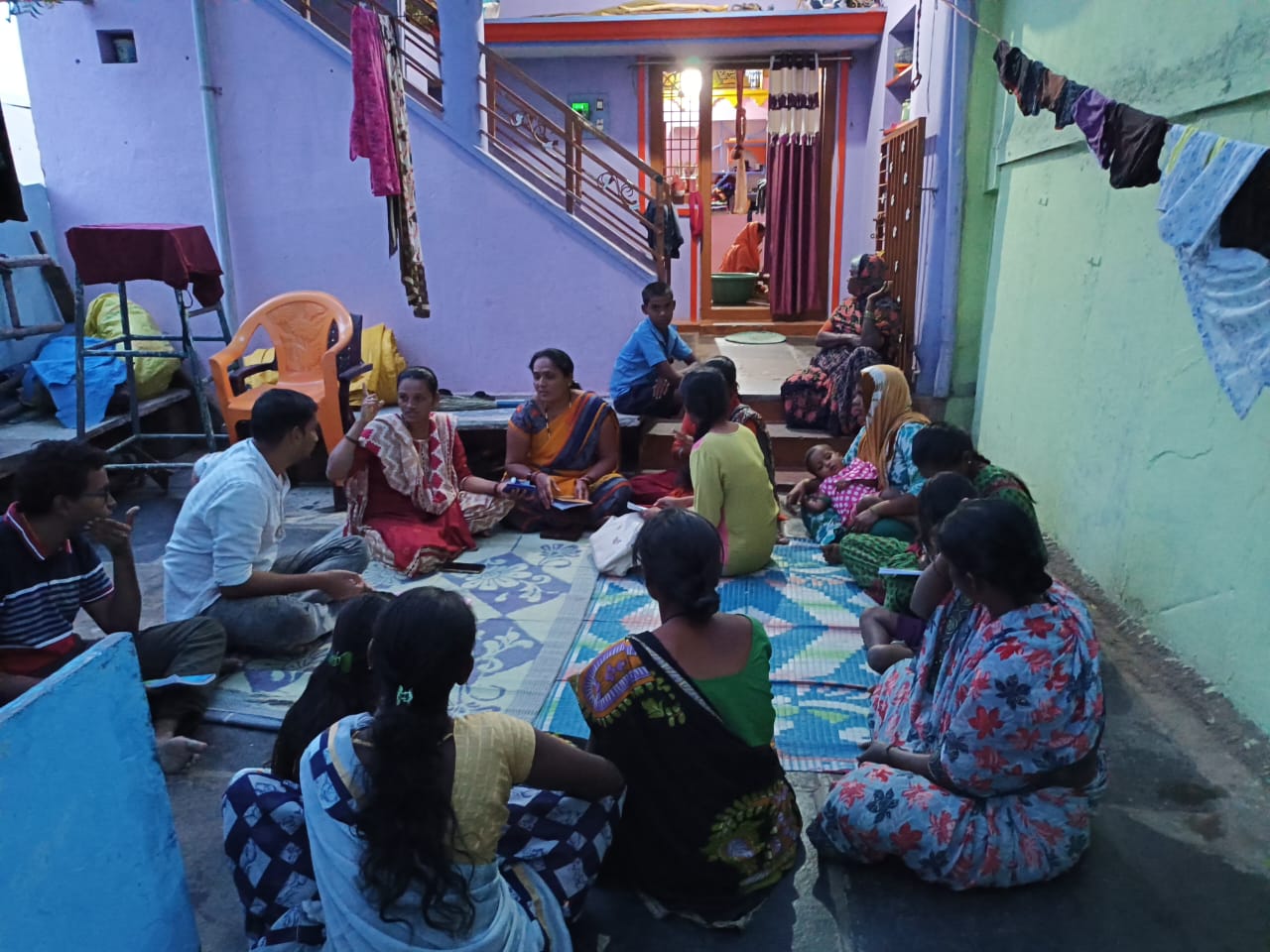
After we were assigned to our respective locations, I was accompanied by two other fellows. My co-fellow, ( @valli8c255e80ad )Valli, was given a menstrual hygiene project. Initially, I assisted and supported her in group discussions and school sessions. That was when I realized that it wasn’t a lack of knowledge that had kept me from talking about this topic it was hesitation. After recognizing my gaps in understanding, I decided to learn more about the subject. Menstrual hygiene is an essential topic that everyone should be aware of, regardless of gender. It is important for men to understand this properly so that we can support and care for our mothers, sisters, daughters, and loved ones.
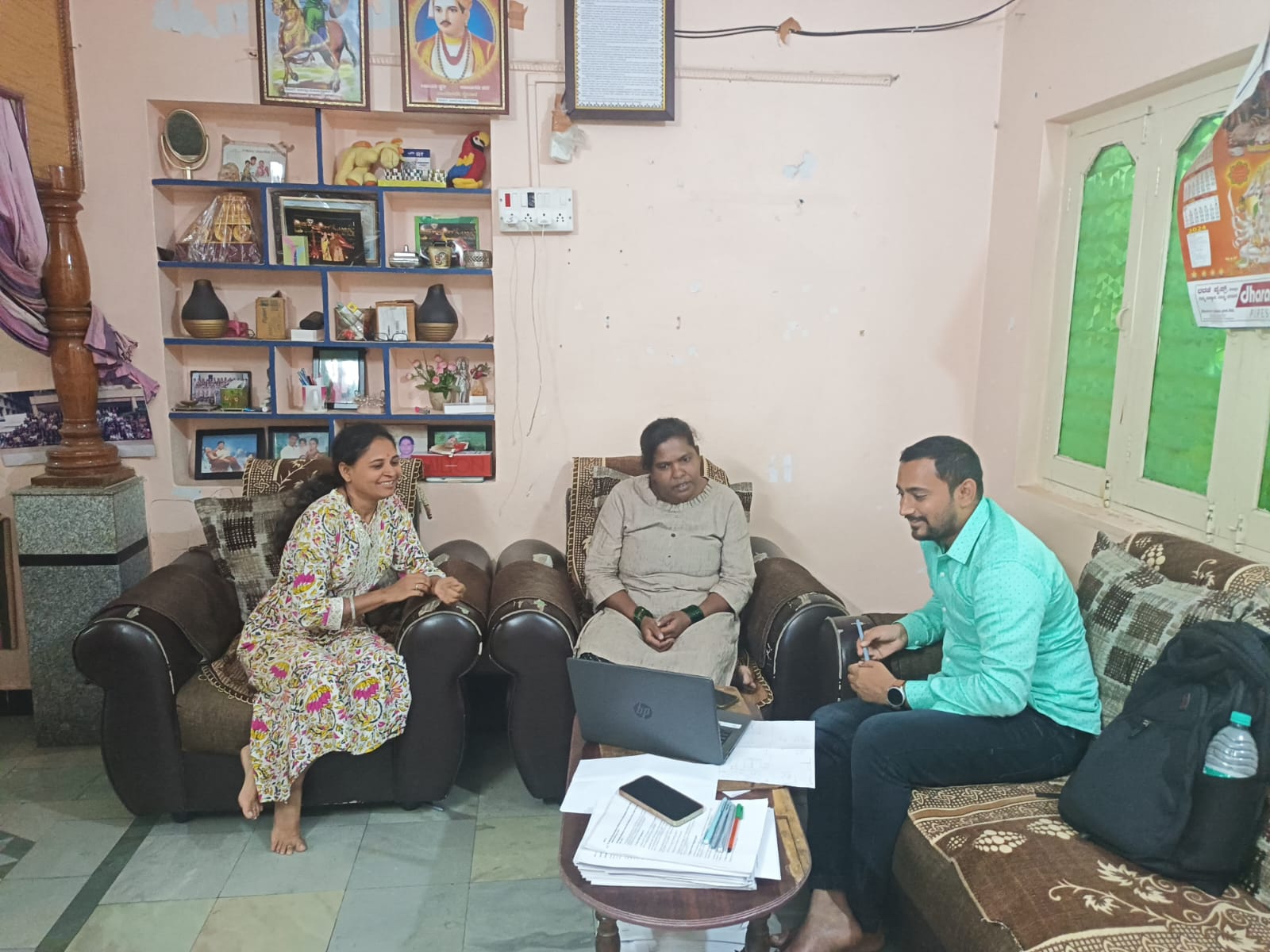
I had the opportunity to meet the Pad Woman of Karnataka, Mrs. Bharati. She shared many stories and valuable insights about menstrual hygiene. We discovered that we had two things in common: using theatre as a medium and a shared commitment to supporting society. This discussion helped me gain a deeper understanding of her work.
Mrs. Bharati then introduced me to her friend, Mrs. Sheela, who is a theatre director and actor. Since then, we have exchanged many ideas, enriching our conversation and perspectives.. I consider myself lucky that both of them approached me for support with presentations and documentation work. This experience helped me gain a deeper understanding of periods.
There is a noticeable gap between what we say about this issue and what we actually see on the ground. Addressing this disconnect is crucial for meaningful change. Men should not hesitate to discuss or talk about this. I am happy that people do include me in designing their awareness drives regarding menstrual hygiene.
This journey has been more than just acquiring knowledge—it has been about breaking barriers, unlearning misconceptions, and embracing the responsibility of fostering open conversations. My discussions with Mrs. Bharati and Mrs. Sheela reinforced the importance of using art, dialogue, and collaboration to create lasting impact. Menstrual hygiene is not just a women’s issue; it is a collective concern that affects families, communities, and societal progress. By engaging in these conversations, we move closer to a world where menstruation is understood with dignity, respect, and inclusivity. I am grateful to be part of this movement, and I hope to continue amplifying voices and supporting awareness initiatives that make a real difference. Change begins with awareness, but it thrives when conversations turn into collective action.
 iVolunteer Blog - everything about volunteering