One of the most common questions I’m asked is, “What exactly do you do?”
When I respond that I work on menstrual health and hygiene, the reactions are often predictable—raised eyebrows, forced smiles, and occasionally an awkward pause followed by, “Oh… that topic.”
Some even dismiss it outright:
- “Is there anything new to teach about that?”
- “Everyone goes through it—what more is there to know?”
- “Isn’t it just a waste of time and resources?”

These are not just questions—they are reflections of the stigma, discomfort, and ignorance that still surround menstruation. This was the landscape I entered when I began working in communities, especially in schools.
Rather than starting with lectures or materials, I began by listening. I visited schools and asked girls what they already knew about menstruation, what they felt, and most importantly—how often they talked about it.
The silence was telling.
In some sessions, girls broke down in tears at the very mention of the topic. It was clear that no one had ever created a safe space for them to express their feelings, questions, or confusion about something that is an essential and natural part of their lives.
Building Safe Spaces
I realized then that before I could teach anything, I needed to heal something. I needed to break open the heavy silence that had been imposed on these young girls—by society, by families, by shame.
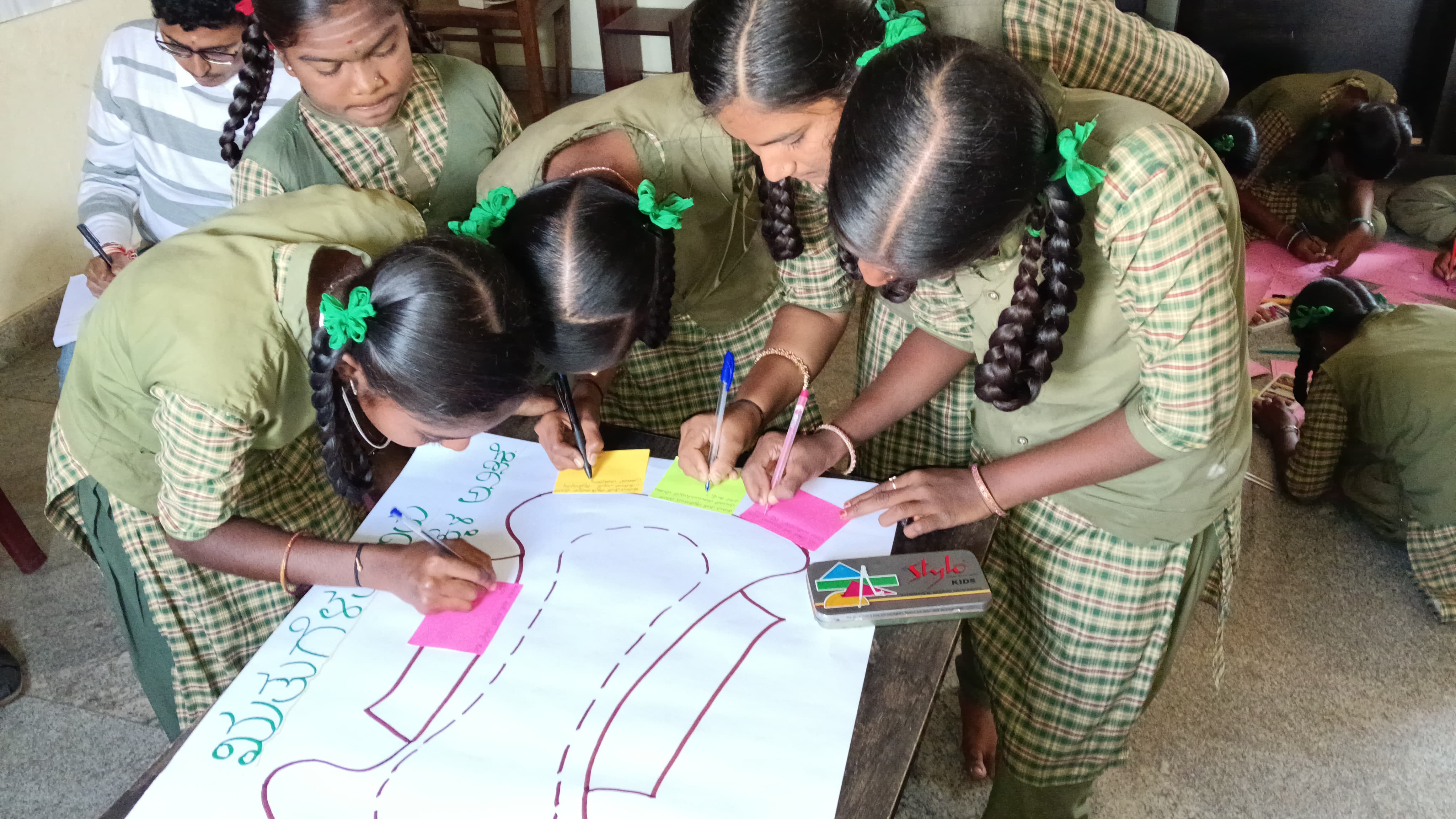
So I built the sessions around empathy and engagement—playful explanations, interactive activities, and creative tools like storytelling and art. Slowly, the transformation began. The same girls who once hesitated to speak began raising their hands, laughing, sharing, and asking questions. They became not just students—but active participants in reclaiming their knowledge and dignity.
Over time, I conducted menstrual health and hygiene sessions across 10 schools, customizing each to the unique needs and existing awareness of the girls. I worked to understand not only what they knew but also how they felt—and that’s what shaped the content and tone of the sessions.
It was never just about biology or products. It was about shifting mindsets, addressing stigma, and giving girls the freedom to say: “Yes, this happens to me—and it’s okay to talk about it.”
The same community that once questioned my work now sees the impact. Girls are more informed, more confident, and more open to conversations about their bodies. Teachers and parents have noticed the difference.
Yes, menstrual health may still earn that awkward “oohhh” from some people. But I’ve seen firsthand that when the silence is broken, a wave of understanding, empathy, and empowerment follows.
When I began working on menstrual health and hygiene, the road wasn’t smooth. I faced skepticism, silence, and even dismissal. Many questioned what value there was in “just talking about periods.” But I knew that behind the silence were stories that needed to be heard—and voices waiting to be empowered.
That’s why I designed each of my sessions with three guiding principles: mobilize the community, ensure full participation, and instill pride.
Menstrual health isn’t just a “girls’ issue.” It’s a community issue. Every session I conduct begins by reaching out—not only to the students but also to their teachers and mothers. The idea is to create a shared sense of responsibility around the topic. This approach breaks down barriers and allows open conversations to happen more naturally in homes and schools.
In every school I’ve worked with, one thing remains non-negotiable: every single student participates. No sitting quietly in the back. No opting out because of discomfort. Every child, regardless of how shy or uncertain they may feel at first, is given space and encouragement to speak, question, draw, or engage in some way.
This inclusivity has consistently had a positive response. Students feel seen, heard, and—most importantly—respected. Many girls who were initially hesitant have later emerged as the most vocal participants, sharing their thoughts and even helping others open up.
Taking the Pledge: Becoming Responsible Menstruators
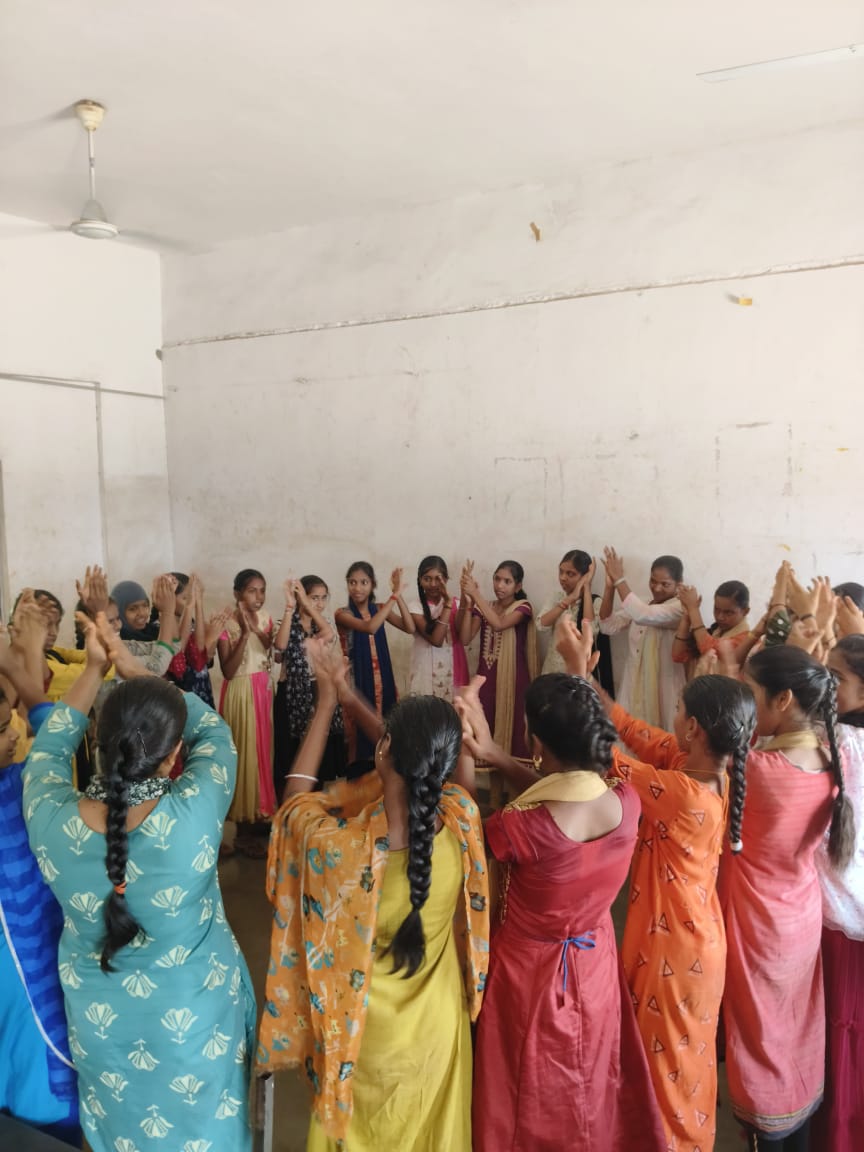
Each session ends with a powerful moment: a collective pledge. Together, the students commit to becoming responsible menstruators—to care for their own health, to break the silence, and to share the information they’ve learned with others. It becomes more than just a session—it becomes a movement.
We don’t just talk about hygiene and products. We talk about pride—about how menstruation is a completely normal, healthy process. I teach every student that there is no shame in bleeding, and there is strength in understanding their bodies.
What began as a topic dismissed by many has now become a source of empowerment for the students I work with. The ripple effect is real. Girls are speaking up. Boys are listening. Teachers are supporting. Communities are slowly but surely changing their perceptions.

And that’s the work I do.
I don’t just teach menstruation.
I help young people reclaim their voices, their dignity, and their pride—one session at a time.
 iVolunteer Blog - everything about volunteering