

The first time I stood before a group of young girls in the community, there was an eerie silence. Eyes lowered, feet shuffled, and a strange discomfort filled the room. I had seen this reaction before. It happened every time I uttered the word ‘menstruation.’
As part of my fellowship, I had set out on a journey to understand the struggles faced by girls and women regarding menstrual health and hygiene. My work began with listening. I visited homes, sat with mothers and daughters, and asked simple yet crucial questions:
- What kind of conversations do you have about menstruation?
- How open are you with your parents on this topic?
- Who do you turn to for guidance and support?
- Are your questions about menstruation answered?
- How are you treated during your periods?
Their responses were revealing. Most girls did not have a safe space to talk about their periods. Many were unsure of what was happening to their bodies when they first experienced menstruation. Some felt shame; others felt fear. I knew then that we needed to create a space where they could speak freely, ask questions, and share experiences without judgment.
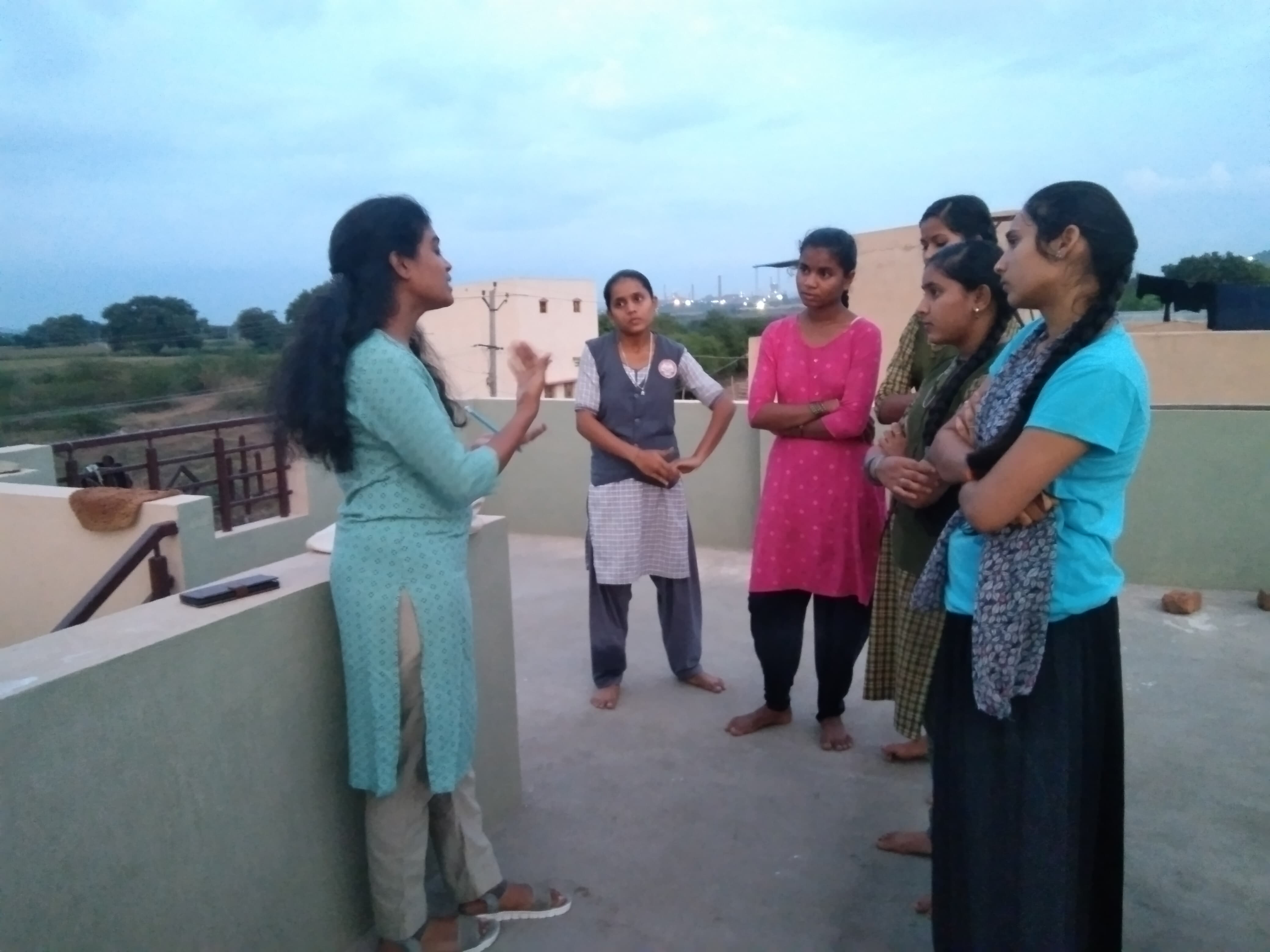
With the help of Sanjeevani Hospital, an arm of the foundation, we established a circle of conversation—a place where girls could talk about their periods openly. The idea was simple: menstruation should not be a secret. It should not be something to whisper about or be ashamed of.
During our sessions in schools and the community, we covered essential topics:
- Understanding the menstrual cycle
- Debunking myths and breaking taboos
- Encouraging hygienic menstrual practices
Each time I addressed a gathering, I saw the same initial reaction—hesitation, discomfort, even nervous laughter. But as we spoke more, the tension eased. Girls began sharing their experiences, their fears, and their struggles. The walls of silence were beginning to crack.
The Power of Language
Language shapes perception. In most homes, periods were referred to as “Muttu agithe” (a phrase indicating the start of menstruation). The formal term, “Ruthu Chakra” (menstrual cycle), was rarely used. Instead, the phrase “Kelsa agalla” (can’t do work) dominated conversations, reinforcing the idea that menstruating girls were temporarily incapable of performing daily tasks.
For some, this meant a time of rest, but for others, it meant restrictions—no entering the kitchen, no touching pickles, no participation in rituals. This silent conditioning made menstruation seem like a burden rather than a natural bodily process.
Hygiene Practices: A Struggle Between Tradition and Practicality
Most girls in the community used cloth instead of sanitary pads. Their mothers had done the same, and so the practice continued. But the challenges were plenty:
- Some girls found cloth comfortable, while others struggled with hygiene.
- Many were not allowed to wash and dry cloth in direct sunlight, leading to bacterial growth.
- Shockingly, some girls continued using the same cloth for six months to a year due to lack of awareness or access to alternatives.

During our community meetings, we emphasized the importance of proper menstrual hygiene, advocating for:
- Washing cloth in hot water
- Drying it in direct sunlight to kill bacteria
- Changing cloth regularly to prevent infections
For some, this knowledge was new. For others, it was a challenge to implement, bound by societal restrictions. But small changes were beginning to take root.
Men and the Silence Around Menstruation
Perhaps the most telling sign of stigma was the way men reacted. When introducing my work to the community, my co-fellows often described it as “working on women’s health” (Mahilala Arogya) instead of saying menstrual health. The men I met never uttered the word ‘period.’ It was an unspoken rule—one they did not dare to break.
I knew then that real change required men to be part of the conversation. Fathers, brothers, and husbands needed to acknowledge menstruation, not as a women’s issue, but as a natural biological process that affects families, communities, and societies at large.
Menstrual health is more than just a discussion about hygiene. It is about dignity, empowerment, and breaking generations of silence. The journey is ongoing, but with each conversation, each session, and each shared story, we are moving closer to a world where menstruation is understood, accepted, and discussed without fear or embarrassment.
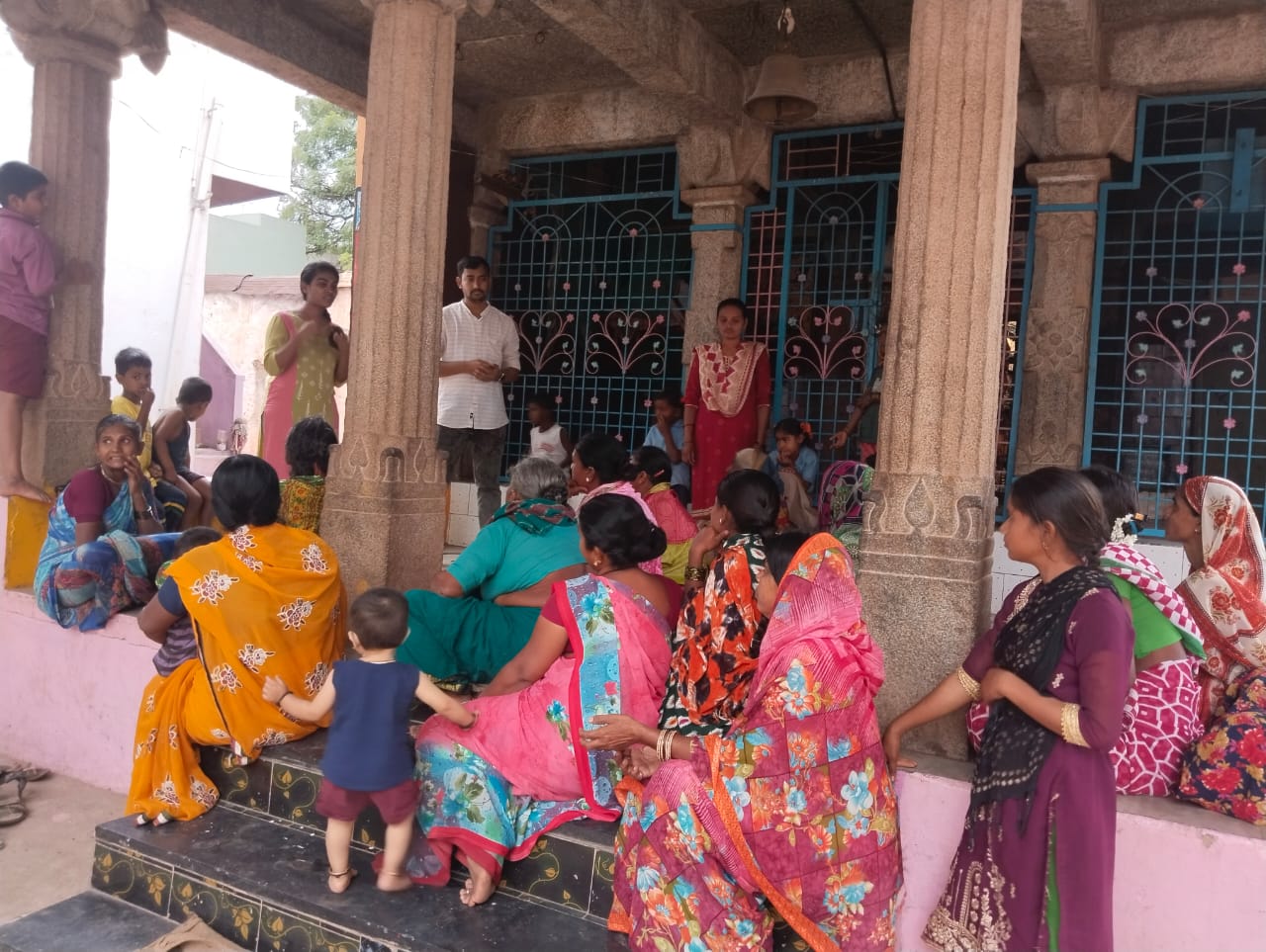
As I reflect on my time with the community, I remember the first session—the nervous laughter, the hesitant glances, the silence. But I also remember the later sessions—the raised hands, the questions, the determination to change. That is the power of breaking the silence.
Let’s continue breaking the silence. One conversation at a time.
 iVolunteer Blog - everything about volunteering