In the baseline survey, more than 50% of students from grades 7th, 8th, and 9th said that the only way they know to learn is through Abhyas – practice reading and writing. It wasn’t an unexpected statistic, given the government residential school they are part of. The Indian education system is mainly focused on the process and no accountability of outcomes. The process is again judged by the teacher themself who takes care of implementation. Learning is often about reading, writing, and marks.
In this systemic failure students are left to fail. These students haven’t had the chance to watch movies like Taare Zameen Par or Three Idiots. Nor have they developed a taste for burgers, pizzas, or hot dogs – these foods feel alien to them. I had a hard time relating self-development concepts and reciting stories until I began learning about their own culture and cuisine. I learned about vada pav, puranpoli, and bhakarwadi, and also about tales of Shivaji, Phule, and Savitribai. Warli paintings, I came to know, are famous among the tribal communities of Maharashtra.
I understand that every culture offers different perspectives along with systems for its sustenance. But I also believe that not all systems offer the same level of freedom and opportunity for growth. It’s always better to get a taste of different experiences before deciding what suits you best. I wanted these kids to experience new ways of learning and living.
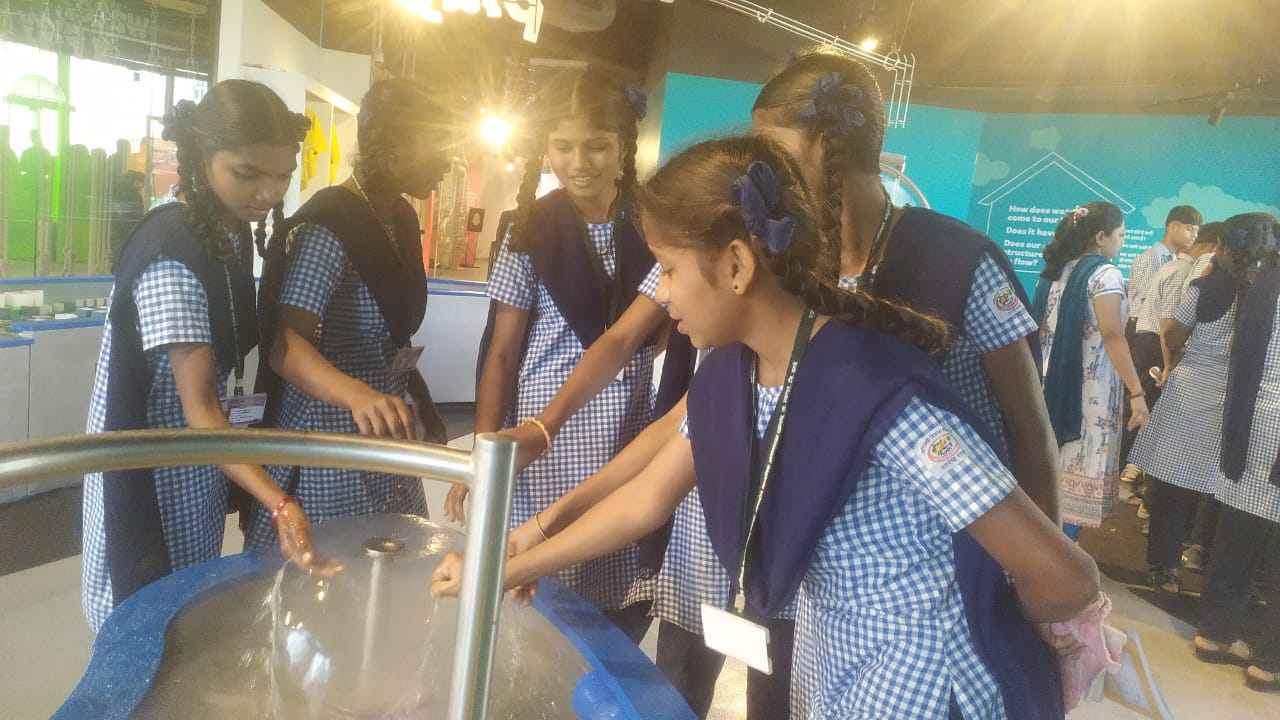
In the hunt to find a place for an exposure visit to these kids in Mumbai, I got to know about the Museum of Solutions (MuSo). MuSo is designed on the solution finding approach mainly reserved for the elite class. An exposure visit felt viable after the JSW CSR foundation agreed to fund a tour of India’s financial capital – Mumbai. It felt an apt way to introduce them to different experiential learning modules.
Sharing students feedback on the same :-
1. A girl named Naina said, “I was astonished to see the tall buildings, glass doors, and the lift.” It was the first time she had used an elevator.
2. A boy named Yogesh enjoyed watching a film about a turtle, themed around waste management. He said he learned a lesson for life – to segregate waste and put it in a dustbin rather than dumping it in the ocean.
3. Rohit ended up demonstrating his farming skills and showcased tools that are often considered outdated in cities.
4.Seema was mesmerized to see microorganisms under a microscope.
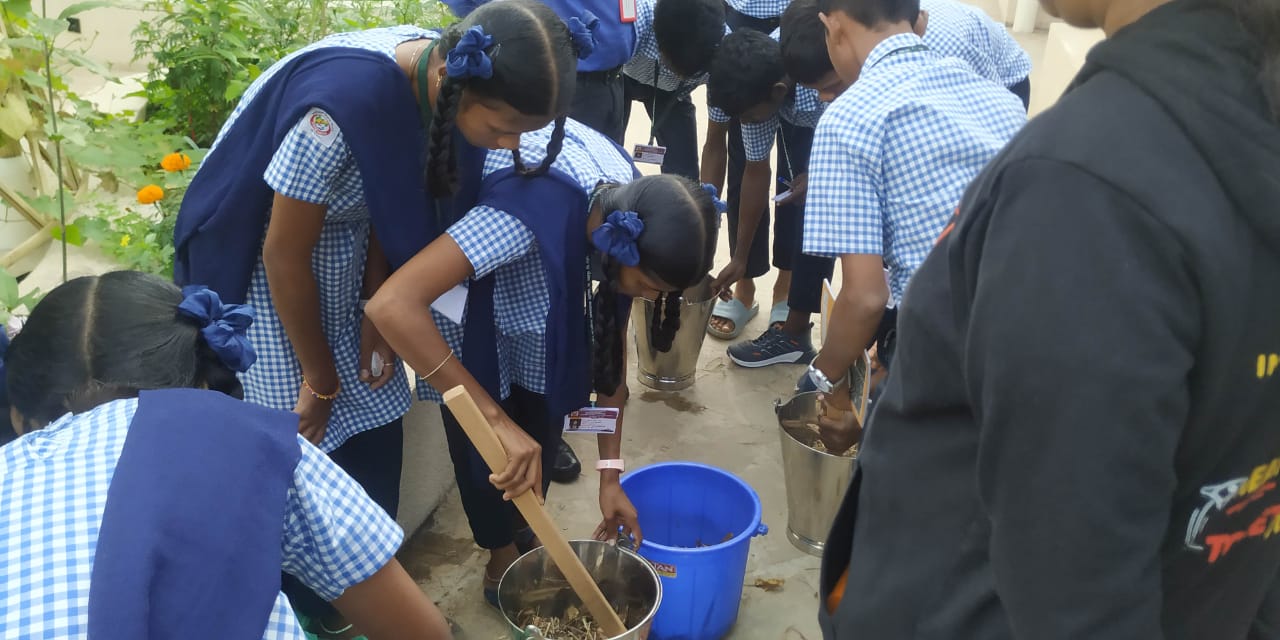
And the surprises didn’t end there – even the experts at the museum were amazed to see these rural village school students making manure out of waste.
Personally, it was lovely to see the students engaging with the exhibits and learning while having fun. They enjoyed exploring 3D printing, carpentry, and understanding water systems through interactive modules. I could sense of belonging of kids in the environment as they were immersed in a world of endless learning possibilities.
Tanuja shared that the experience was a barrier-breaker. She hadn’t believed she could learn so much simply by speaking to people, traveling to the city of dreams, singing in the bus, and sharing with her peers. She even expressed a strong desire to have more such exposure visits for her classmates and teachers.
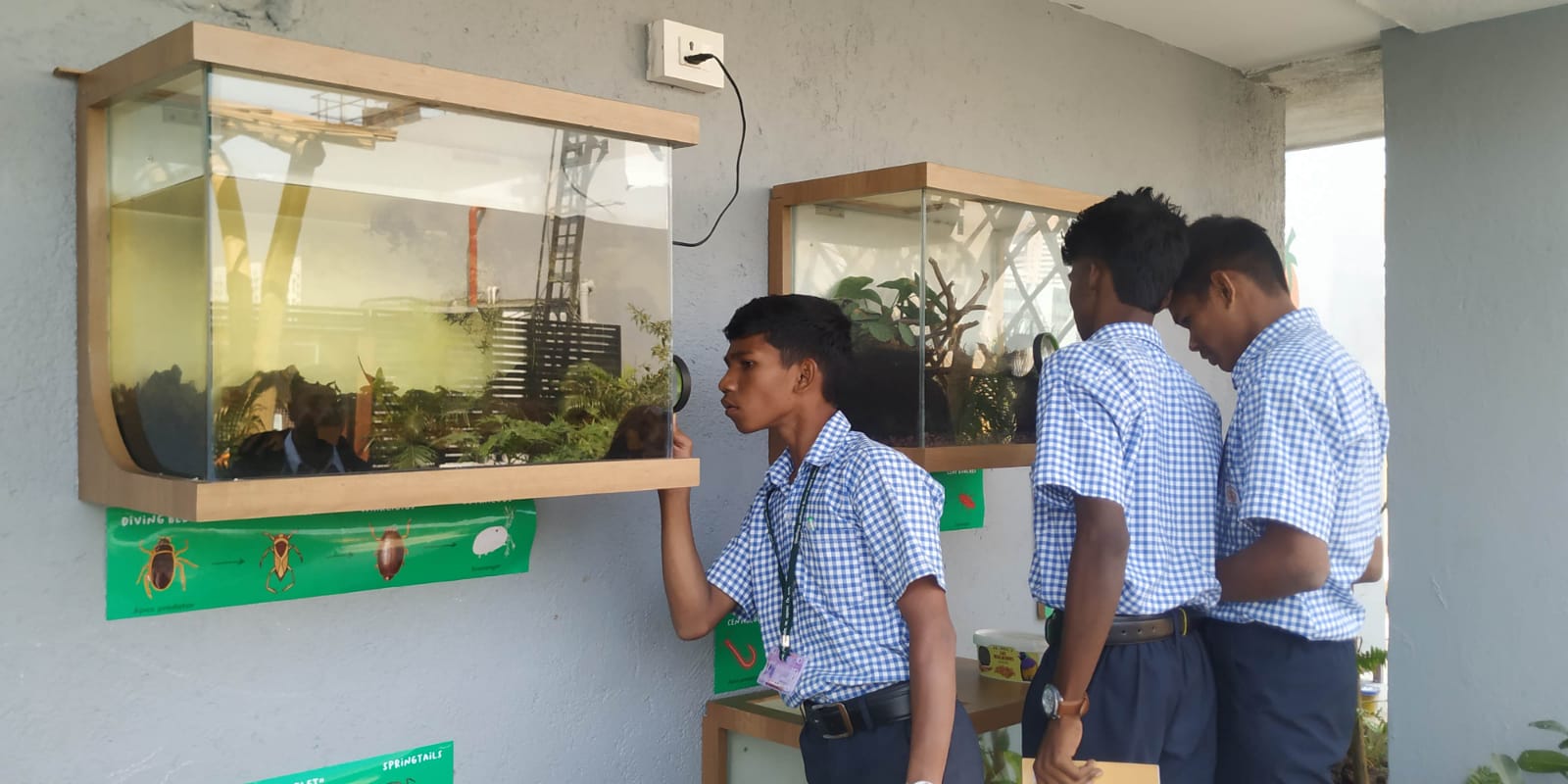
Experiences like these reaffirm the idea that we don’t learn best by only reading or listening, but by doing, discussing, and teaching others. The more active the learning method, the deeper and longer-lasting the understanding becomes.
 iVolunteer Blog - everything about volunteering