


History has fascinated me since childhood. While preparing for the civil service exam, I immersed myself in endless pages of history and geography. But among all the civilizations I studied, none captivated me like the Indus Valley Civilization—Harappa & Mohenjo-Daro. Their well-planned cities, the Great Bath, massive granaries—I read about them repeatedly, trying to imagine the lives of the people who once walked those streets. What did they wear? How did they spend their days? What stories would they tell if they could speak across time?
Yet, I never imagined that one day, I would stand where they once lived. Dholavira had been a name in my books, a city I had built in my mind. And now, I was finally there.

As I stepped into Dholavira, it was as if time blurred. The towering stone structures, the deep wells, the meticulously designed reservoirs—it was all real, standing before me in silent grandeur. I had visualized this city countless times, but nothing could match the feeling of being there, surrounded by the echoes of an ancient world. For a fleeting moment, I could almost hear the footsteps of the people who once called this place home, their voices carried by the wind.
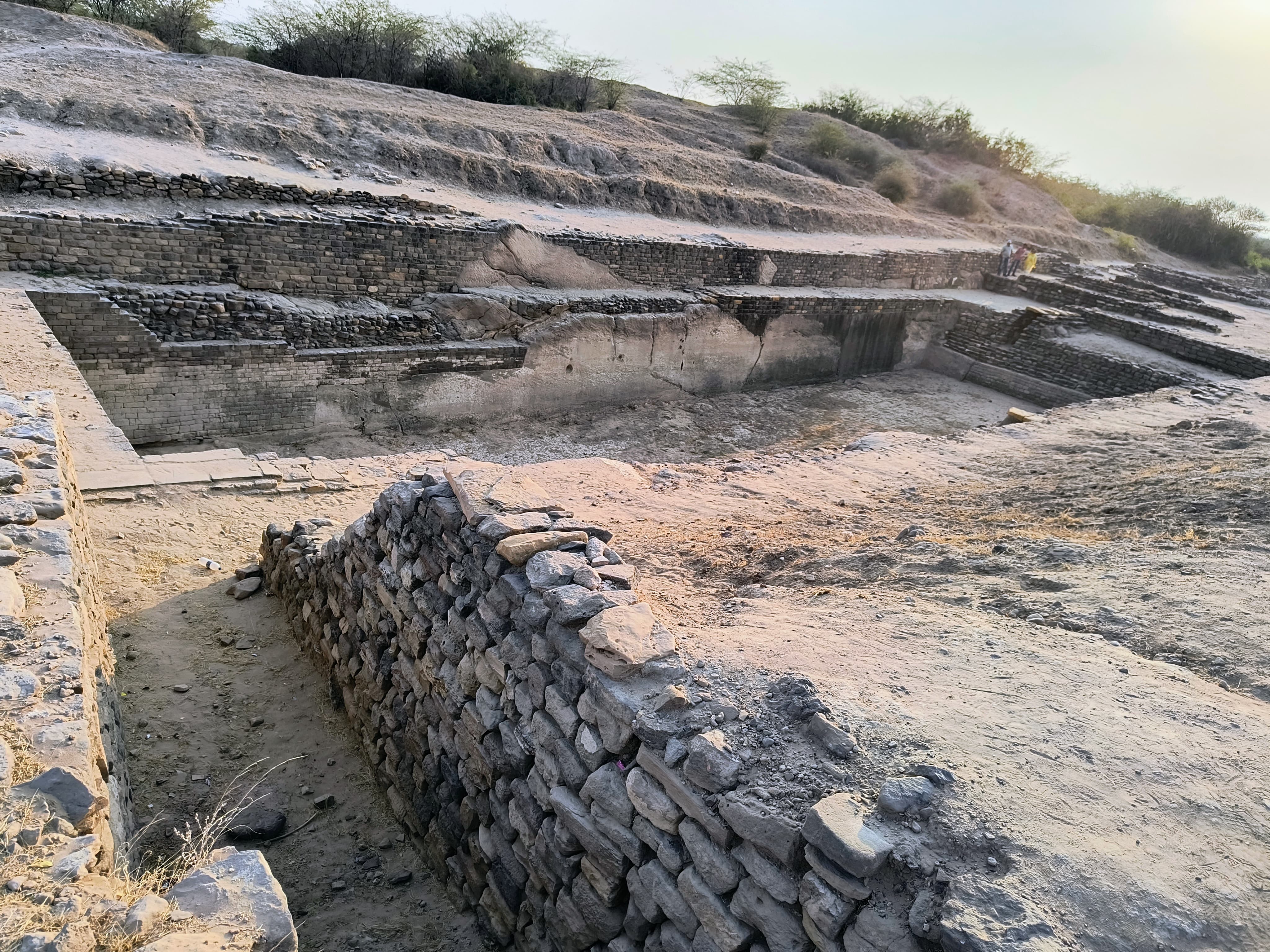
Though centuries have passed, the remnants of their civilization still endure. The stones, the walls, the streets—they remain as silent witnesses to a lost era. As I traced my fingers over the weathered ruins, a thought struck me: someone lived here once. These streets once bustled with life, dreams, laughter, and sorrow.
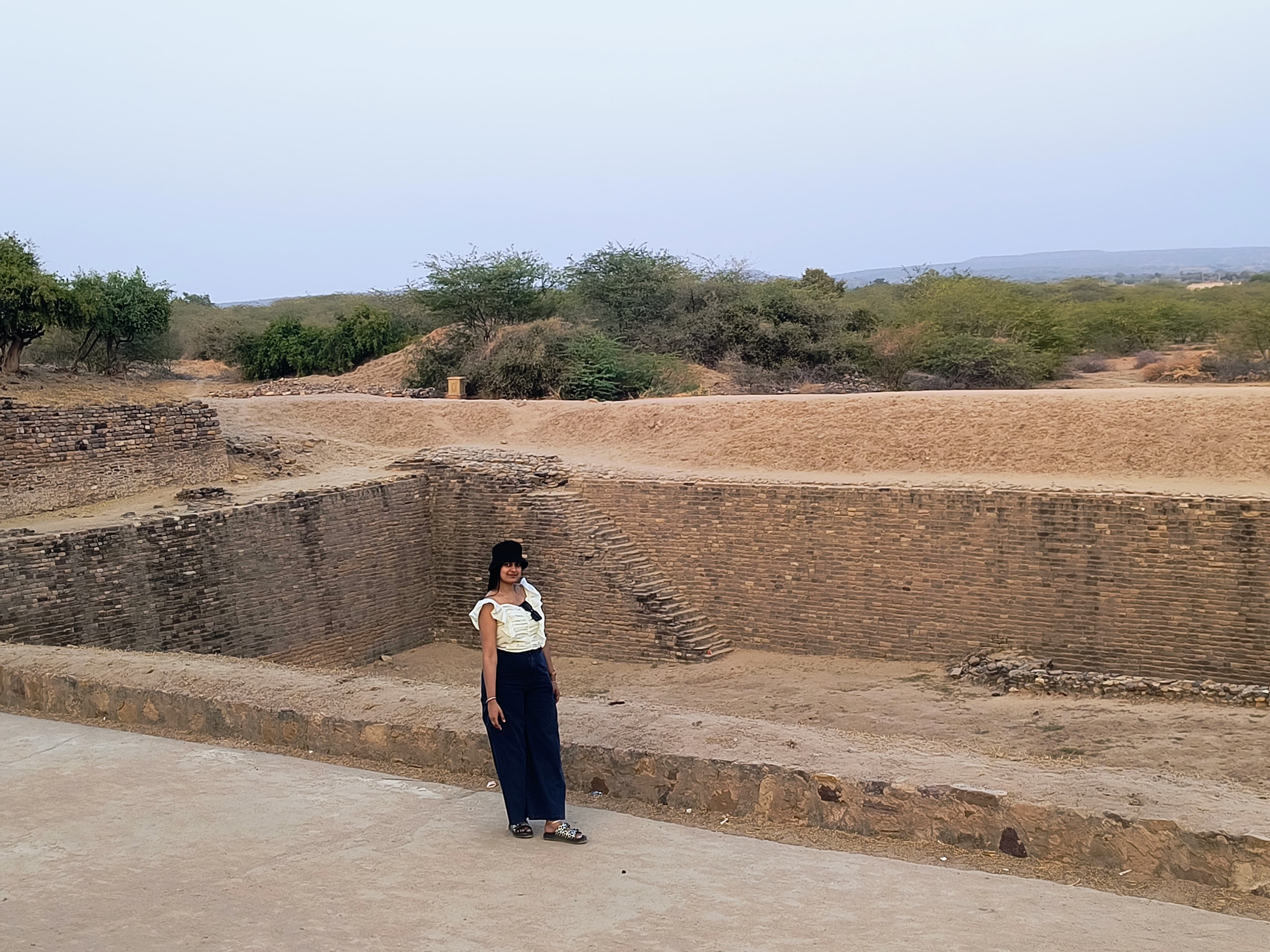
In that moment, history was no longer just something I had read—it was alive, tangible, unfolding before me. The people of Dholavira may be long gone, but their presence lingers in every stone, in the air that whispers their untold stories. Civilizations may rise and fall, time may move on, but history never truly disappears. It waits, ready to speak to those who choose to listen.

 iVolunteer Blog - everything about volunteering