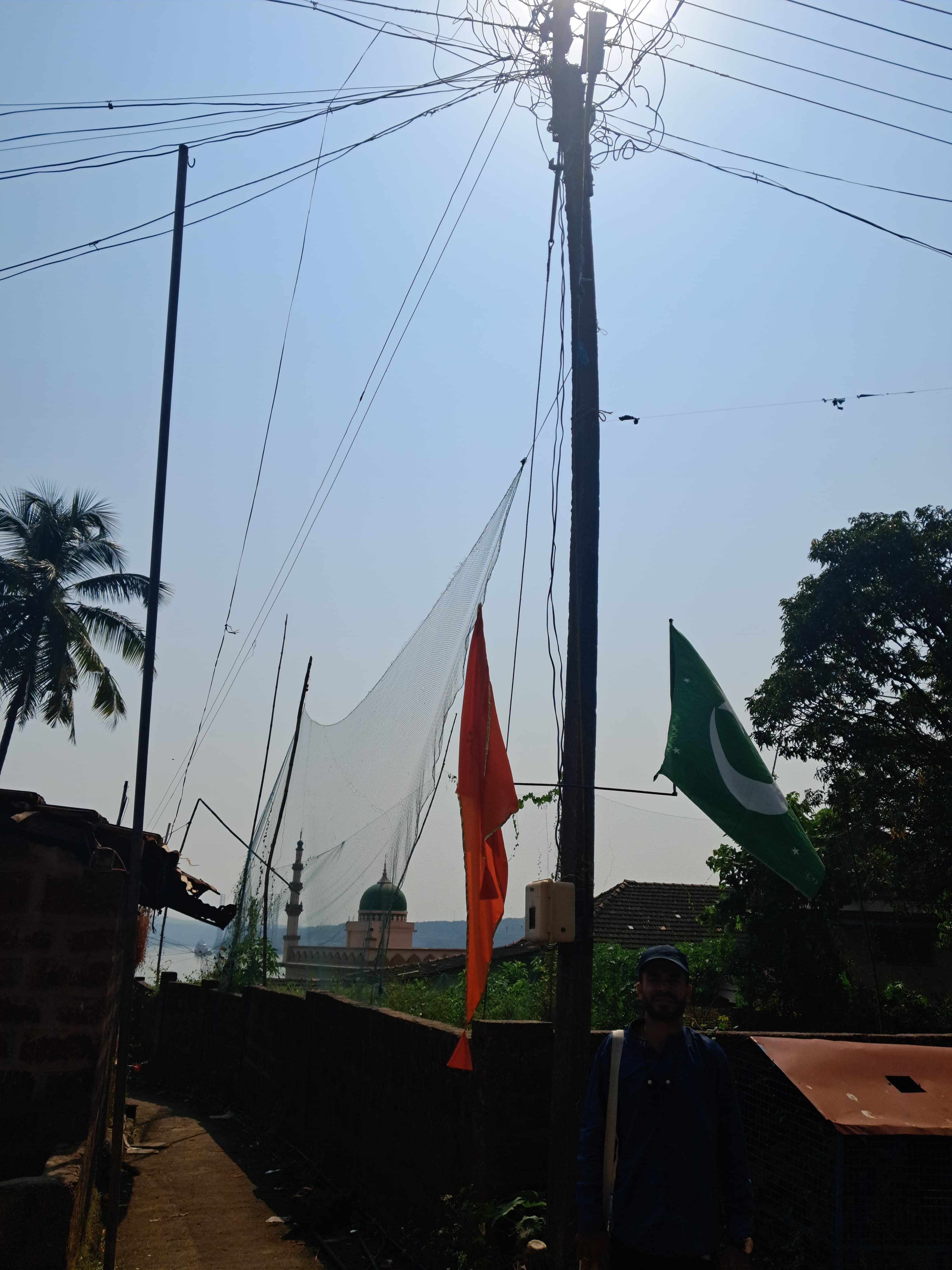
While returning from the field today, I stopped midway in Khandala village, where the weekly Friday market takes place. I was walking through the vegetable lane when I heard a little girl calling her elder sister “Abba,” which means father. This caught my attention because, in most Muslim families, elder sisters are usually called Appi or Appa, while Abba or Abbu is used for fathers.
As I moved forward, I saw the face of the girl and tried to recall her name. Just then, she spotted me and exclaimed in Marathi, “Arey Madam, Tumi itte?”(Ma’am, you are here?). I smiled and replied, “Ho, bhaji pala kharedi karayala alo hoto” (I came to buy vegetables). She looked shocked to hear me speak Marathi. When I first arrived in Jaigad, Ratnagiri, I barely understood the language. This little girl was from Akbar Mohalla in Jaigad and studied at an Urdu medium school in the village. Excitedly, she introduced me to her mother and elder sister, telling them how I had once visited her school. She also told them that back then, I didn’t understand Marathi, but now I was responding to her in it.
As we started walking together, I spoke with her elder sister. She told me that she had completed nursing and was currently working as a nurse at a private hospital in Ratnagiri. I couldn’t stop myself from asking why her younger sister was calling her Abba. She paused for a moment. Sensing her hesitation, I quickly said, It’s okay if you don’t want to share. But after a moment, she replied, “Our father left us when my younger sister was just a year old. She barely remembers him. When she started speaking and recognizing people properly, she just started calling me Abba.” She smiled and added, “And now, according to her, I have truly taken Abba’s place in the house.” I could feel the weight of those words. She is the sole breadwinner of her family now, carrying responsibilities far beyond her years.
Before leaving, they warmly invited me to visit their home for lunch someday, and then we said our goodbyes.
As I walked away, two thoughts stayed with me.
First, the immense responsibility that elder siblings carry. They are expected to stand strong for their families, fulfill every need, and provide a sense of security. This girl did not call her sister Ammi (Mother), she called her Abba because her sister took on the role of a father ensuring she never felt his absence. Elder siblings are incredibly brave, but they also bear a heavy burden, sometimes without even realizing it. Their sacrifices often go unnoticed, yet they continue to fulfill their roles as if it’s the most natural thing in the world.
Second, how children, even at a young age, absorb the idea that the provider of a family is typically a male. That little girl could have called her elder sister Appi or Didi, but she chose Abba because, in her innocent understanding, the person who earns for the family must be a father figure. It made me think about how deeply ingrained gender roles are in our society, even in the minds of young children.
As a younger sibling myself, I want to send a big, warm hug to all the elder siblings out there for always having our backs, no matter what.
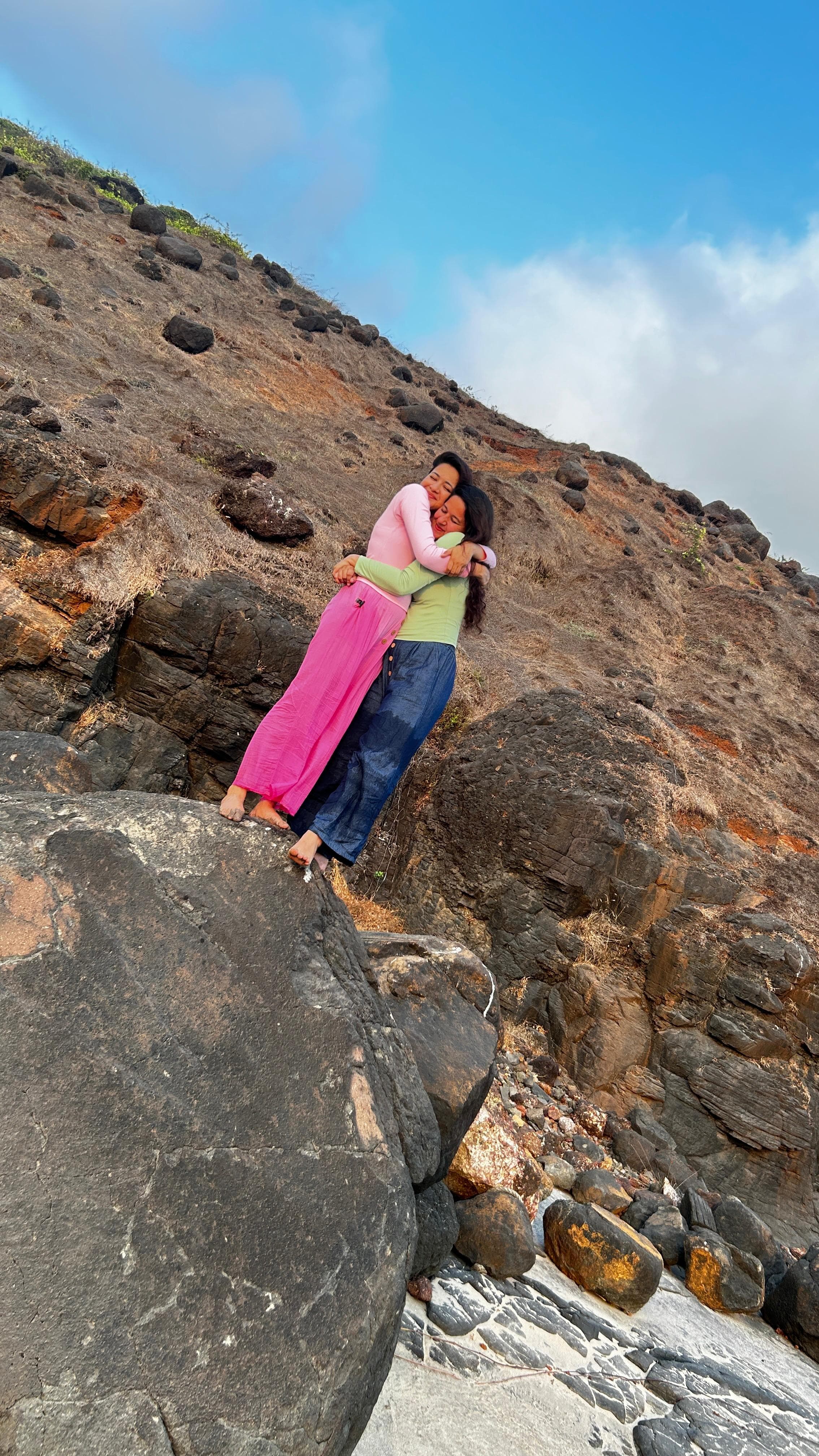
And a special thanks to Ms. Taiyabba Sayeed (My Elder Sister) for providing me with the best of everything since 2001(The year I was born). Your younger sister is so proud of you.
NOTE: I did not ask the family for permission to share their names, so I have kept their identities anonymous in this blog.
 iVolunteer Blog - everything about volunteering
2 replies on “Elder Siblings: The First Line of Defense”
What a beautiful story! Being an elder sister myself, I could relate a lot. Beautifully written piece Arfana! 🙂
LikeLiked by 1 person
Thank you Anusha!
Sending a tight hug your way🫂
LikeLiked by 1 person