The Beginning of an Uncertain Journey
As I embarked on this two-year fellowship journey, uncertainty loomed large. I struggled to determine the right approach for fieldwork—what exactly needed to be done, how I would engage with the community, and most importantly, how I would navigate the language barriers. While I knew Kannada, the dialect spoken by the community was different, making communication a challenge.
Adding to my concerns was the fact that I was not an expert in menstrual health and hygiene. I needed guidance and inspiration from those who had done remarkable work in this field. Through research and connections, I learned about various organizations and best practices, but I was still searching for a truly innovative and impactful idea—something that could create lasting change.
Finding Inspiration in Ms. Bharathi Gudlanur
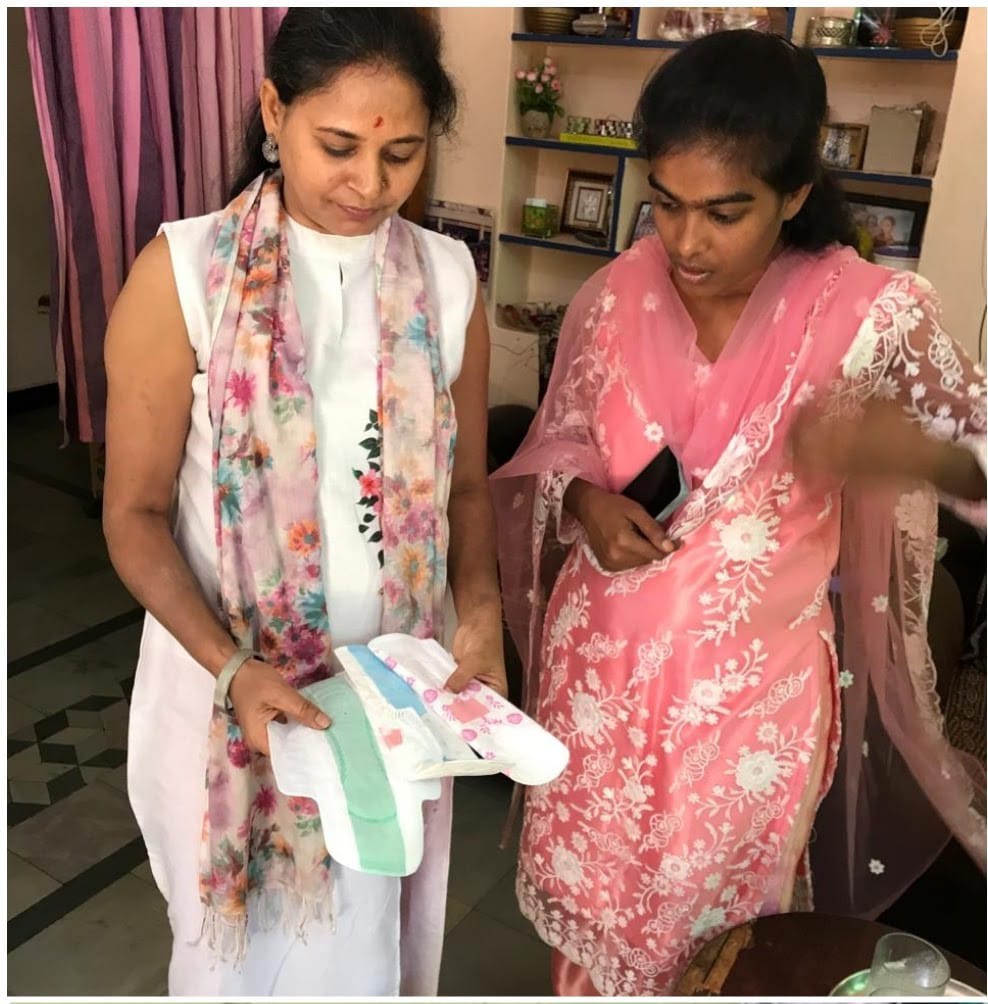
That’s when I came across Ms. Bharathi Gudlanur, an entrepreneur and dedicated social worker committed to menstrual health and hygiene. She runs a manufacturing unit that produces biodegradable sanitary napkins made from plant pulp. Inspired by the Bollywood movie Pad Man, she was determined to provide women with safe, eco-friendly menstrual products.
However, despite her efforts, she faced a major hurdle—convincing consumers that her product was safe and effective. To bridge this gap, she took a unique approach: she used street plays in the villages of Koppal to raise awareness about menstruation and the importance of menstrual hygiene. This creative strategy captured the attention of the local community, CSR teams, and NGOs, leading to significant support from various corporate social responsibility (CSR) initiatives. With their backing, she expanded her outreach, reaching even the most remote parts of Karnataka to break menstrual taboos and dispel harmful myths.
Challenging Menstrual Myths
Her work also delved into the scientific reasoning behind traditional beliefs. For instance, she addressed the common restriction that prohibits menstruating women from touching the tulasi plant. She explained that tulasi is highly sensitive to heat, and since many women experience increased body heat during their periods, touching the plant could cause it to wither. By offering logical explanations, she effectively debunked many menstrual myths.
Impacting the Community
Her efforts received overwhelming support from both the community and school students. However, during the COVID-19 pandemic, CSR funding was redirected, forcing her to halt the distribution of sanitary napkins. In response, many women from interior villages approached her for help, and she provided them with napkins at subsidized rates. Recognizing the growing need, young girls wrote letters to the district administration of Koppal requesting free sanitary napkins. Their voices were heard, and the government promptly responded, allowing her to resume distribution at state expense.
Beyond product distribution, Ms. Bharathi also documented case studies to understand menstrual stigma in rural Karnataka and used her awareness sessions to challenge these deep-rooted beliefs.
A Turning Point in My Fellowship Journey
Meeting her and learning about her journey was truly inspiring. I was captivated by her innovative approach and dedication, and I asked if I could accompany her to some of her sessions to gain hands-on experience. Attending her workshops enriched my understanding, and soon, I began conducting my own sessions.
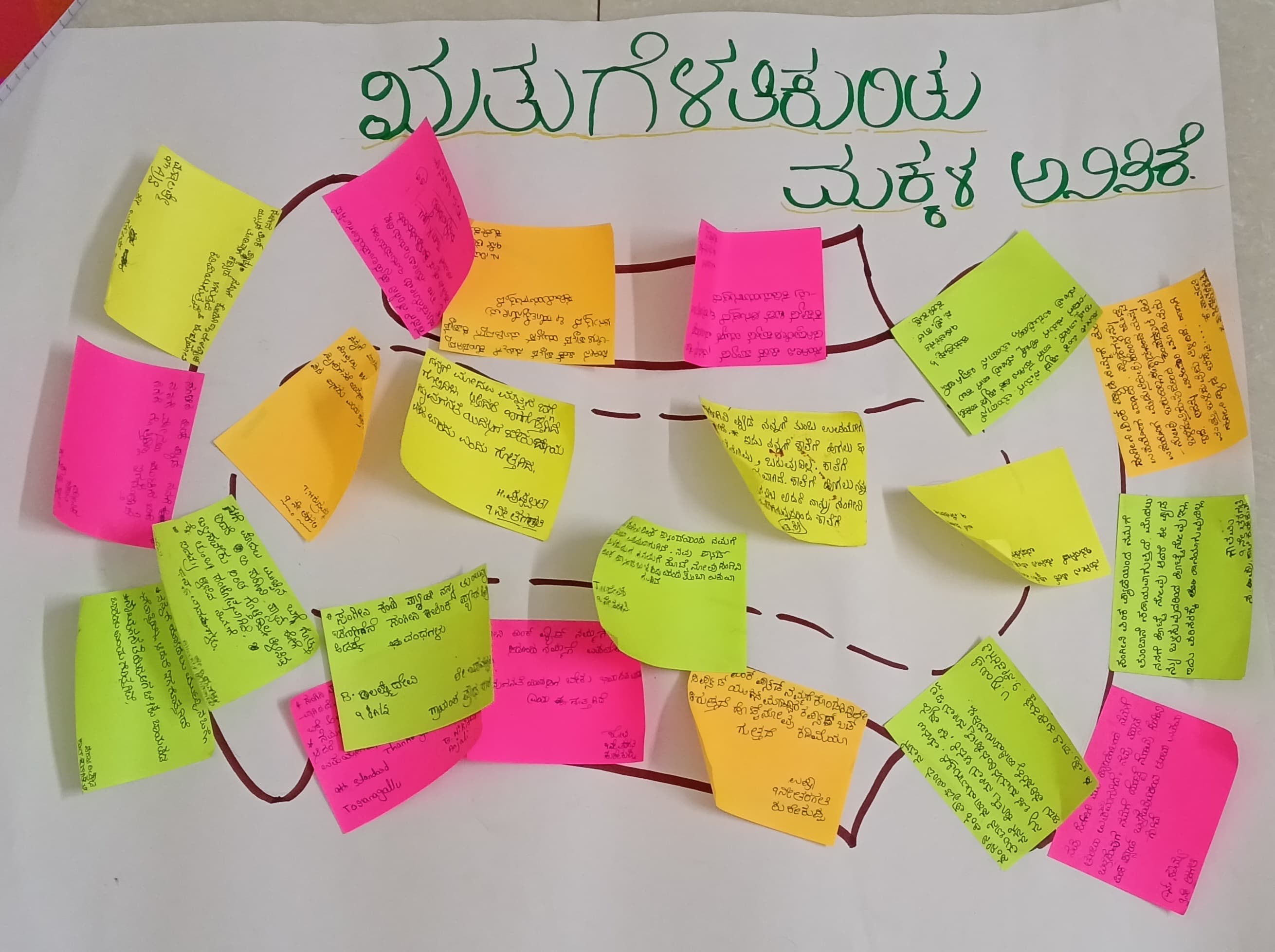
To my delight, the girls loved the interactive methods I introduced—games, videos, and engaging discussions that encouraged their active participation. This experience marked the true beginning of my fellowship journey. Over time, I expanded my work to 10 schools, successfully conducting awareness sessions and breaking barriers around menstrual health.

Breaking the Silence
Today, the same girls who once hesitated to discuss menstruation now speak about it confidently in public. Their transformation is a testament to the power of knowledge, awareness, and open dialogue. What once felt like an uncertain path has now become a meaningful and impactful journey—one that I hope will continue to inspire and empower many more.
Menstruation is not a taboo. It is a natural process, and every girl and woman deserves to experience it with dignity, awareness, and confidence. Together, we can break the silence, challenge stigmas, and create a world where menstruation is understood and accepted.
 iVolunteer Blog - everything about volunteering
2 replies on ““Breaking Barriers: A Journey of Menstrual Awareness and Empowerment””
A much needed initiative for girls ! great going valli !
LikeLike
Thank you Harini
LikeLike