Today, I would like to discuss a topic close to my heart: intellectual and developmental disabilities (IDD). What exactly are IDD? Are they a mental health issue or a health condition? These are common questions I encounter, and I am here to share my perspective on what IDD entails.
A few Examples of IDD
- Autism spectrum disorder
- ADHD
- Intellectual disability
- Specific learning disability
- Down syndrome
- Cerebral palsy
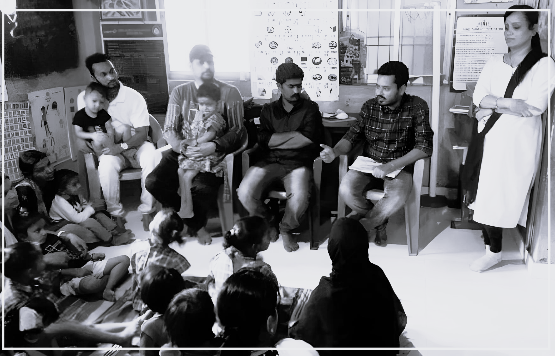
Having worked with the IDD community for nearly six years, I view it as a multifaceted community development endeavor. Our community comprises both individuals with IDD and those without. As we engage with the IDD community, we simultaneously interact with the non-IDD community.
Understanding IDD
Every community has fundamental needs for a good life and well-being, encompassing education, health (both physical and mental), livelihood, and dignity. The IDD community shares these needs. However, meeting them is often more complex because the broader ecosystem is predominantly shaped by the non-IDD community. In IDD community development, our focus is on rehabilitation. Individuals with IDD are more sensitive in aspects such as health, education, livelihood, and dignity.
Integrated Community Approach
Since the IDD community is not separate from the non-IDD community, collaboration is essential. This adds complexity to our efforts as we strive to create an ecosystem that accommodates their specific conditions, understand these conditions deeply, and foster understanding among non-IDD individuals. We implement health interventions tailored to their needs and develop educational and livelihood opportunities accordingly.
Holistic Rehabilitation
To achieve holistic rehabilitation, we address every aspect of their needs, including therapy, health (mental and physical), education, vocational training, and creating livelihood opportunities. Thus, from my viewpoint, this represents a highly complex form of community development work.

 iVolunteer Blog - everything about volunteering