

As I sat under the vast expanse of stars, with the moon casting its ethereal glow over the shimmering white Rann of Kutch, I couldn’t help but feel a sense of tranquility wash over me. It was in this tranquil moment, amidst the stillness of the desert night, that I found myself reflecting on the observations gathered during my wanderings through this culturally rich region.
In the expansive landscape of India’s western state of Gujarat, nestled between the Gulf of Kutch and the Great Rann of Kutch, lies a region steeped in history, culture, and unparalleled beauty. Kutch is a land of contrasts, where barren deserts meet shimmering salt marshes, and centuries-old traditions thrive amidst the arid terrain.
Kutch: A Tapestry of Diversity
With a history dating back thousands of years, Kutch is a melting pot of cultures, traditions, and identities. Over the centuries, this land has been shaped by waves of migration, from the ancient Harappan civilization to the nomadic tribes that still roam its vast expanses. Each wave of settlers has left its mark on the cultural landscape of Kutch, resulting in a rich tapestry of diversity that is truly unique.
Embroidery: A Stitch in Time

Embroidery, a craft deeply ingrained in the cultural tapestry of Kutch, serves as a testament to the artistic prowess of its artisans. From the intricate stitches of Ahir embroidery to the bold motifs of Rabari embroidery, each style reflects the unique identity of the communities that call this region home. The vibrant colors and intricate patterns of Kutchi embroidery have captivated hearts around the world, drawing attention to the skill and dedication of its creators.
As I sauntered through the lively markets of Kutch, my eyes caught sight of something unexpected: Sindhi embroidery gracing the humble grocery bags! Talk about a fashionable fusion of tradition and practicality! I couldn’t help but chuckle at the juxtaposition—here were these exquisite stitches adorning the most mundane of items. Suddenly, a thought crossed my mind: imagine if that intricate embroidery found its way onto one of my shirts! It would be the epitome of grocery shopping chic! Who knew that a simple stroll through the market could spark such sartorial aspirations?
In addition to embroidery, block printing has flourished in Kutch, with artisans employing traditional techniques to adorn fabrics with mesmerizing designs. The rhythmic motion of skilled craftsmen carving wooden blocks echoed through the workshops, as they breathed life into intricate patterns that spoke of centuries-old traditions.
Reviving Heritage: NGOs as Guardians of Tradition
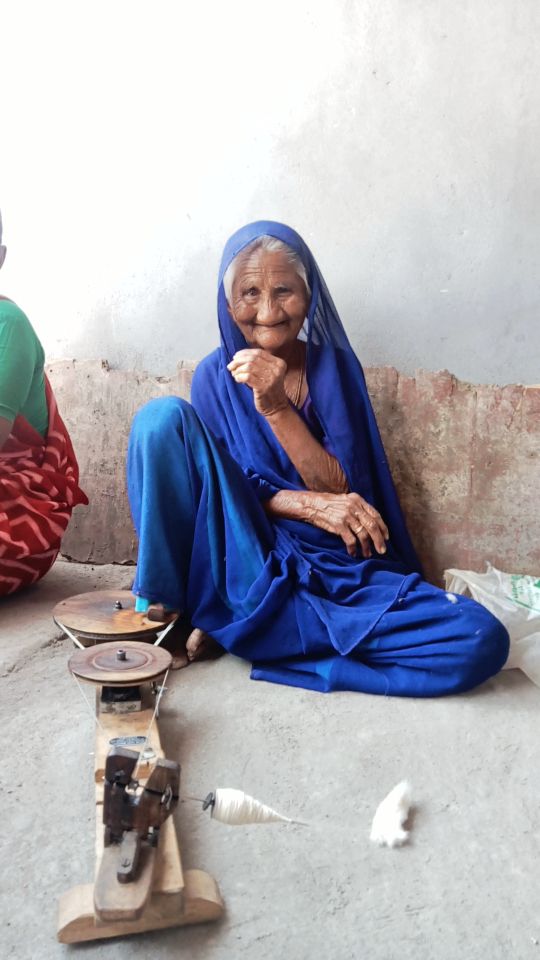
Amidst the desert landscape, NGOs in Kutch have emerged as guardians of tradition, working tirelessly to preserve and promote the region’s cultural heritage. These organizations have forged strong connections with local communities, working hand in hand towards the common goal of sustainable development.
Instead of imposing modern-day solutions, NGOs in Kutch have embraced the rich cultural heritage of the region, recognizing its intrinsic value in shaping livelihoods and fostering a sense of identity. Through initiatives such as the rejuvenation of indigenous cotton varieties like Kala Cotton and the promotion of eco-friendly farming practices, these organizations have not only sustained traditional crafts but have also empowered local artisans to thrive in a rapidly changing world.
The Power of Integration: Head, Heart, and Hand
At the heart of these efforts lies a philosophy that emphasizes the integration of head, heart, and hand. NGOs in Kutch are not merely agents of change; they are catalysts for holistic development, nurturing empathy, and fostering creativity within communities.
As I witnessed firsthand the collaborative efforts of NGOs and artisans in Kutch, I couldn’t help but be inspired by the profound impact of their work. By engaging the intellect, nurturing empathy, and fostering creativity, these organizations are not just transforming livelihoods; they are sowing the seeds of peace and prosperity in the arid lands of Kutch.
In conclusion, Kutch stands as a testament to the resilience of human creativity and the enduring power of cultural heritage. As we navigate an increasingly interconnected world, let us heed the lessons of Kutch and strive to cherish and preserve the rich tapestry of traditions that bind us together. For it is through this connection to our past that we can chart a path towards a more harmonious future, where the threads of tradition continue to weave their timeless beauty into the fabric of our lives
 iVolunteer Blog - everything about volunteering