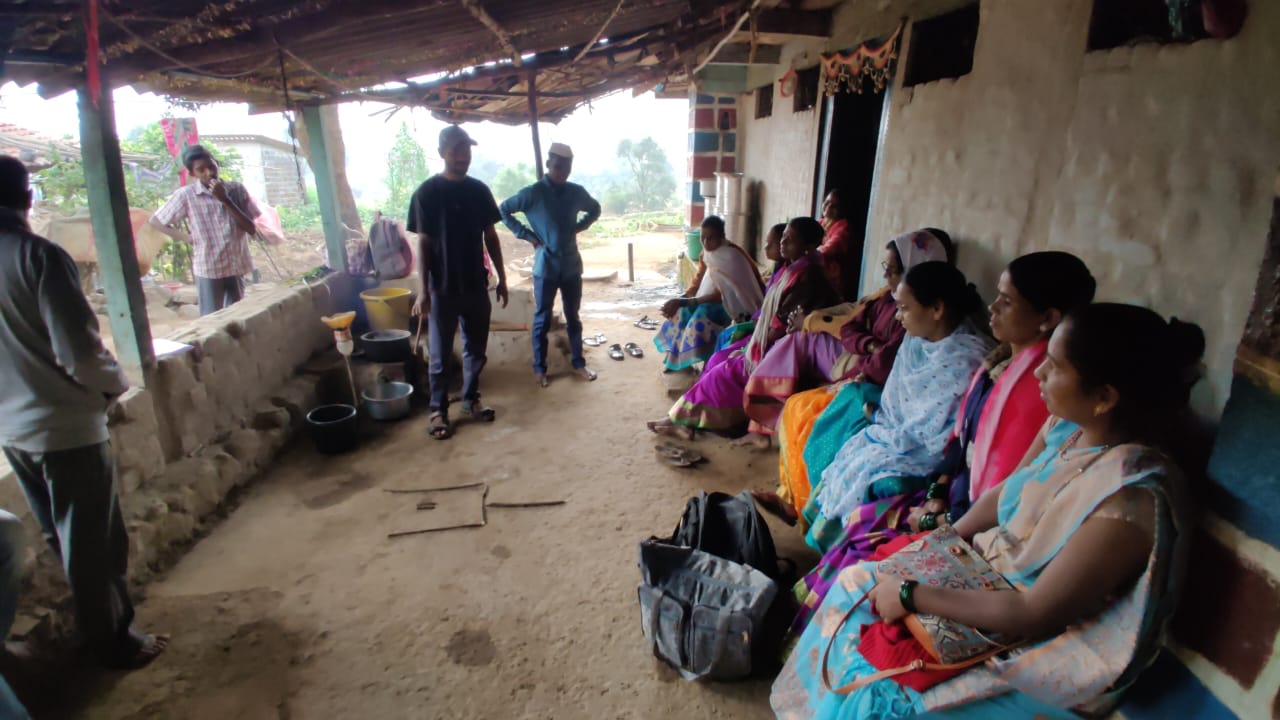
When I first embarked on my journey to work on rural tourism in the tribal village of Chambharshet, I was met with an entirely new concept, not just for me, but for the entire community. It was a challenging task to not only understand the intricacies myself but also to convey its essence to the people I was working with. Hence in the initial stages, I started to research what rural tourism is. I used online materials and videos. I tried to introduce the concept of rural tourism to the community with the help of discussions with the community using group discussion methods and visual aids showing them videos about some rural tourism projects available on YouTube. Some grasped the concept quickly, while others struggled to understand beyond the idea of simply preparing food for visitors and allowing them to stay in their homes. They needed to understand that their identity, lifestyle, and culture were valuable resources for generating livelihoods through rural tourism. And with the help of these resources they can build a business and live their own identity with pride.
To help the community grasp the importance of their unique way of life, we organized an exposure visit to villages where rural tourism was already thriving. Two projects, Parashar Agro Tourism and Purushwadi Eco Village by Grassroute Journeys, were selected for their unique approaches and specialties. The specialty of the Purushwadi is that the project here is community based and all the on-ground operations are carried out by villagers. Parashar is totally a private business run by its owner and employed staff. But it is a very planned and structured place with esthetical arrangements. So we chose to go for both types of exposures.
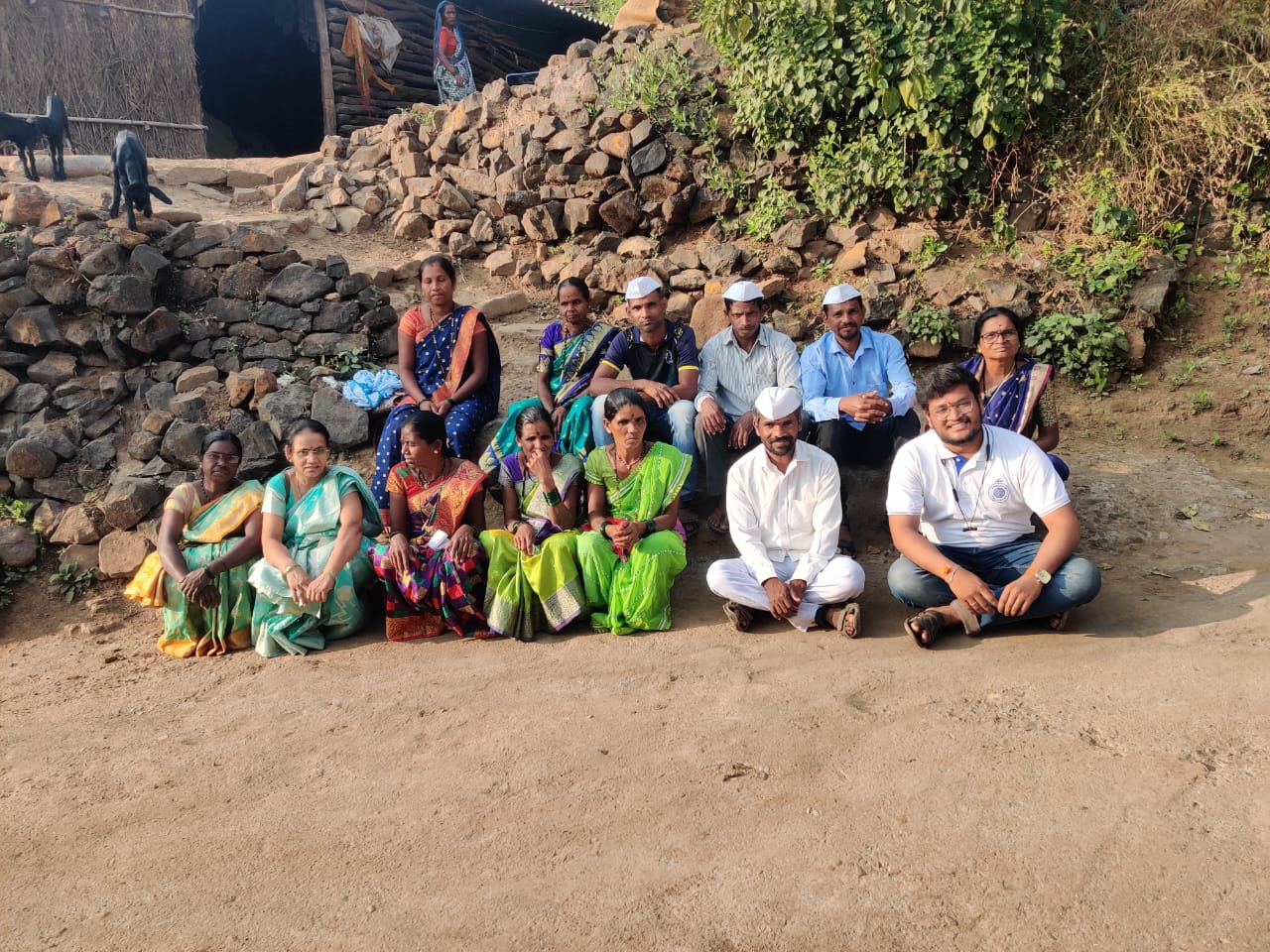
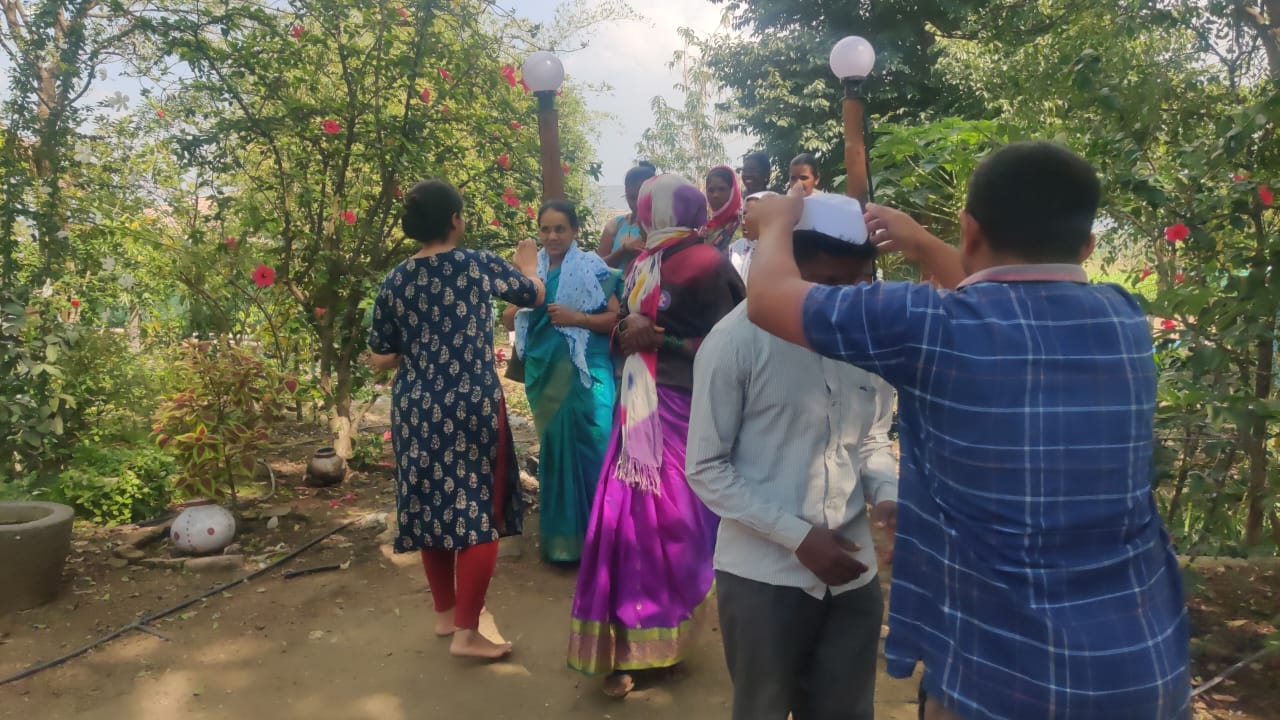
Our first stop was Purushwadi, nestled in the mountains of Sanhyadri, about 90 kilometers from Jawhar. The village welcomed us with breathtaking natural beauty, surrounded by tall peaks of the Western Ghats. This village is located in the area of Bhandardara, which is known for having the highest peaks of the Sanhyadri mountain ranges. Our guide, Datta bhaiyya, traditionally greeted us, performing an Arti and honoring us by gifting each of us a traditional Gandhi cap, which was the symbol of unity at the time of India’s freedom struggle. During our stay, we experienced various farm and village activities. Our guide showed and informed us about how they give information and instructions about these activities to the guests who come from the cities. As he was showing the traditional instruments and names of plants our team was getting bored. They were thinking that we knew this already and they were not finding it important. But they saw a group of people from the city who came to visit the Purushwadi and at the same time were enjoying all these activities they understood how interesting it can become for people who are new to this lifestyle. We stayed in different households and had different kinds of experiences. We enjoyed a bonfire at night after dinner. We also went for the sunset trek listening to the stories about the history of the village and the god goddess. We also enjoyed the food of the village. Some of us were satisfied with the taste and some were having critical remarks over cleanliness and the way of making. We also heard the stories of leopards coming to the village and attacking goats which frightened some of us. Datta bhaiyya also taught us how to stand a tent as they also arranged the tents for the guests. The next day morning a young boy Gorakh shared his knowledge of bamboo artifact-making and how our team can make similar products that would provide additional benefit in their project of rural tourism. Some of us also learned about their financial management practices and how they charge distribute their profits to service provider co-villagers. This visit was a profound learning experience, inspiring our community to implement similar strategies in their project.
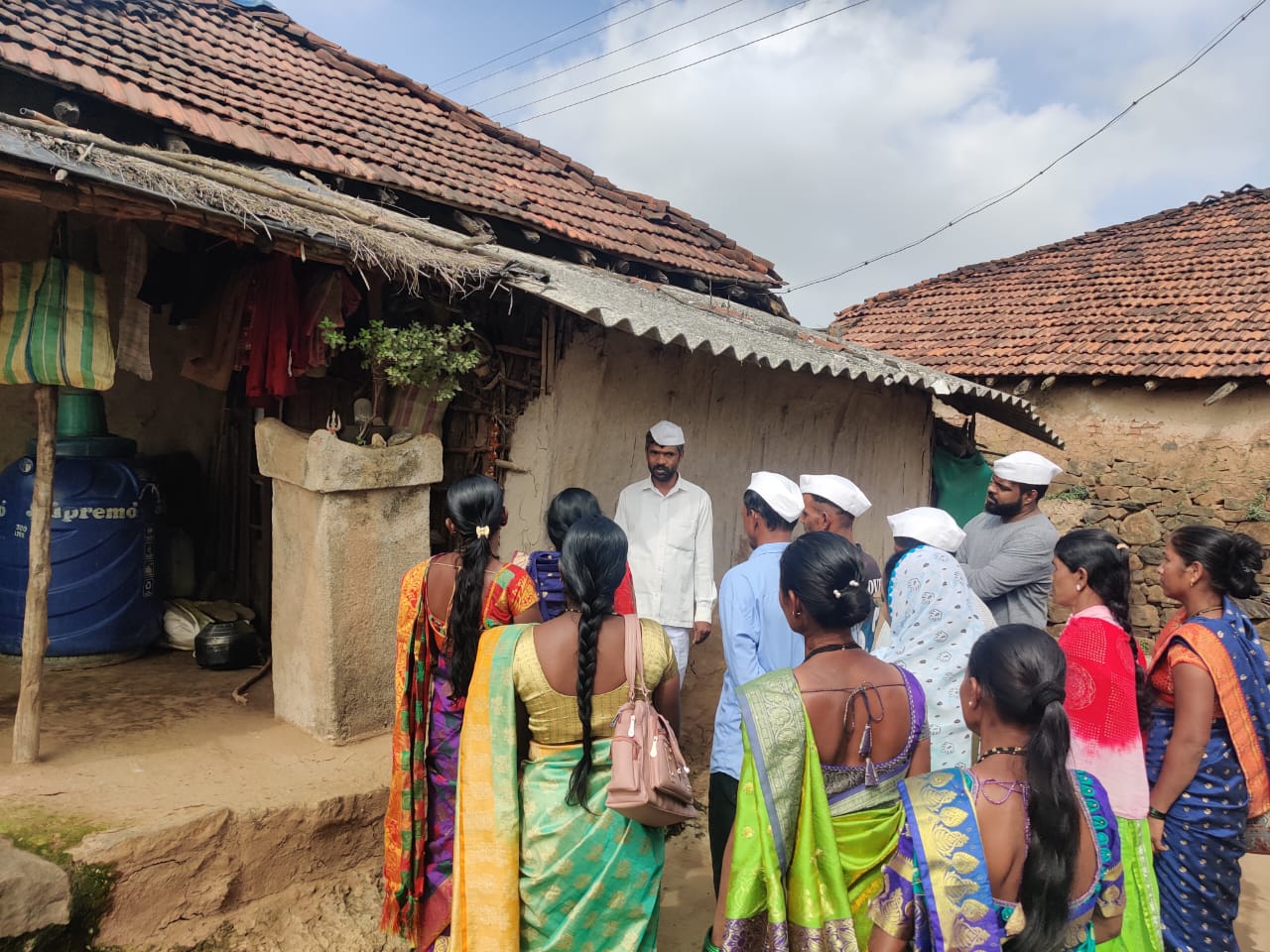
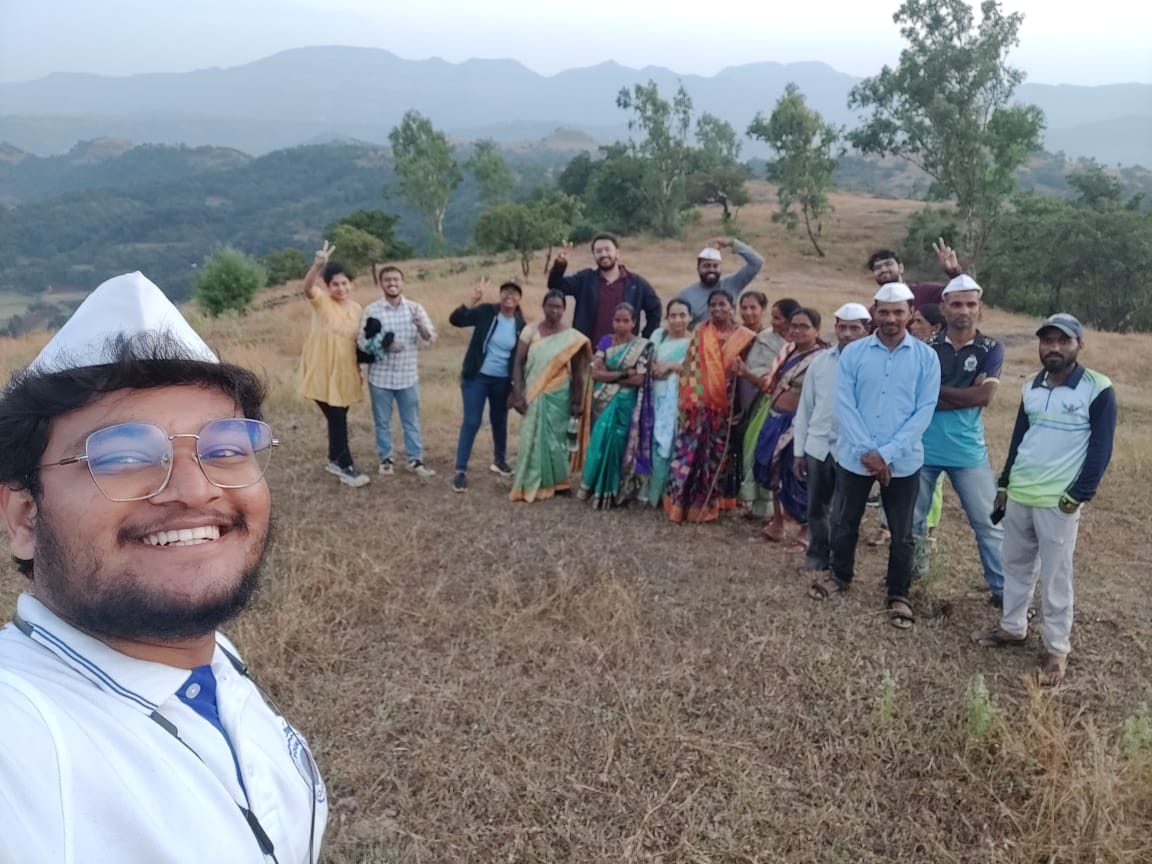
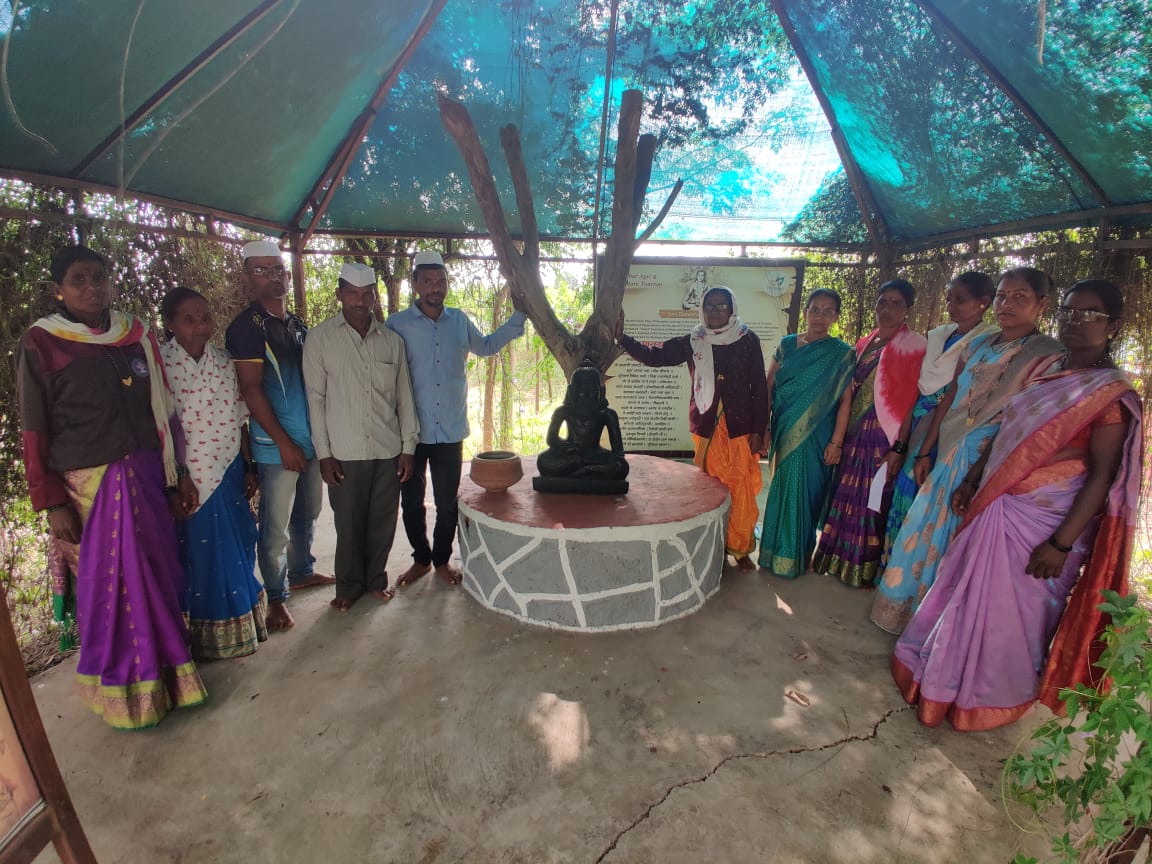
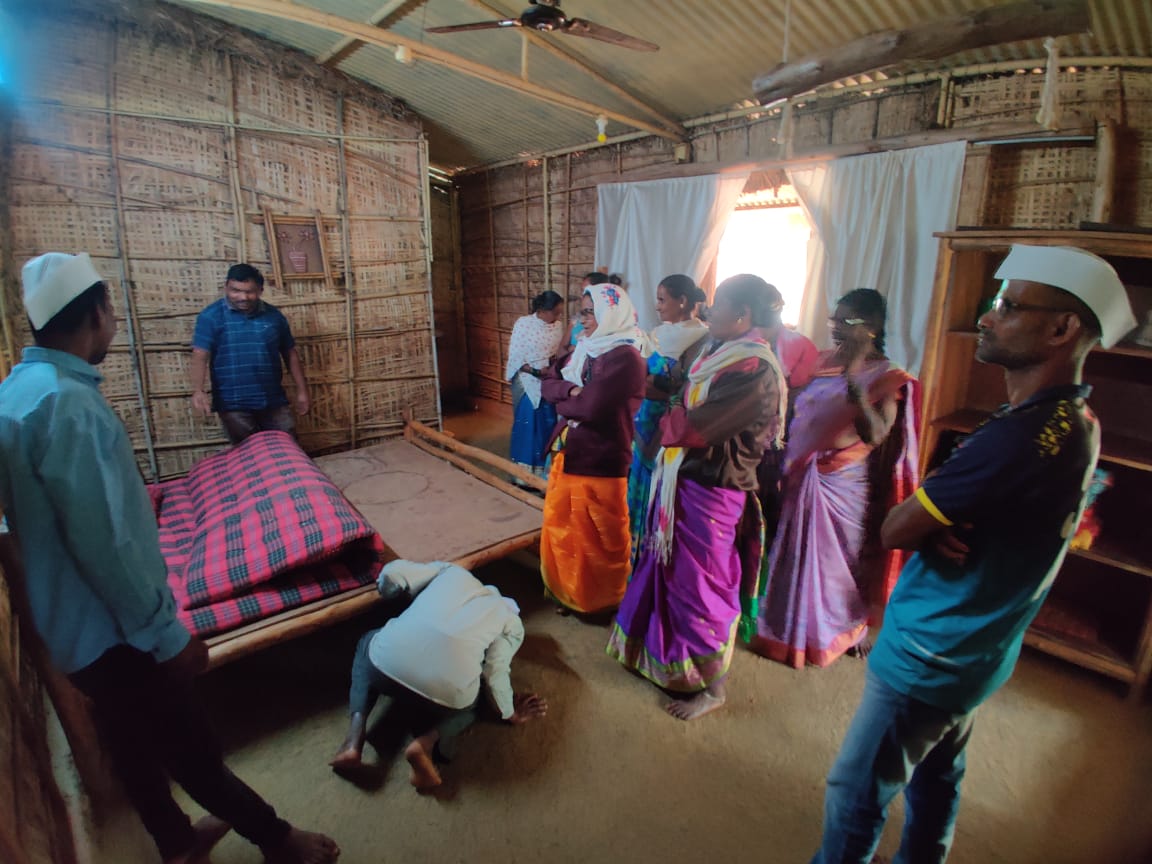
Next, we visited Parashar Agri & Culture Tourism in Rajouri village near Pune, run by Manoj Hadawle. This private project featured a hut-like accommodation with eight rooms, each furnished with wooden or bamboo equipment. The project maintained the rawness of the rural lifestyle while offering modern amenities. The collaboration with local farmers allowed guests to witness various farming activities, including goat, poultry, and cattle farming. The community of Chambharshet appreciated the traditional local cuisine made with the unique taste of local spices. They also liked the wooden equipment, as well as the small museum showcasing traditional artifacts and instruments. They also liked the idea of showcasing the original traditional seed of various grains that are not known to the people. Engaging in discussions with Manoj and his staff further fueled their ideas for their own project.
In conclusion, this exposure visit made the concept and idea behind the project of rural tourism we are doing much clearer. This was totally a new thing for them. They never heard about such a thing called rural tourism. They only had been to some famous pilgrim places as tourists but this was a new learning for them that people may come to their own village as tourists to enjoy what they have in their daily lifestyle, way of living, way of farming, daily activities and their rich culture. This was something which they were unaware of. Through these activities, they came to know about its richness and importance. When we came back from the visit it was very comforting to see their enthusiasm about what they have and ideas about how they will present what they have. The trip instilled a newfound confidence in the community, empowering them to proudly showcase their cultural and social identity to the world. This confidence that what we are, our cultural, and social identity is very rich in uniqueness and we can proudly sell it to the so-called mainstream world was giving contentment about whatever we did in the past. The trust that they are not only takers but also can be givers is very important. This journey marked a significant step towards their journey of self-discovery and economic empowerment through rural tourism.
 iVolunteer Blog - everything about volunteering