Embarking on a journey of discovery and transformation, I found myself allocated to Barbil, Odisha for the fellowship program, with no presumptions or reality checks. I wished to go there, all ready to live a completely different new experience for the next two years.
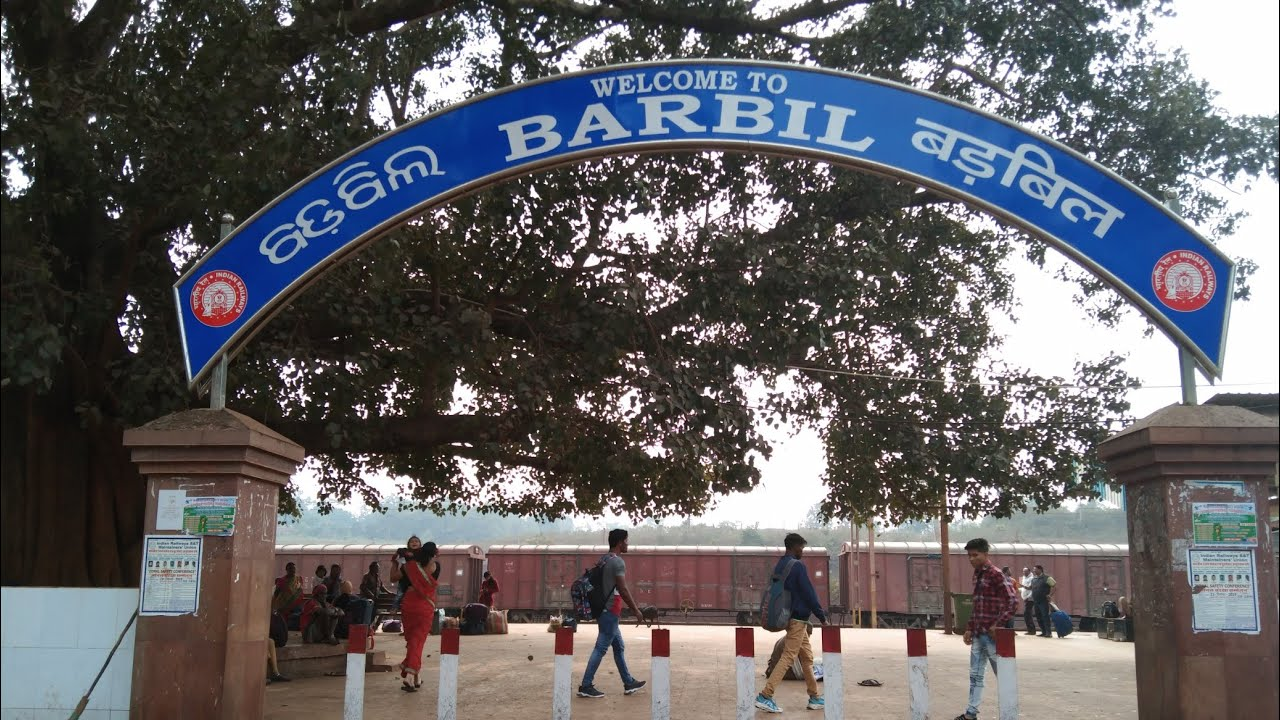
Although scared in an unfamiliar place with no knowledge of the language or people, the excitement outweighed the fear. The journey began with a long two-day train trip from Mumbai and a bumpy 10-hour taxi ride to the final destination, Barbil, through a partially dense forest. Few scattered Kuccha houses and people en route led to mixed thoughts. Finally, reaching a safe, comfortable room inside the JSW colony brought happiness.
The next day dawned with a sense of anticipation as we prepared to meet with our CSR team. The office’s convenient location, within walking distance from our residential area, filled us with excitement as we observed the bustling activity of uniformed personnel and office vehicles. As we gathered in the conference room, the CSR team warmly welcomed us and proceeded to provide an insightful overview through a comprehensive presentation, which was followed by an engaging field visit.
During the course of the day, I found myself gradually becoming aware of the complex and often sobering realities of the mining sector in the region. While the numerous commendable initiatives undertaken by the CSR team initially evoked admiration and appreciation, I couldn’t help but acknowledge the emergence of an underlying sense of unease. It was as if a dark veil was slowly descending upon my perception, revealing the intricate web of challenges and implications associated with the industry.
Indeed, the proverbial expression “Every coin has two sides” resonated deeply with me as I reflected on the day’s experiences. Despite the positive aspects that were prominently showcased, I couldn’t shake the awareness that there was an uncharted territory yet to be unveiled. As the day drew to a close, I found myself mulling over the multifaceted nature of corporate social responsibility and the inherent complexities it entailed. Our evening concluded with a visit to a breathtakingly beautiful river nearby, offering a serene juxtaposition to the thought-provoking day we had encountered.
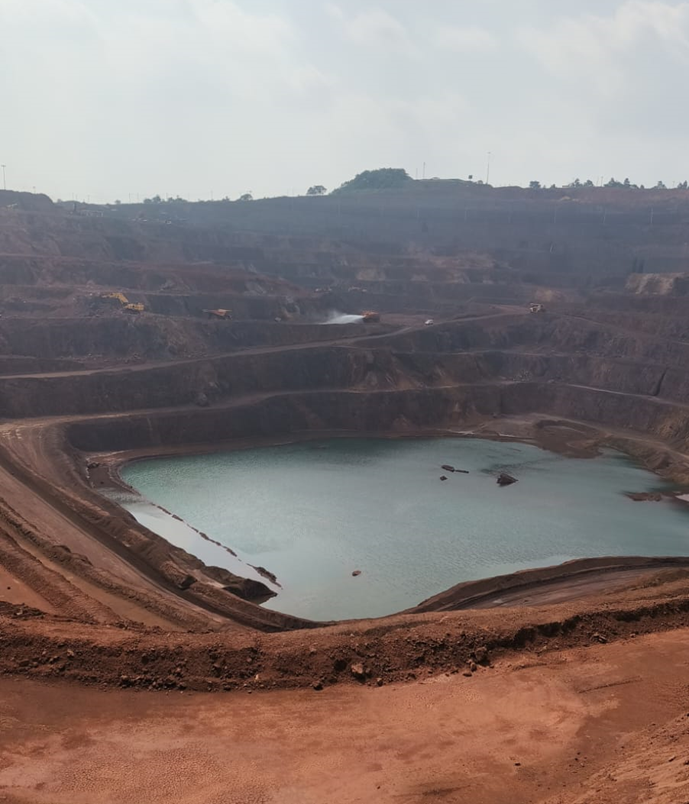
The day when we went to the real “Barbil” was a significant turning point for us. As we ventured just a few kilometers from the residential area, the landscape underwent a striking transformation. The once familiar surroundings gave way to a pervasive red hue, with the fine red dust blanketing everything in sight. The buildings, previously mundane in appearance, now sported a striking red tint, while vehicles trundled along, coated in the telltale red dust. Even the lush green trees seemed to have traded their verdant leaves for a crimson hue, and the very roads we traversed exuded a reddish tint. It was at this moment that the reasoning behind the locals’ attire—comprising shoes, scarves, and coats—became abundantly clear.
As we made our way to National Highway 520, a startling revelation awaited me. The predominant sight along the NH was that of towering trucks, a staggering 60% of the vehicular traffic, ferrying iron dust to various destinations for the subsequent stages of processing. The realization slowly dawned upon me that the ubiquitous red dust was indeed iron dust, an omnipresent feature across the area. Amidst this unexpected landscape, our team demonstrated admirable flexibility and prudence, ensuring that we adapted to this dramatic shift. This journey eventually led us to India’s largest iron mine, a sight so breathtakingly beautiful that it seemed straight out of a cinematic masterpiece, reminiscent of a tranquil swimming pool nestled amidst the earth’s rugged tapestry.
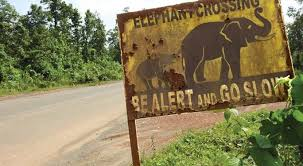
The specific warning signal boards indicating elephant movement areas along the roads we traveled sparked a conversation about the presence of elephants in the region. It was intriguing to learn that the mining activities had been developed along the traditional elephant migration paths, disrupting their natural movement. Consequently, the elephants adapted by seeking alternative routes, often passing through tribal residential and agricultural areas. This adaptation led to destruction of agricultural lands and posed a risk to the local residents, occasionally resulting in fatalities. Upon reflection, it becomes evident that the elephants cannot be solely blamed for the resulting disruptions and chaos in the area; rather, it is the interference of human activities that has led to these consequences.
The meeting with the people of Barbil, who have endured these challenges for years, provided a poignant insight into their perspective on the situation. Despite the ongoing hardships, they have come to accept this way of life as “normal” and have resigned themselves to the reality of the situation, indicating the profound impact of these conditions on the local community.
 iVolunteer Blog - everything about volunteering