Fishing is one of the significant economic activities of India having deep roots in the indigenous traditions and practices. Fisheries form the major source of employment, income and livelihood for most of the people inhabiting in the coastal region as we all know it is known as the ‘sunrise’ economy. Maharashtra State is endowed with a coastline of 720 km and the area suitable for marine fishing is 1.12 lakh sq. km. Maharashtra has 720 km. of coastline with a continental shelf area of 111512 sq. km and 5 coastal districts Thane, Raigad, Greater Mumbai, Ratnagiri, and Sindhudurg. A Maharashtra state rank 7th with around 5 % shares in the country’s fish production and is yet to explore its untapped potential completely. Fishing is a high risk of livelihood activity due to fugitive nature of the resources, the hostile environment of the seas, and the perishability of the product. It is the proximity to the sea which determines the fishing community’s access. The Oceanographic conditions, climate patterns and marine ecosystems impact fish populations and fishing practices. Seabed features, water quality, coastal development, fishing regulations and conflicts with other users also influence fishing grounds’ safety and sustainability.
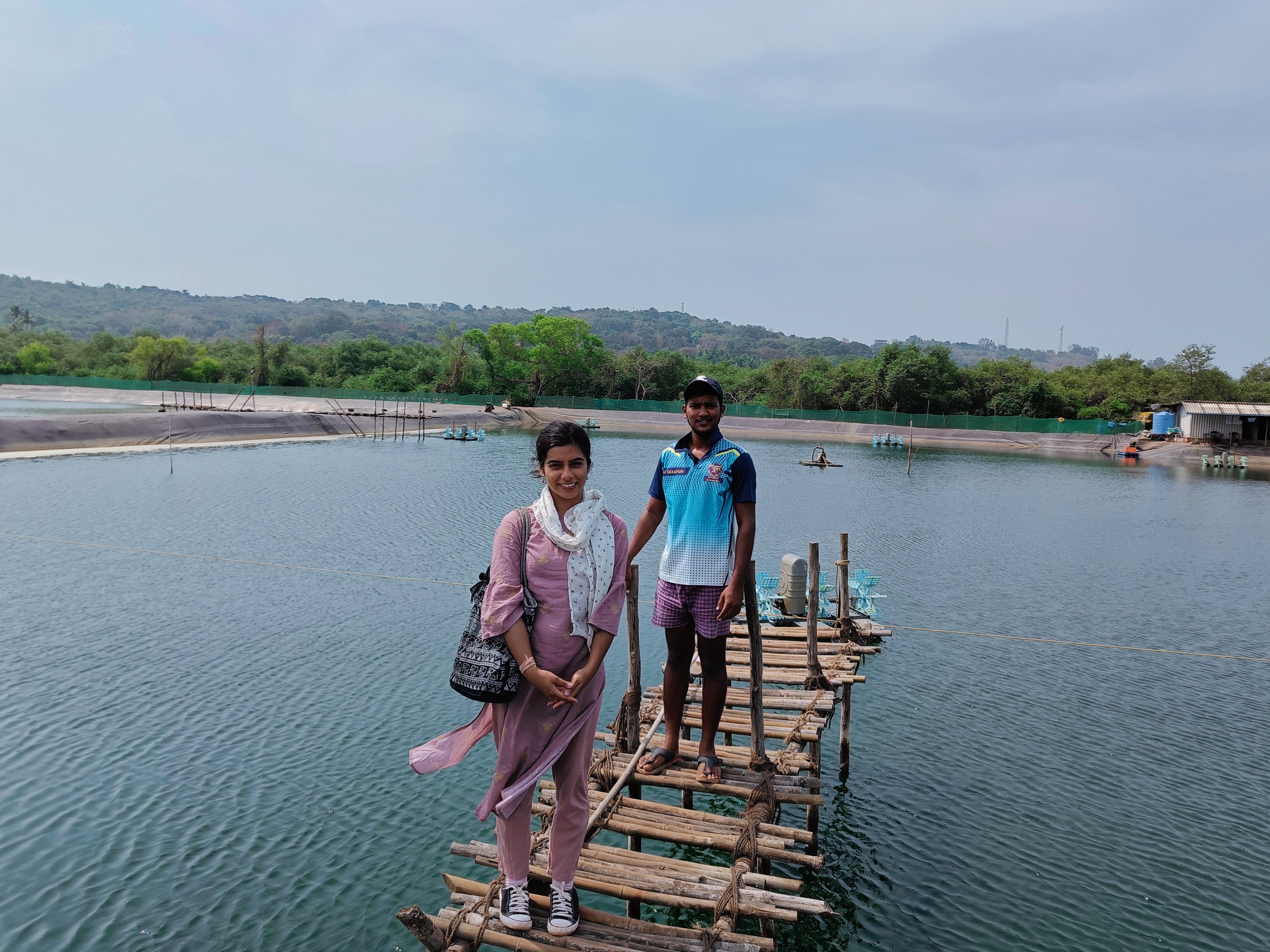
Fishing in Ratnagiri- Jaigad is largely deep sea fishing. Many fisherman are engaged into in deep sea fishing, while 10% creek fishing. Fishing season starts from August and ends in May. Large fish are found mainly during August-December; while small fish are found from December to May. Currently, fish species like Sciaenid (Ghol, Koth), Seer fish (Surmai,Towar ),Pomphrets(Saranga), Eels (Wam), Cat Fish (Shingada), Penaid Prawns (Kolambi),Thrissocles ( Kati), etc. are found along Jaigad Coast
Changing Livelihood and Relevant Issues of Fishermen Community
The key trends affecting the livelihoods of the poor in the coastal fishing communities in Orissa range across the whole spectrum of “assets” – i.e. the natural, physical, social, human and financial – and contribute to changes in terms of availability as well as access to the assets for the poorer stakeholders. Thus, the overall decline in availability of fish from the coastal waters is also accompanied by a declining access of the poor to the fish resources as a result of changes in fishing technology and in market supply chains. The shift in fishing methods from subsistence-based artisanal activities to sophisticated modern technologies has rendered redundant the traditional skills, knowledge and manual labour abilities of the poor, while also increasing risks and leading to a dependence upon external sources of credit. As fish are sold directly to the traders at the point of landing, fishermen no longer depend on the women to sell them, so the women find themselves marginalized.
Apart from the factors having a direct bearing upon fisheries-based livelihoods, there have also been changes affecting the quality of life generally, which contribute to, or arise out of, changes in the livelihood patterns and span across the social, political, cultural and economic spheres of life. “Social capital”, which is the glue that held together the traditional fishing communities and provided some sort of social security to the vulnerable groups (the aged, widows), has become much weakened.
Seasonality –
Fish catch the ups-downs in fish catches were usually found with changes in seasonality. Many fishermen while taking they have reported high impact of seasonality on the fish catches, whereas other respondents expressed medium and low impact, respectively. In the present conditions, the fish catches declining day by day due to number of reasons such as over-exploitation, uncontrolled illegal fishing operations, destructive fishing operation change in climate, pollution, etc. The respondents who expressed high impact of seasonality with respect to fish catch may be attributed to a decrease in fish catches.
A season between the months of July and October. This results in decline of fish catches which tend to be higher during the dry season when the volume of water is low. The confined that seasonal fluctuation negatively affect the quantity of fishes caught by the fishermen
The availability of market-
It is one of the important aspects of fisheries. The nearness and availability of potential consumers in the market significantly contribute to the fisheries sector. While taking with the fisherman in the market many fishermen they have responded that there is a high impact in the market of unavailability of fishes. As fish is a perishable commodity, the timely selling of fish is a pre-requisite. The respondents who have claimed high impact of the market might be lacking the appropriate fish market in their localities.
Changing Involvement and Perspectives of Young Generation Fishermen-
One of the serious causes of concern for senior fishermen is the withdrawal of youngsters from fishing activities. As traditional fishing is getting more vulnerable day by day, the younger generation does not want to remain in their traditional and historic occupation. Further, the young and middle-aged respondents informed, during the survey, that the younger generation is getting jobs either in Oil plants or onboard jobs in shipping, where they earn good and regular income. A number of young fishermen in Ratnagiri are now working in Gujarat and evening Vishakhapatnam with salaries of around Rs. 25,000. These jobs do not require very high education. So, this is also another reason and challenge.
The livelihood of fishermen in is on the edge of a drastic change. The above-mentioned aspects clearly reveals that the livelihood of fishermen is endangered due to the policy frameworks that have been introduced in last two decades. Livelihood issues of the fishermen in Ratnagiri coastal city are more severe. The seawater pollution due to regular oil spills and hazardous industrial effluents, a great depletion of fish resources due to an aggression of the ‘ large Indian and MNC trawlers,the dynamics other factors, have already killed the livelihood of traditional fishermen in the areas of Colaba, Worli, Versova, etc.
 iVolunteer Blog - everything about volunteering