Rural immersion fellowships can seem daunting, especially to those who have not experienced rural life. But they are a unique experience that can broaden your horizons because of the change in scenery and culture. Therefore, to make this transition more comfortable, I have listed out 5 non-work related challenges that a fellow might face when moving to a rural location.
1. Waiting for the auto!
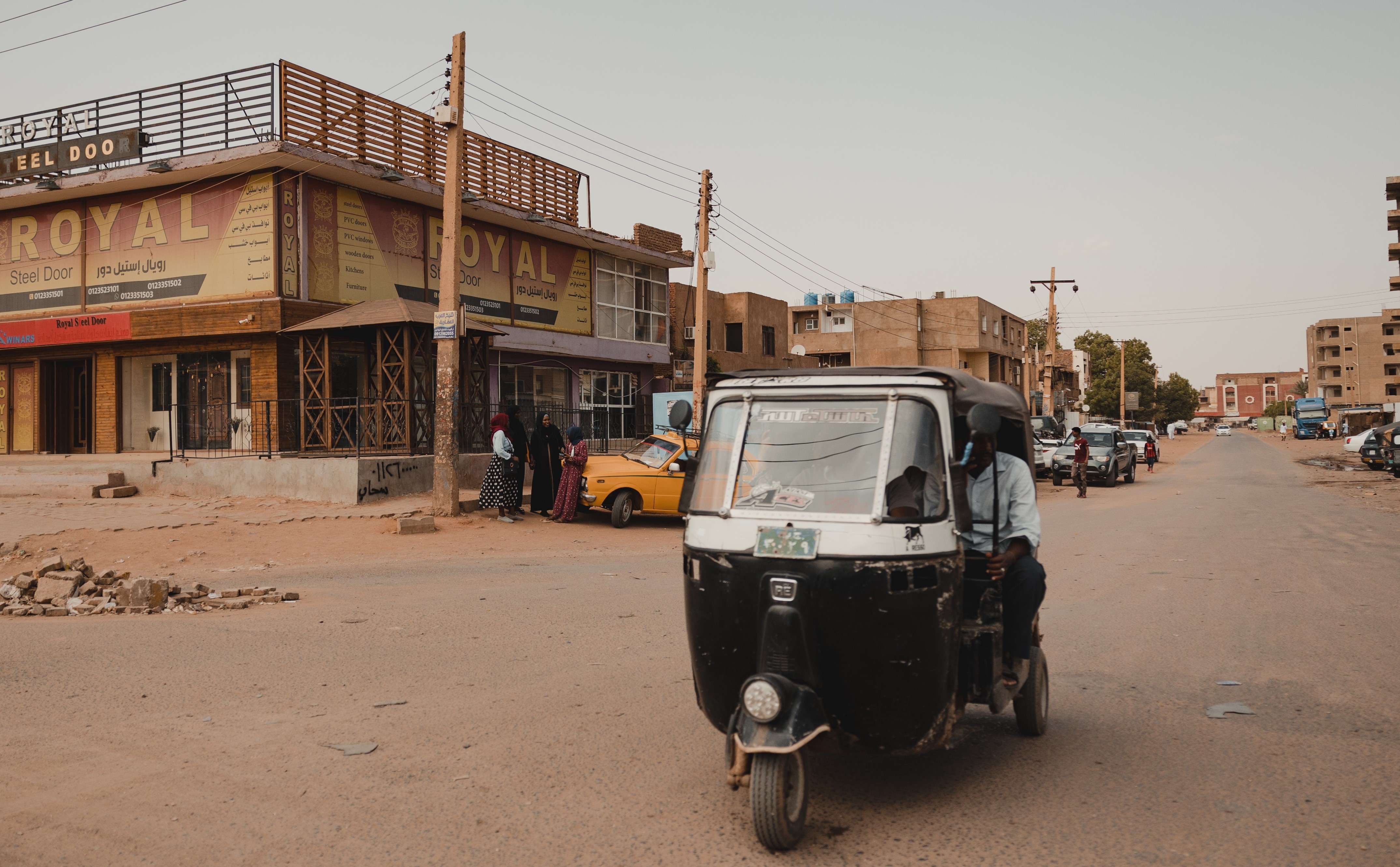
Once a fellow reaches their location, one of the first questions that comes to their mind is- how do I travel daily? Even if there is someone to guide you, you will have to figure out what works for you on your own. Most of the rural locations do have government buses running every 30 mins or every 1 hour or so, but will they take you to the insides where you want to reach? It’s difficult to say. However, it is very much possible that there are no adequate autos or bus facilities in the rural location you’re assigned to. You will have to manage with whatever you get.
In my location (Toranagallu, Karnataka), while there are government buses, thankfully, we also have autos- mostly owing it to being an industrial area. However, they have a fixed route, and if you want to travel to a place that is not travelled-to frequently, you will have to wait for the auto- this could be for 5 mins, 15 mins, 30 mins or depending on your luck, even more. Unless you are willing to pay an absurd amount of money to hire a private auto!
If you want to go into the interiors of a village, no buses or autos will take you there, you will often have to rely on your good ol’ legs. But the most convenient option of all, is to have your own 2 wheeler. Otherwise, you will have to adjust to the available means, immersing yourself completely to the rural experience.
2. When will the electricity come back?
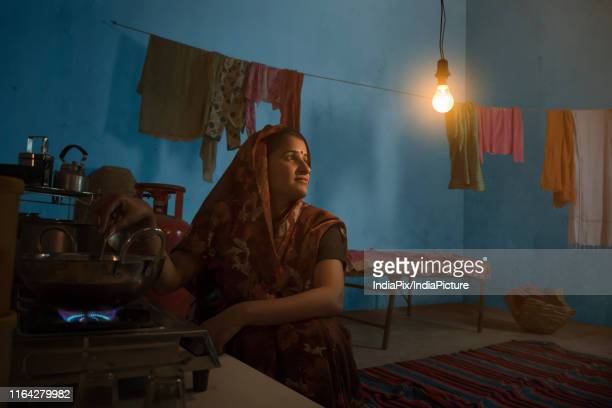
According to a World Bank report (Tracking SDG 7: The Energy Progress Report), access to electricity among India’s rural population stood at 98.5% in 2020 . While this is good news, the reality is much different. Rural areas continue to face power outages and load shedding regularly.
While me and a co-fellow were living in a village (before shifting to a JSW township), we were frustrated due to the frequent power cuts. Since we depended on electricity for a lot of things- lighting, fan, water heating coil for bathing, induction stove for cooking, charging phones/laptops,etc- our whole routine would just freeze as soon as the power went off. So scheduling our routines by taking into consideration these power cuts was a daily challenge.
While this might not be the case in every rural area, if this happens at your location, you just have to adjust to the lifestyle and figure out how to minimise the effect of power outages on your work and life. Your neighbours will be the best guide!
3. Where does my meal come from?
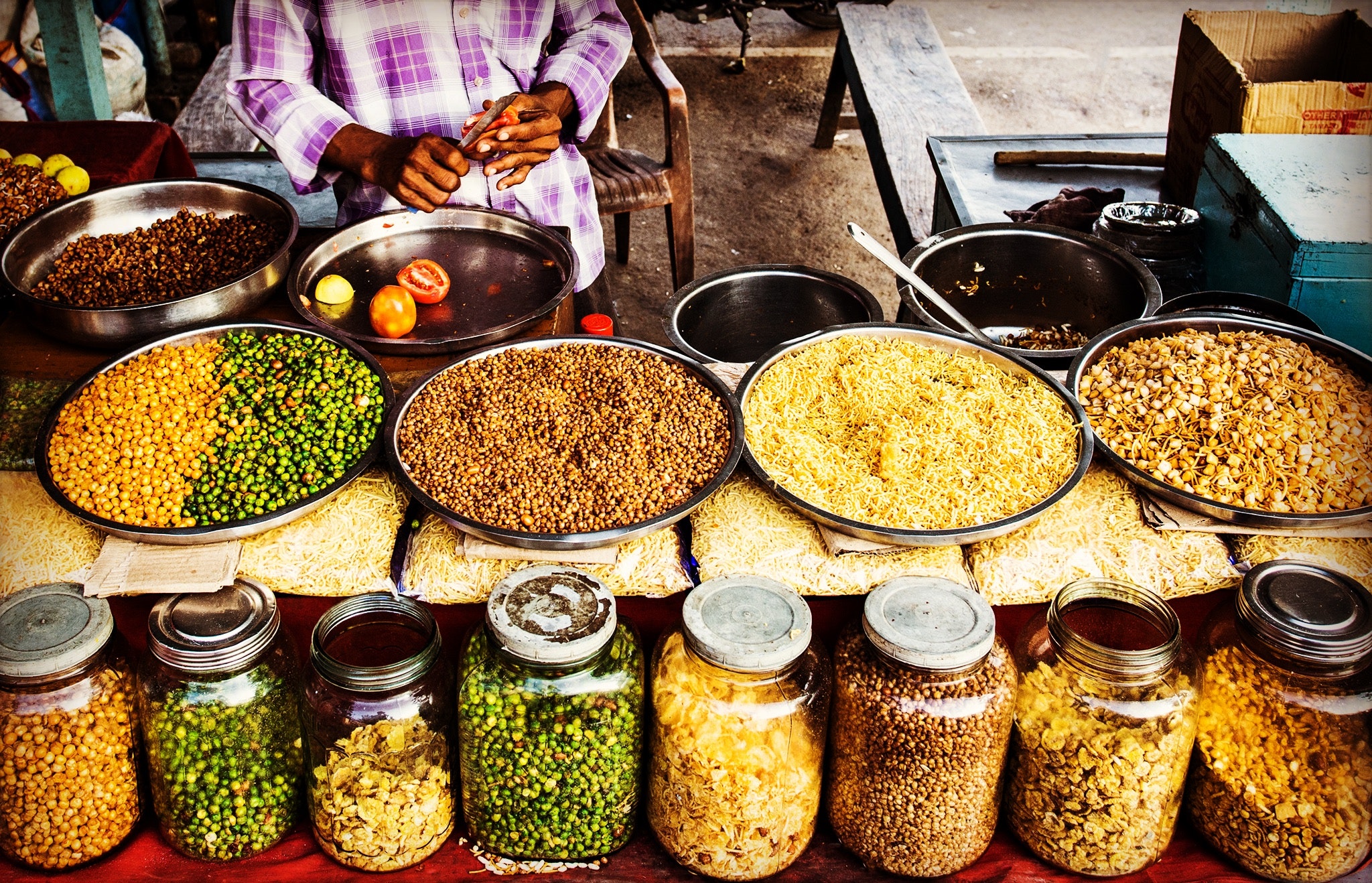
Healthy, nutritious meals can be an easy thing to overlook before going off to the rural location or even during the time there. It is only after you realise that there aren’t many hotels, messes, canteens, etc in your village (if not any!) that you know how much you took food for granted. But since food is available wherever people live, you just have to figure out where your food will come from.
If there is any small or big food establishment, then that is the best option- especially if they cook fresh and healthy food. If not, maybe you can talk to your community or a specific family and ask if they can prepare meals for you in exchange for payment. This is even better since home-cooked food is the best! If no such arrangement can be made, your only option will be to cook meals yourself.
While I was not completely unfamiliar with cooking, I had never cooked on a daily basis before, but this was the best opportunity for me to learn! While I can’t say I’m an expert now, I can cook decently enough for myself to maintain a healthy lifestyle. You can ask your neighbours or acquaintances where you’ll get fresh groceries or other cooking supplies, they’ll be eager to help you out!

4. Making friends!
Fellowships can be isolating, you must be expecting this. But it is not as unbearable or sad as it seems. It’s true that you’ll now have to be in a ‘long-distance’ with your friends and family, but that doesn’t mean you’ll have no friends where you’re living.
While there may not be as many people of the same age group or with similar “vibes” as you to make friends, you’ll learn that friends can come in all ages and vibes. Your community becomes your closest friend here. You’ll understand their backgrounds, their stories, their daily problems, their likes and dislikes, and you’ll realise that it is not isolating at all- you’ve made even more friends! But you’ll have to open up to people and open up to making friends with people you wouldn’t have before, keeping your heart open to new friendships.
5. Fun free time!
Once you settle into the rural location and start living there, you’ll realise that there isn’t much to do for fun outside. Except for festivals and cultural fests, there isn’t much of a “happening” scene like that in an urban area. You’ll be bored easily if you’re expecting the citylife kinda fun in a rural area.
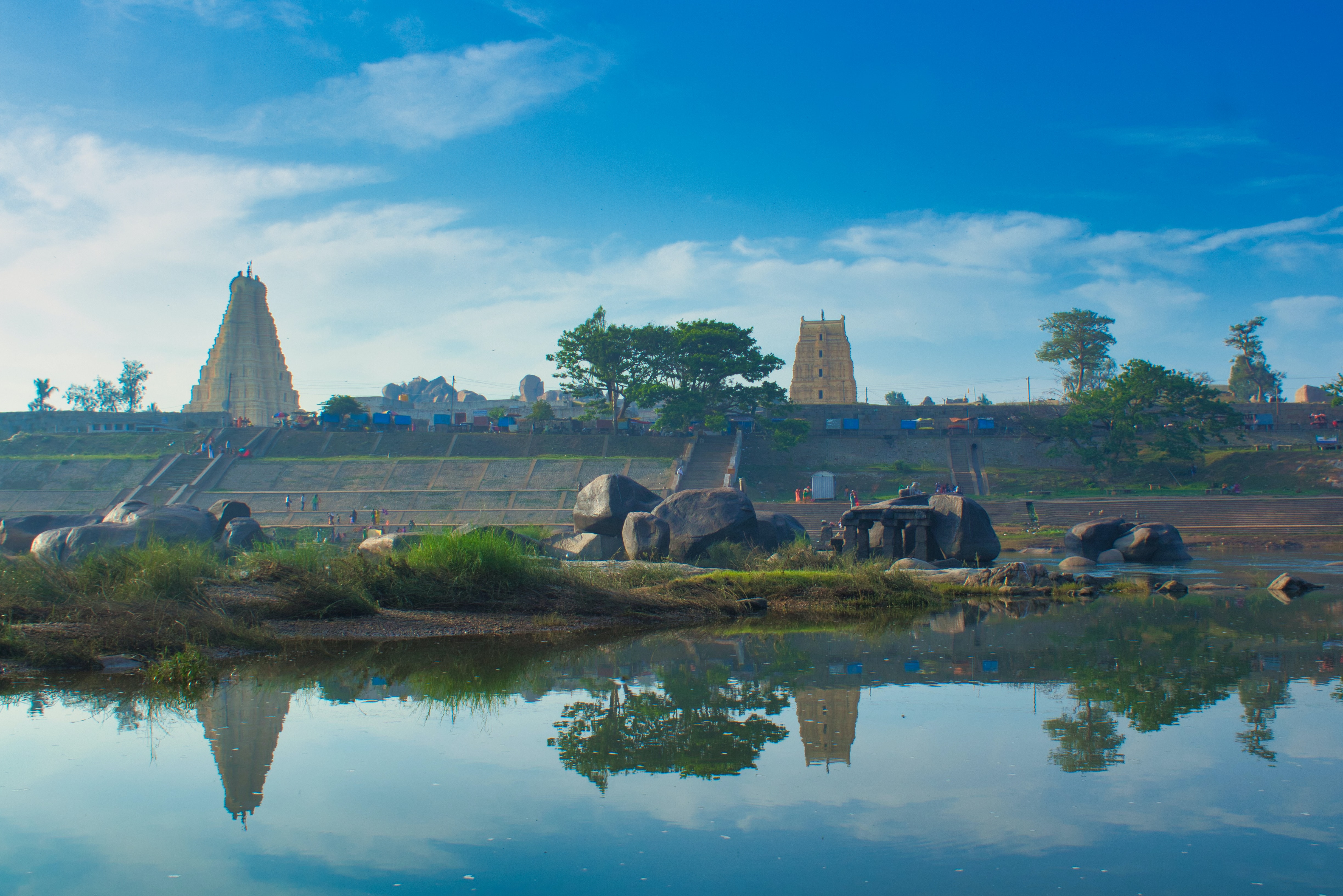
However, fun can be had anywhere, anytime, if you know how to. You can find out if there are any popular places to visit nearby, it could be places of worship, historic sites, dams, hills, beaches or anything else. My project location is very close to the historical site of Hampi (image above), just an hour or two away by bus, so I always had a place to take my family or friends to if they were visiting me. You can also go to a nearby city and enjoy the city-life for a while. If you’re new to the state, or to the region, you can explore it thoroughly during your time there. If you’re a homebody, then there are plenty of fun things to do online! You can even join the locals in their local games or gather around children to play with them. Whether it’s a city or a village, you can have fun if you can keep your eyes open.
While your time in the rural area can be challenging, it can also be a gratifying experience. Keeping your heart and mind open to the new environment and people will definitely help you make the most of your time there! Good luck!
 iVolunteer Blog - everything about volunteering