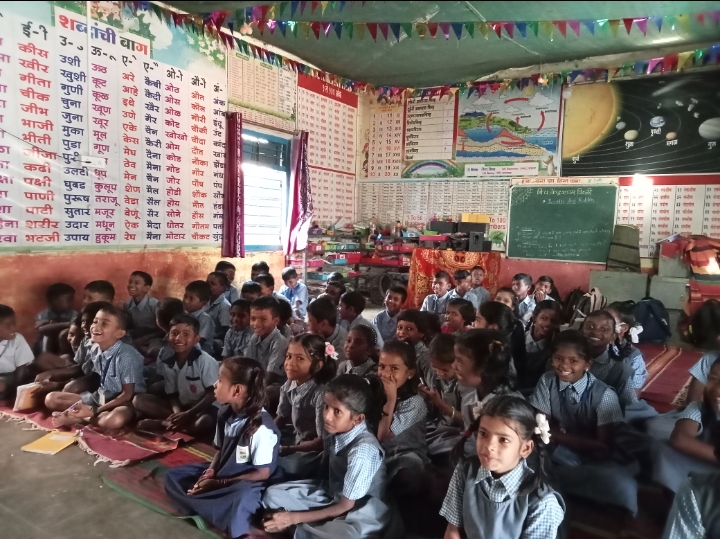
Education is the cornerstone of progress and empowerment, providing individuals with the necessary tools to lead fulfilling lives. However, in many parts of India, the reality is starkly different. During my visits to tribal schools in India, I have encountered numerous instances where students struggle to read even basic texts and exhibit hesitation when asked to read aloud. One particular incident left a profound impact on me, leading me to reflect on the urgent need for Functional Literacy Networks (FLN) in India. On a visit to a tribal school, I witnessed the principal’s concern as she revealed that a significant number of students in classes 10 and 12 had failed in language subjects. Her words struck me like lightning. How could this be? Language is the foundation of communication and understanding. If students were failing in language, it meant they were struggling to express themselves effectively, to comprehend the world around them, and to reach their full potential. This alarming situation aligns with the disheartening statistics shown in ASER (Annual Survey of Education Report)survey that indicate only 20% of grade 3 children in India can read texts at a grade 2 level.Understanding the ChallengeThe struggle faced by students in tribal schools is reflective of a larger issue prevalent across the country.India’s education system grapples with the persistent challenge of ensuring that children acquire foundational literacy skills, which are crucial for their overall academic and personal development. When students lack basic reading and comprehension abilities, it hampers their progress in other subjects and limits their future opportunities.The Significance of Functional Literacy Networks (FLN)Bridging the Literacy Gap: FLNs serve as a transformative approach to address the root causes of illiteracy. By focusing on foundational literacy skills, such as reading fluency, comprehension, and critical thinking, these networks aim to bridge the literacy gap and empower students to become proficient readers.Targeted Interventions: FLNs adopt personalized teaching methods and strategies to cater to the unique learning needs of each student. Through assessments and diagnostics, educators can identify specific challenges and design interventions that address them effectively. This individualized approach helps students overcome their reading difficulties and builds their confidence.Holistic Development: Functional literacy goes beyond mere reading and writing skills; it encompasses critical thinking, problem-solving, and communication abilities. FLNs emphasize the holistic development of students, enabling them to become active participants in society and preparing them for the challenges of the modern world.Community Engagement: The involvement of parents, communities, and local organizations is crucial for the success of FLNs. Collaboration among stakeholders creates a supportive ecosystem where students receive the necessary guidance and encouragement both at school and at home. It fosters a sense of ownership and shared responsibility for children’s education.
 iVolunteer Blog - everything about volunteering